World bank funds $160 million water and climate resilience project in Chad
World Bank injects $160 million to strengthen water access and climate resilience in Chad
Chad is set to benefit from a major financial boost as the World Bank approves a $160 million grant to enhance water security and climate adaptation across its most vulnerable regions. This landmark initiative targets one million residents—with women making up over half the beneficiaries—focusing on provinces facing severe climate pressures and humanitarian challenges.
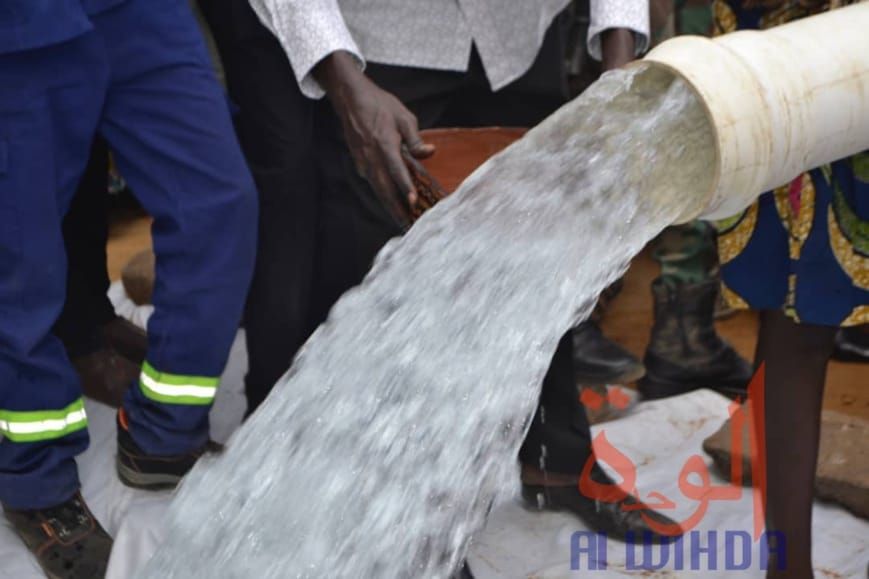
Transforming water security and climate challenges into opportunities
The initiative, known as the Water Security and Resilience Support Project for Chad (PASER), represents a strategic investment in stability for communities grappling with fragility, climate shocks, and forced displacement. By prioritizing climate-resilient infrastructure and essential services, the project aims to address the urgent needs of regions most susceptible to droughts, floods, and land degradation.
The project’s design emphasizes sustainable resource management, local capacity building, and improved living conditions. It integrates economic opportunities with environmental protection, helping to reduce social tensions exacerbated by water scarcity and natural resource competition.
Farouk Mollah Banna, the World Bank’s Resident Representative in Chad, highlighted the project’s role in restoring hope: “In a context where water scarcity and natural resource pressures fuel tensions between communities—and with over 1.3 million Sudanese refugees hosted in eastern Chad—this operation will restore access to water and foster long-term stability.” He added that the project targets key drivers of fragility, including regional disparities, limited economic opportunities, and conflicts over natural resources.
Fostering peace through development: A dual approach for refugees and host communities
The project’s funding structure includes $80 million from the Window for Host Communities and Refugees (WHR), underscoring its commitment to inclusive growth. It aligns with Chad’s national development vision, Chad Connexion 2030 – Programme 15, which seeks to shift from humanitarian aid toward integrated, resilience-focused development in displacement-affected areas.
Hawa Cissé Wagué, the World Bank’s Acting Country Director for Chad, emphasized the project’s broader impact: “By working closely with development partners, this initiative demonstrates how strategic investments can serve as peacebuilding tools in some of the world’s most fragile settings. It supports Chad’s journey toward greater resilience, stability, and social inclusion.”
The project will directly benefit nearly one million people, with over half from refugee and host communities. Women will comprise 50.6% of the beneficiaries, reflecting a strong focus on gender inclusion. Coverage spans refugee-hosting provinces, the capital N’Djamena, and other high-risk areas across the country.