Union african solidarity with Mali’s security challenges
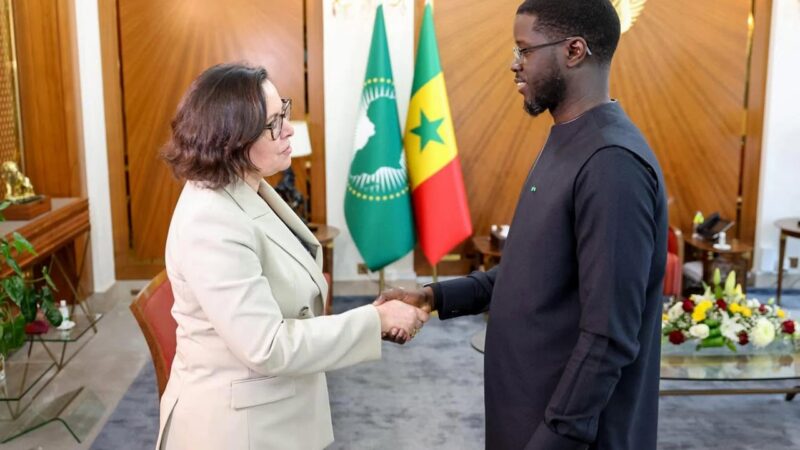
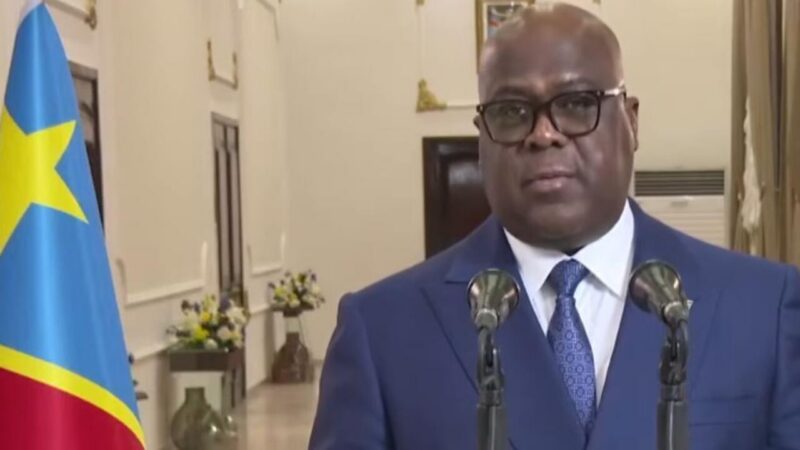
The President of the African Union Commission arrived in Bamako on Sunday, July 12, 2026, for an official visit aimed at deepening dialogue and cooperation between the continental body and Mali. Mahmoud Ali Youssouf reaffirmed the AU’s support for Malian authorities amid the country’s pressing security challenges. This backing comes despite Mali’s suspension from AU bodies since the 2021 coup, a measure imposed to restore constitutional order. Yet, the AU refuses to isolate Bamako, recognizing that Mali’s stability is vital for regional security.

Bridging words with action
Mahmoud Ali Youssouf’s visit underscores the AU’s full solidarity with Bamako in the face of escalating armed attacks. However, independent analyst and founder of Africa Jom Center, Alioune Tine, argues that the AU must move beyond symbolic support to tangible measures. “The AU Commission President must demonstrate solidarity more actively by rallying resource-rich nations to assist Mali and mobilizing African troops to bolster the fight against terrorism,” Tine emphasized. “That is precisely what Mali urgently needs.”
Constraints on AU intervention
Despite Mali’s authorities questioning the 2015 Algiers Accord, the AU continues to prioritize political dialogue and regional solutions. Yet, the rise of alliances between northern separatists and Islamist groups like JNIM has raised concerns. The AU rejects both the legitimacy and objectives of the JNIM-FLA coalition, viewing their offensive as a dangerous escalation.
Security analyst Aly Tounkara of the Sahel Center for Strategic and Security Studies highlights the AU’s structural and political limitations. “Expecting the AU to provide military or intelligence support is unrealistic when member states themselves struggle to align on a unified agenda for Mali,” he noted. He further points to external donor interference as a major obstacle: “The AU’s heavy reliance on extra-Sahelian funding undermines its operational independence and effectiveness.”
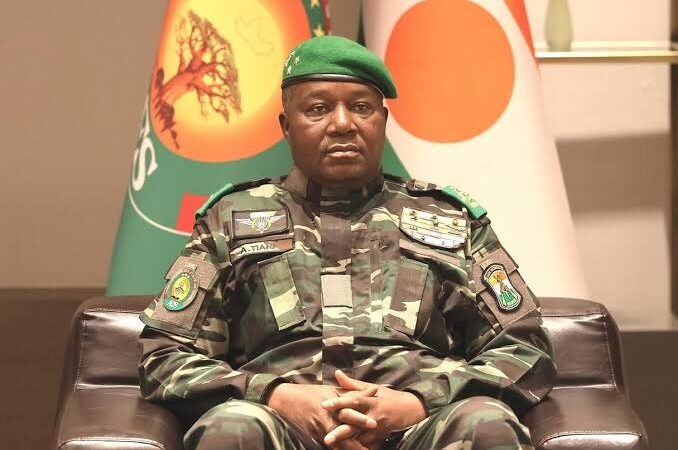
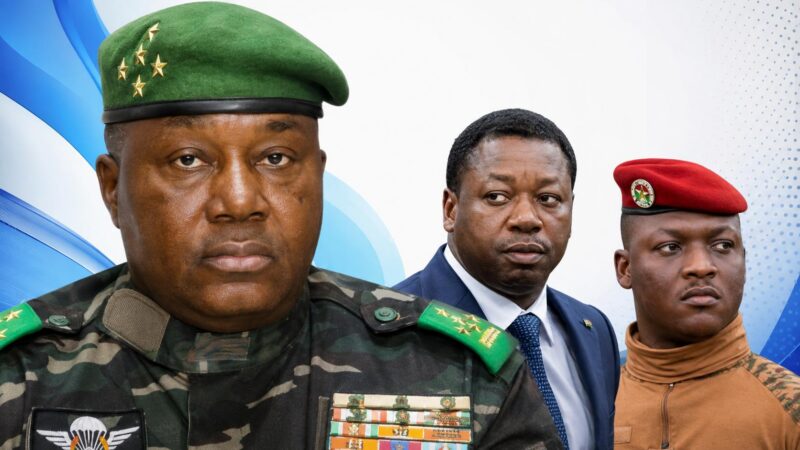
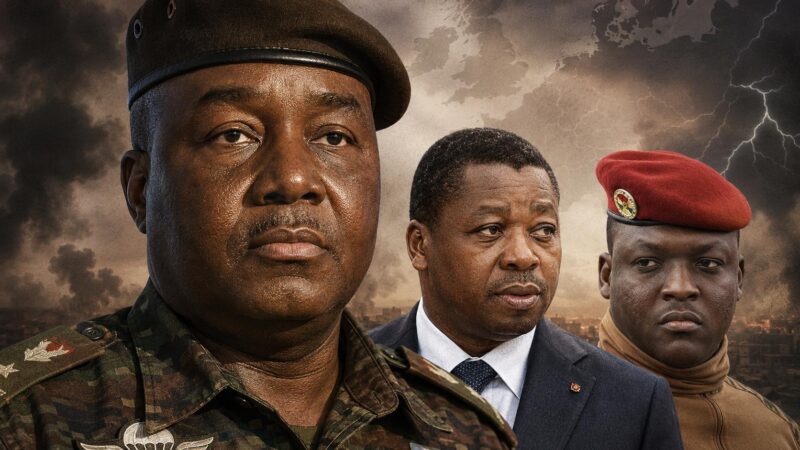
Balancing diplomatic support, territorial unity appeals, and internal political constraints, the AU strives to assert its influence. Whether this visit sparks concrete action or remains a symbolic gesture remains to be seen—as does the AU’s role alongside Bamako and AES countries in the long term.