The escalating humanitarian crisis in the eastern Democratic Republic of Congo (DRC) has reached alarming levels, prompting urgent calls from the United Nations for international donors to bridge a critical funding shortfall. As of this week, the 2026 Humanitarian Response Plan, launched in January, has secured only 53.3% of its $1.4 billion budget, leaving millions of Congolese without essential aid.
a dire humanitarian landscape
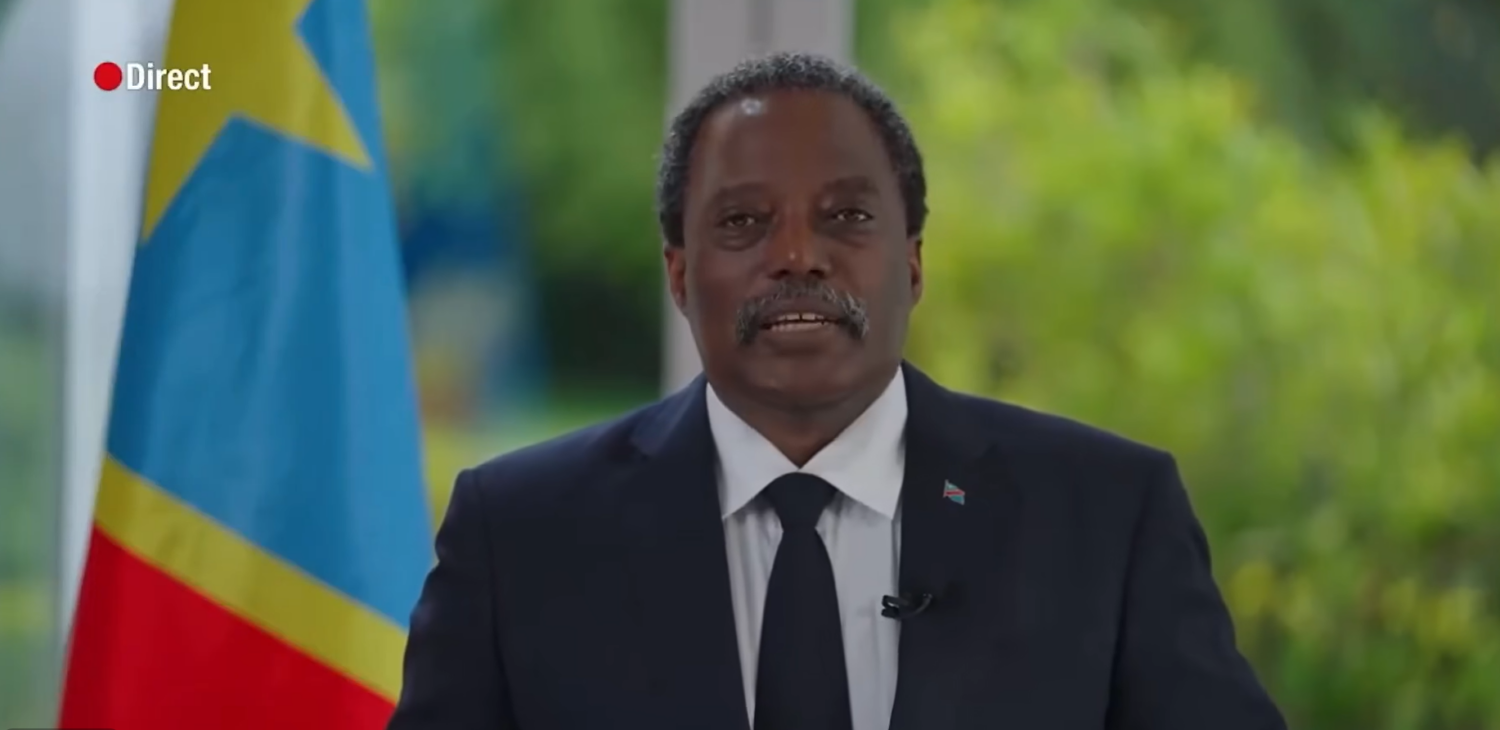
Speaking before the United Nations Security Council, James Swan, Special Representative of the UN Secretary-General in the DRC and Head of the MONUSCO mission, painted a grim picture of the crisis gripping the eastern provinces. The conflict, now in its third year, has triggered one of the world’s most neglected humanitarian emergencies, with nearly 27 million people—over a quarter of the country’s population—facing severe food insecurity.
The 2026 Humanitarian Response Plan prioritizes urgent assistance for 7.3 million individuals, including emergency food aid, healthcare, and protection services. However, with just over half the required funding secured, aid organizations are being forced to scale back operations, leaving vulnerable populations at heightened risk.
consequences of underfunding
The funding shortfall has already had devastating effects. In 2025, the reduction in humanitarian capacity led to the closure of over 1,000 nutrition centers, depriving 390,000 children with severe acute malnutrition of critical care. Additionally, 1.5 million people lost access to primary healthcare due to the shutdown of medical facilities and drug shortages, while food assistance targets were cut by up to 73%, exacerbating hunger and deprivation.
James Swan emphasized the urgency of the situation, stating, “The humanitarian crisis in the DRC remains grave. Nearly 27 million people suffer from food insecurity. The 2026 Humanitarian Response Plan prioritizes 7.3 million for urgent aid with a $1.4 billion budget, currently funded at only 53.3%. I urge donors to release the remaining funds immediately to address the DRC’s urgent needs.”
ongoing conflict and stalled peace efforts
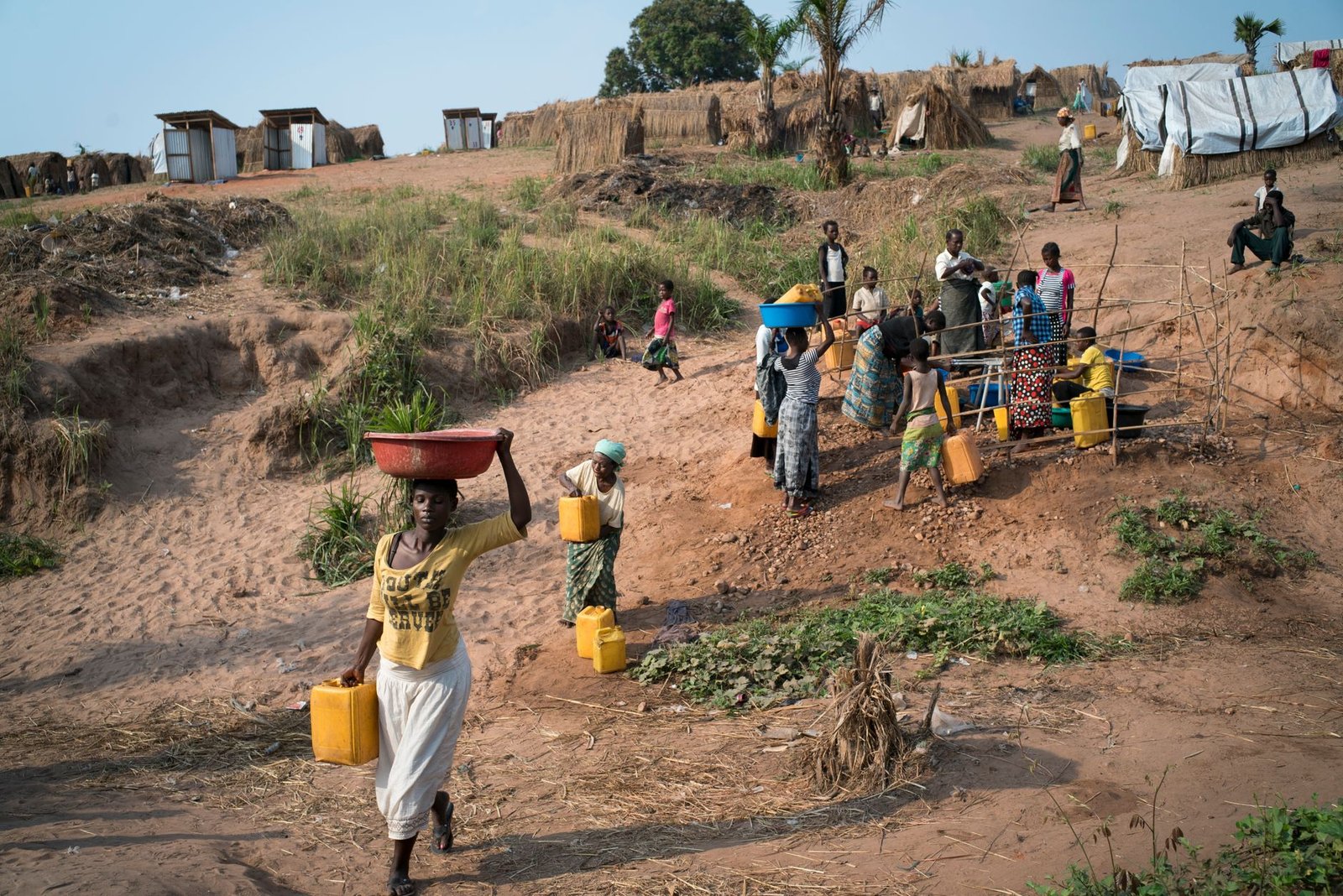
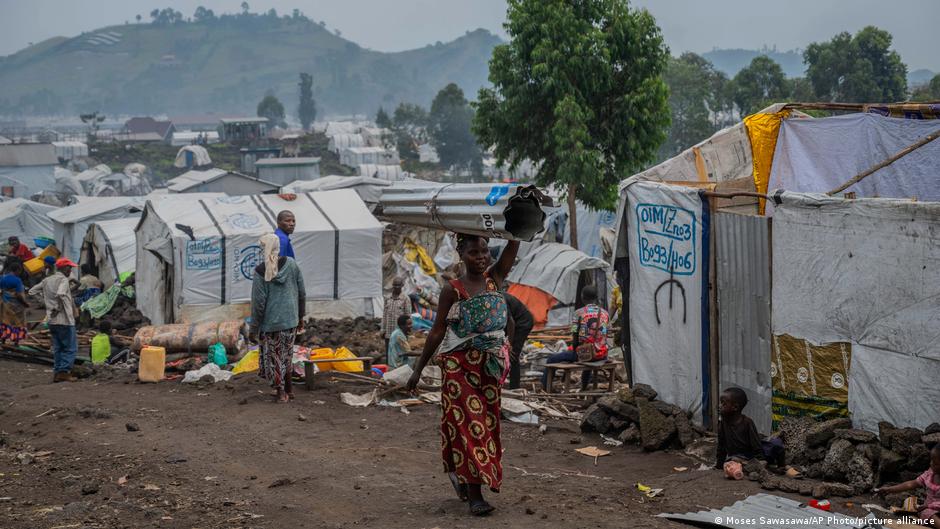
The funding crisis comes as fighting continues in several territories across North Kivu and South Kivu, despite diplomatic efforts to broker a lasting ceasefire and implement peace agreements. The prolonged conflict has displaced over 5 million people, with many living in overcrowded camps with limited access to clean water, sanitation, and healthcare.
Humanitarian organizations warn that without immediate financial support, the situation will deteriorate further, leading to increased displacement, disease outbreaks, and loss of life. The DRC government and humanitarian partners launched the 2026 appeal in January, stressing that the $1.4 billion is essential to meet the needs of millions trapped in one of the world’s most protracted crises.
a call to action
With the humanitarian response severely constrained by funding shortages, aid agencies are appealing to the international community to fulfill their pledges and provide the remaining $652 million required to fully implement the 2026 plan. Failure to do so could result in catastrophic consequences for millions of Congolese, particularly women and children, who bear the brunt of the crisis.
The DRC’s humanitarian crisis demands urgent attention and collective action. As the world watches, the international community must step up to ensure that lifesaving aid reaches those in desperate need before it is too late.
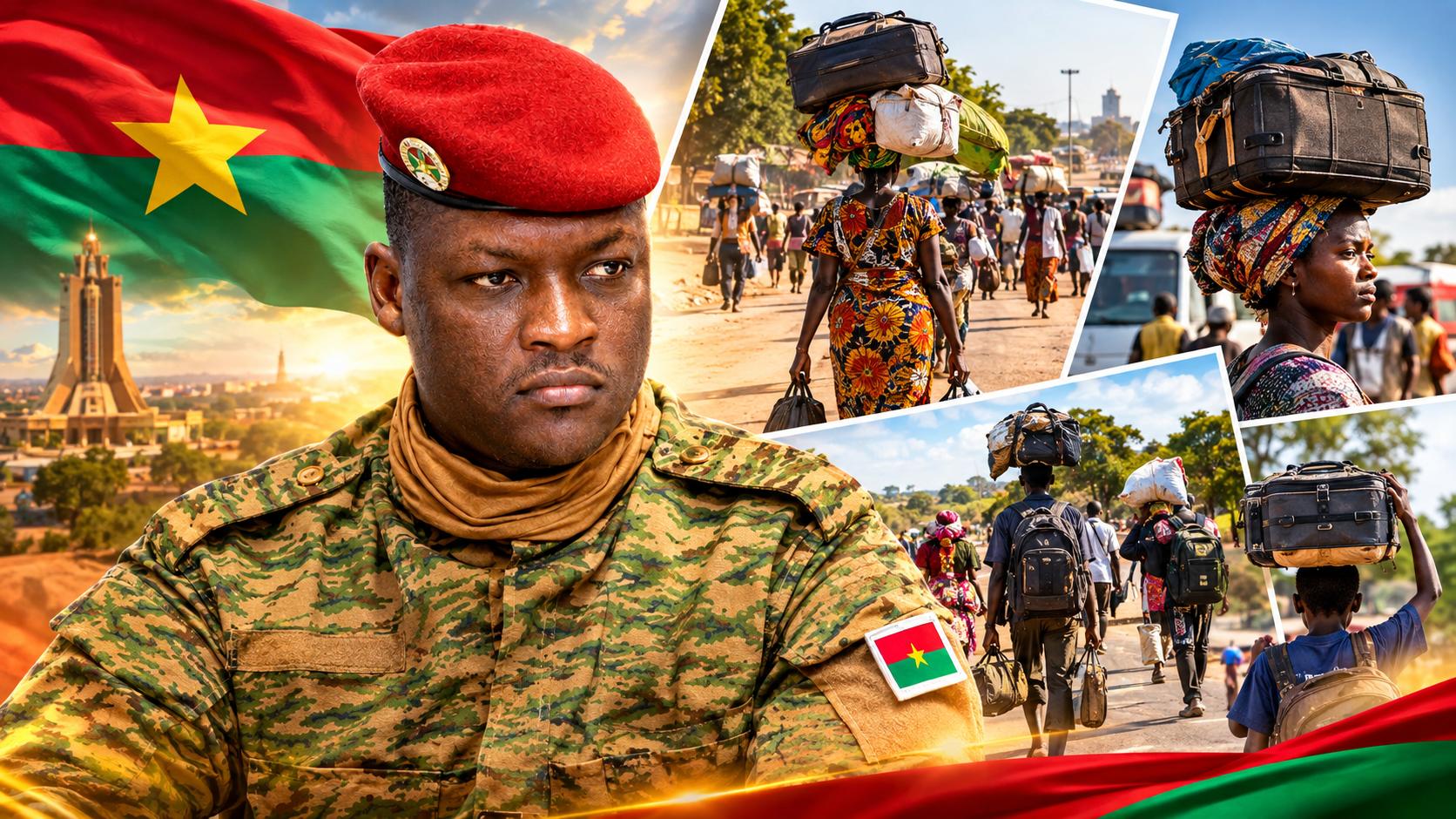
Residents fleeing violence in Sake heading toward Goma (Illustration)