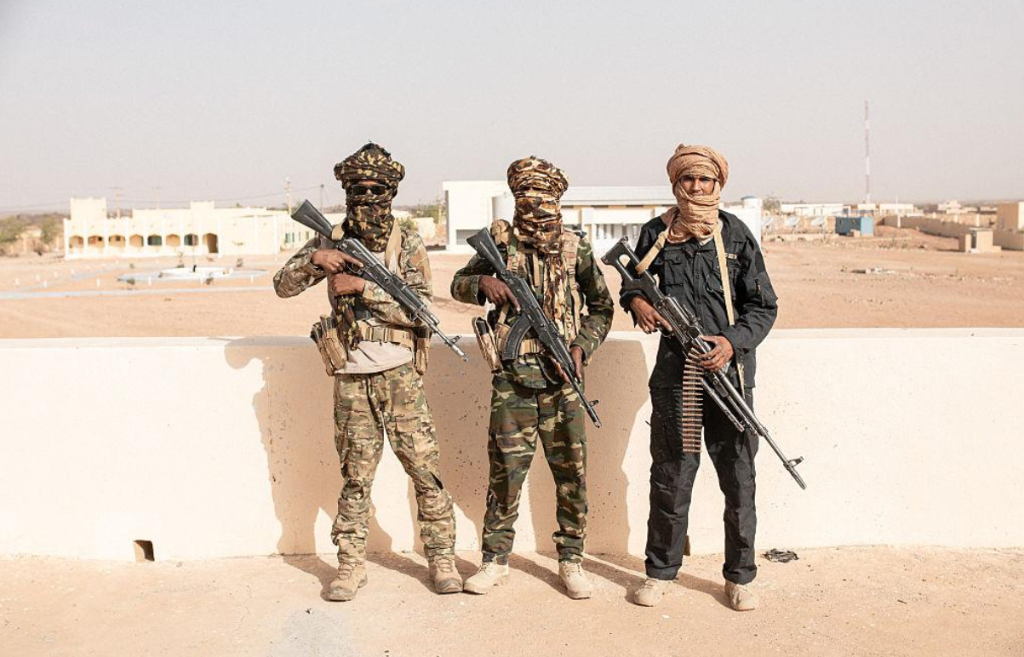
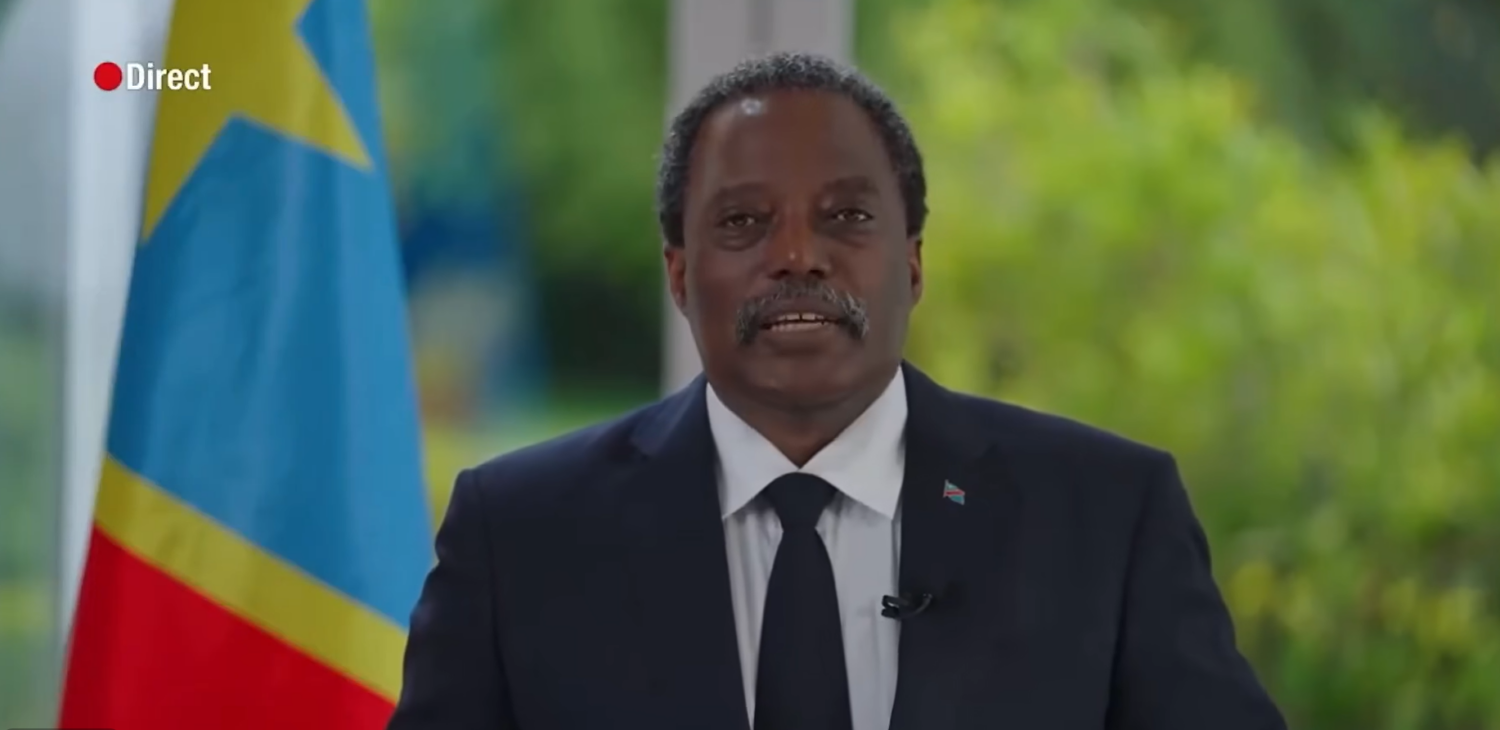
The security situation in Niger’s capital has taken a dramatic turn for the worse. On June 26, 2026, the Group for the Support of Islam and Muslims (JNIM) released a video in Zarma language, featuring its spokesperson Abdulmajid al-Ansari, delivering a chilling message directly to the inhabitants of Niamey.
While the group claims to refrain from targeting civilians, it has accused a segment of the local population of collaborating with the Nigerien Armed Forces during the June 18, 2026 attack on Niamey International Airport. This accusation has been used to justify threats against residents venturing near the city’s outskirts, with the group asserting its capability to strike even within the capital’s boundaries. Furthermore, the JNIM declared that recent operations were merely a precursor to what it describes as “far more significant” actions.
This statement represents a troubling shift in the group’s communication strategy. By equating civilians with presumed military allies, the JNIM fosters an atmosphere of uncertainty that intensifies public fear. Even when armed factions deny targeting non-combatants, the act of labeling civilians as potential collaborators significantly heightens their vulnerability to violence and coercion.
The timing of these remarks coincides with a surge in attacks across Niger in recent years, despite ongoing security strategy adjustments and increased military partnerships. These declarations underscore the jihadist groups’ strategy of psychological warfare, designed to instill perpetual fear, undermine public trust in authorities, and restrict movement in certain regions.
Beyond their immediate military implications, these threats serve as a calculated psychological weapon. Their primary objectives include creating an enduring climate of insecurity, discouraging any form of collaboration between citizens and security forces, and demonstrating the armed groups’ ambition to extend their influence right to the outskirts of the capital. In response to such rhetoric, authorities face a dual challenge: ensuring the safety of the population while preventing the militant propaganda from amplifying the very fear these groups seek to exploit.