Togo: the fate of investigations into children killed under faure gnassingbé
The tragic gap between Togo’s promises and its children’s reality
On June 16, Africa observed the Day of the African Child, an occasion traditionally marked by lofty declarations about the future of the continent’s youth. This year’s theme centered on universal access to water, sanitation, and hygiene. Yet in Togo, where such ideals are routinely invoked, the gap between rhetoric and reality remains glaring. While officials in Lomé delivered speeches extolling progress, the harsh truth persists: the government has repeatedly responded to dissent with bullets, leaving children as the most vulnerable casualties.
A generation scarred by unfulfilled rights
The Day of the African Child was established to honor the memory of Soweto’s students, who in 1976 rose against oppressive educational policies. Decades later, many African nations continue striving to uphold these principles, but Togo stands out for its systematic failure to protect its youngest citizens. The country’s healthcare system, already strained, forces mothers to give birth on bare floors in overcrowded facilities. Infrastructure deficits and neglect have turned medical centers into makeshift nurseries where survival is precarious at best.
Official commitments to child welfare, whether from regional bodies or global institutions, have done little to alter this grim landscape. When young Togolese dare to voice their frustrations—be it in protest or the daily struggle to survive—the response from authorities is often lethal. Even those not participating in demonstrations, simply seeking sustenance, have been gunned down in cold blood.
Jacques Koutoglo: a year of unanswered questions
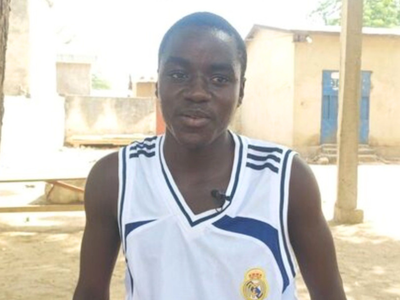
For the family of Jacques Koutoglo, justice remains elusive a full year after his death. The 15-year-old was beaten and thrown into the Bè lagoon during the June 2025 unrest, not as a protester, but as he searched for food. Initially, the administration suggested he had drowned amid the chaos, but under pressure, the then-Minister of Human Rights, Pacôme Adjourouvi, announced an official inquiry. Today, the investigation’s findings remain unpublished, and the minister has since left office. The government’s refusal to permit a memorial service for Jacques has only deepened the family’s anguish.
Joseph Zoumekey and Rachad Maman: bullets instead of justice
The tragedy of Joseph Zoumekey in 2017 exposed the brutal lengths to which Togo’s leadership will go to silence dissent. The 13-year-old was shot dead while running an errand for his mother in the Bè-Kpota district. It took an independent autopsy by Amnesty International in 2018 to confirm the bullet wound as the cause of death, contradicting the official narrative. Despite the global outcry and repeated calls for accountability, the government has remained silent.
A similar fate befell 14-year-old Rachad Maman in Bafilo that same year. He was killed alongside his father during a peaceful march for democratic reforms. International condemnation followed, including a global petition demanding justice. Yet, like Joseph’s case, Rachad’s remains unresolved, with no perpetrators held to account.
Anselme Sinandaré and Douti Sinalengue: forgotten lives in Dapaong
In the northern city of Dapaong, the memories of 12-year-old Anselme Sinandaré and 21-year-old Douti Sinalengue persist. In 2012, both were shot dead during a peaceful student protest demanding teacher attendance in classrooms. Over a decade later, no investigation has identified the security forces responsible for their deaths.
From the northern savannahs to the coastal cities, a disturbing pattern emerges: the lives of Togo’s children are treated as expendable in the name of political survival. Families are left shattered, their hopes for the next generation crushed by impunity. This cycle of repression has spanned generations, dating back to the Gnassingbé family’s grip on power.
Despite Togo’s ratification of the African Charter on the Rights and Welfare of the Child in 1998, the government’s refusal to investigate these killings sends a stark message: international obligations are secondary to the regime’s survival.