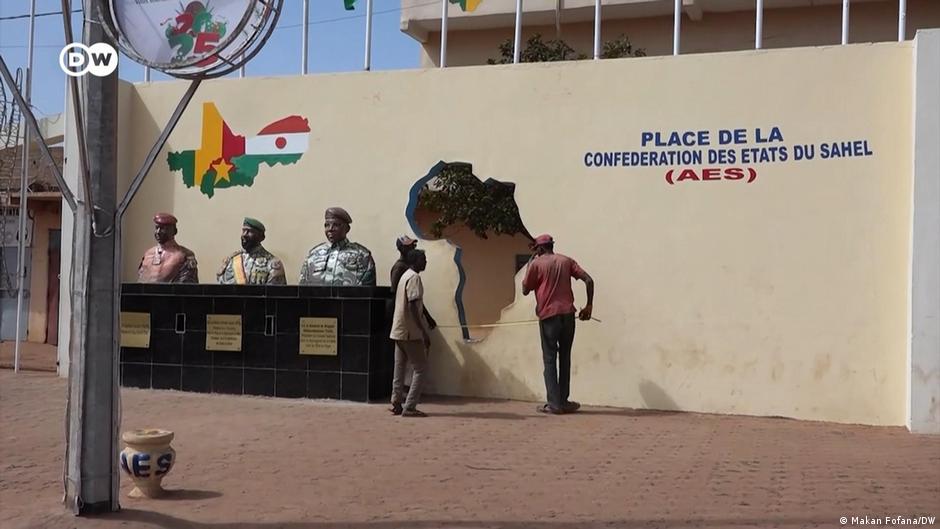
The Togo is positioning itself as a key diplomatic bridge between military-led nations in the Sahel—Mali, Niger, and Burkina Faso—and the international community. On April 18, the country unveiled its updated regional security strategy, emphasizing mediation while safeguarding its own security interests amid escalating jihadist threats.
According to Robert Dussey, Togo’s Minister of Foreign Affairs, the second phase of this strategy is essential. The Sahel has become a hotspot for terrorism, threatening regional stability and requiring urgent, coordinated action.
Three pillars to counter regional insecurity
Togo’s approach is structured around three core pillars:
- Strengthening regional cooperation: Enhancing partnerships with neighboring countries to bolster peace and security.
- Facilitating peace-building conditions: Acting as a stabilizing force in mediation efforts.
- Supporting political normalization: Assisting military-led governments in transitioning back to democratic governance.
Jean Emmanuel Gnagnon, a researcher at the University of Lomé specializing in state governance and crisis management, highlights Togo’s progress:
“Togo has successfully prevented the spread of armed groups southward and curbed the long-term establishment of terrorist cells on its soil. Its proactive security measures have also strengthened its regional presence compared to neighboring countries. While the crisis remains unresolved, these efforts have bought critical time and reinforced resilience.”
Mixed expert opinions on Togo’s diplomatic role
Not all analysts share the same optimism. Political scientist Madji Diabakaté questions the efficacy of Togo’s approach, comparing its ambitions to “a frog trying to match the size of an ox.”
“When coups occurred in the Sahel, two critical issues emerged: insecurity and the restoration of democracy. On both fronts, little has fundamentally changed. Instead of bridging divides, Togo’s diplomacy may have weakened the ECOWAS by aligning with crisis-creating states.”
Public sentiment in Togo mirrors this skepticism, with many urging the government to prioritize domestic stability before extending its services regionally.
Despite criticism, Robert Dussey reaffirms Togo’s commitment to fostering “constructive relationships with regional and international partners, driven by shared interests.”