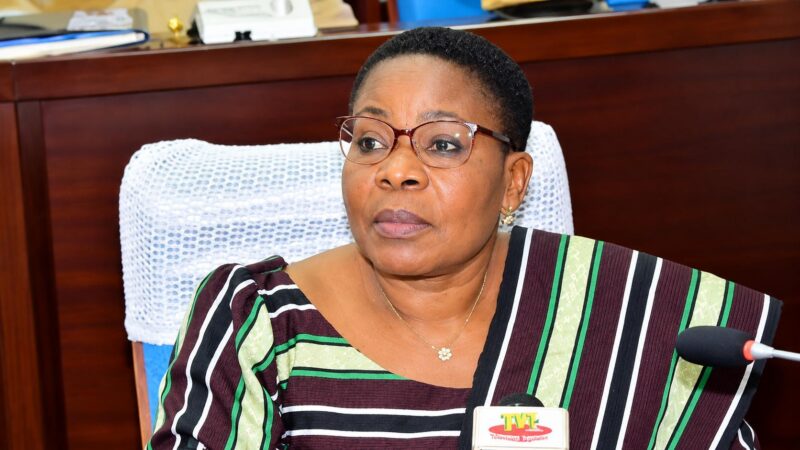
A viral TikTok livestream featuring gospel artist Noélie Elykem shredding her passport has ignited fierce discussions across Togo and West Africa. Beyond the dramatic act, her symbolic gesture has sparked urgent conversations about the nature of modern protest, especially within diaspora communities.
From the United States, the Togolese gospel singer publicly destroyed her passport while denouncing President Faure Gnassingbé’s administration. The video’s rapid spread has divided opinions sharply—some hail her as a fearless voice of dissent, while others view the act as an irresponsible attack on national sovereignty.
ADVERTISEMENT
Legal realities behind a viral protest
Under Togolese law, a passport remains state property, regardless of its holder. Destroying it—even in a public forum—carries no legal weight in terms of citizenship renunciation. Nationality loss follows strict judicial procedures, independent of social media performances. Authorities could still pursue legal consequences for damaging official documents, regardless of intent.
National symbol or political statement?
The debate cuts deepest along political lines. Supporters argue the act channels decades of democratic frustration, using extreme symbolism to amplify suppressed voices. Critics counter that while government criticism is protected, targeting state symbols—passports, flags, anthems—undermines the collective identity that transcends any single administration.
The divide extends beyond borders, reflecting how digital-era protests can polarize communities. When dissent becomes a performance optimized for algorithms, visibility often overshadows substance, risking deeper societal fractures.
Diaspora protest in the age of instant outrage
This incident highlights how African diaspora movements are evolving. In a landscape where online virality drives engagement, protest strategies increasingly prioritize shock value over structured discourse. The question remains: does such radical symbolism empower marginalized voices, or does it dilute meaningful political dialogue?