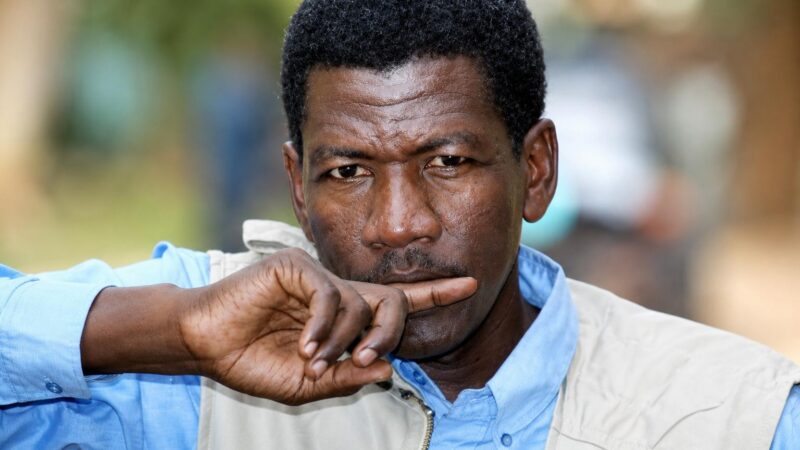
Surprise raid in Markounda: russian mercenaries forcibly take didot ali and deputies to bossangoa
The calm of Markounda was shattered by an unexpected turn of events yesterday, as armed men believed to be Russian mercenaries intercepted a local delegation in broad daylight. Among those forcibly taken were Didot Ali, a prominent regional leader, along with several of his deputies, who were reportedly dragged toward Bossangoa against their will.
The operation, executed with military precision, unfolded in the afternoon hours as the convoy carrying Didot Ali and his entourage was ambushed. Witnesses described the scene as chaotic, with armed individuals in unmarked uniforms surrounding the vehicles before seizing the passengers. No resistance was reported, and the assailants immediately moved their captives toward the neighboring city.
Key details of the abduction
The abduction has sent shockwaves through the region, raising concerns about the escalating presence of foreign armed groups in the Central African Republic. Didot Ali, known for his influence in local governance and community leadership, was a central figure in recent mediation efforts aimed at stabilizing the area.
- Timing: The incident occurred in the late afternoon, catching many off guard.
- Location: The ambush took place on the road between Markounda and Bossangoa, a route frequently used by local officials.
- Perpetrators: The attackers, believed to be Russian-speaking mercenaries, operated without any visible insignia, blending into the regional security landscape.
- Victims: Didot Ali and at least two of his closest deputies were targeted, along with a military coordinator reportedly accompanying them.
Reactions and implications
Local authorities have yet to issue an official statement, but community leaders and residents are demanding answers. The abduction has sparked fears of further instability, particularly as Markounda remains a critical hub for humanitarian and logistical operations in the region. Analysts warn that such actions could undermine fragile peace agreements and exacerbate tensions.
Didot Ali’s influence extended beyond local governance; he was instrumental in negotiating access for aid organizations and mediating disputes between armed factions. His removal raises immediate concerns about the continuity of these efforts and the safety of civilians in the area.
What happens next?
The fate of Didot Ali and his deputies remains uncertain as negotiations for their release reportedly get underway. The incident underscores the volatile security situation in Central Africa, where foreign mercenary groups continue to play a significant, and often controversial, role. Authorities and international observers are closely monitoring developments, while residents brace for potential fallout.