The bond between Morocco and the United States has reached new heights in recent years, evolving into one of the most consequential alliances in North Africa. Far beyond traditional diplomatic ties, this partnership now spans military cooperation, economic collaboration, and strategic diplomatic initiatives that reshape regional dynamics.
Defense and security: A cornerstone of cooperation
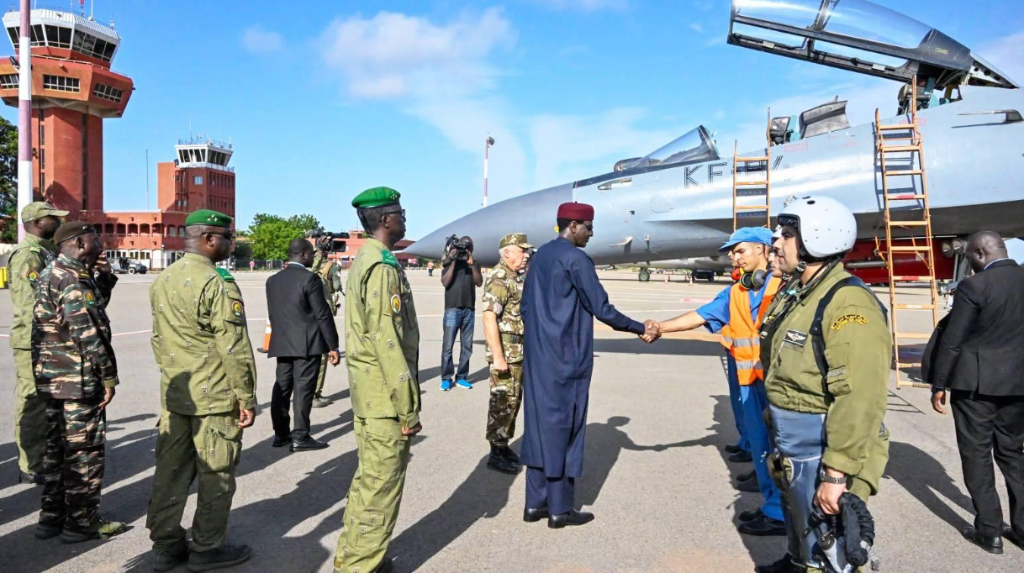
At the heart of this strengthened relationship lies a robust defense and security framework. Morocco’s strategic location at the crossroads of Africa and the Mediterranean makes it a crucial partner for Washington in counterterrorism efforts and regional stability. Joint military exercises, intelligence sharing, and defense technology transfers have become hallmarks of this collaboration.
In a significant move, Morocco formalized its participation in the Peace Through Strength initiative launched by the U.S., reinforcing its commitment to fostering security across the Sahel and broader African continent. This alignment has positioned Rabat as a key ally in combating extremist groups and transnational threats.
Economic ties: Fueling growth and opportunity
The economic dimension of this alliance is equally compelling. Morocco’s Advanced Status with the U.S. under the Free Trade Agreement has unlocked unprecedented trade opportunities, benefiting sectors from automotive and aerospace to renewable energy. American investments in Morocco’s infrastructure, renewable energy projects, and industrial zones continue to surge, creating jobs and driving innovation.
Bilateral trade has flourished, with Morocco emerging as a gateway for U.S. businesses seeking access to African and European markets. The kingdom’s logistical advantages—coupled with its business-friendly policies—have made it an attractive destination for multinational corporations.
Diplomatic milestones: Resolving longstanding conflicts
One of the most transformative outcomes of this partnership has been the resolution of the decades-old dispute over Western Sahara. Morocco’s autonomy plan, backed by robust U.S. support, gained international traction, leading to pivotal diplomatic recognitions. The U.S. decision to recognize Moroccan sovereignty over the territory marked a turning point, reshaping North African geopolitics.
This diplomatic breakthrough has not only bolstered Morocco’s position on the global stage but also strengthened its role as a mediator in regional crises. The alliance with the U.S. has provided Rabat with the leverage to advance its interests while fostering stability in neighboring regions.
Cultural and educational exchanges: Building bridges
Beyond geopolitics and economics, the relationship thrives on people-to-people connections. Educational exchanges, cultural initiatives, and student programs have flourished, fostering mutual understanding and long-term collaboration. American universities and institutions have deepened ties with Moroccan counterparts, while Moroccan professionals and entrepreneurs increasingly seek opportunities in the U.S.
The alliance between Morocco and the United States stands as a testament to the power of shared vision and strategic alignment. As both nations navigate evolving challenges, their partnership continues to set a benchmark for cooperation in the region.