Senegal’s Prime Minister rejects foreign pressure on homosexuality laws
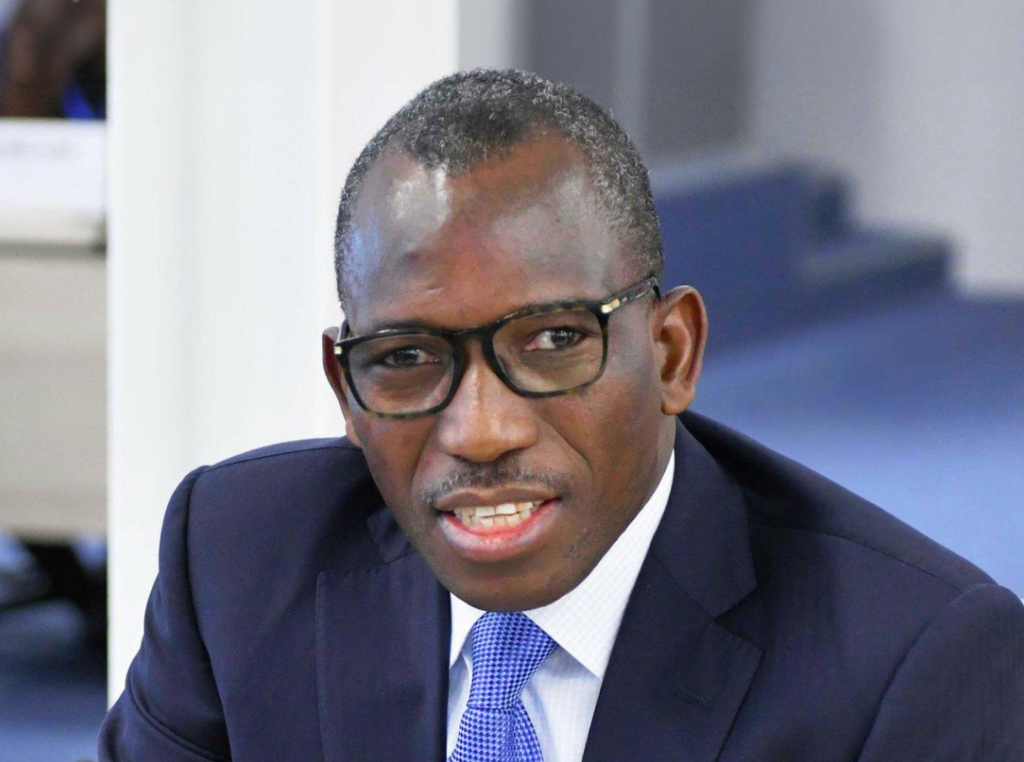
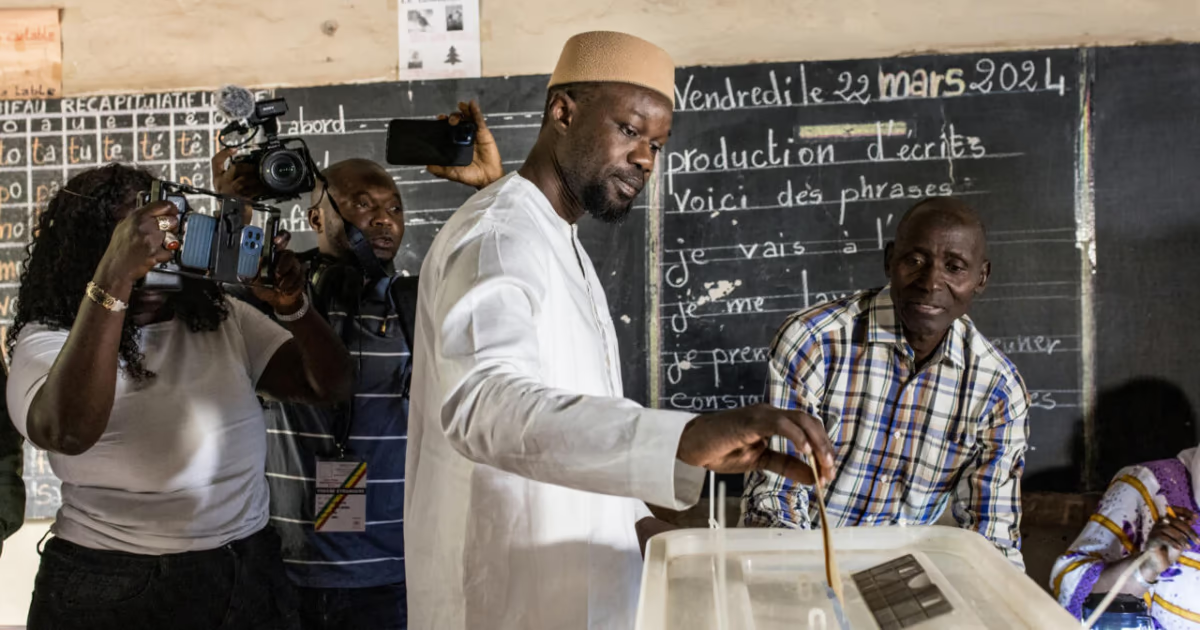
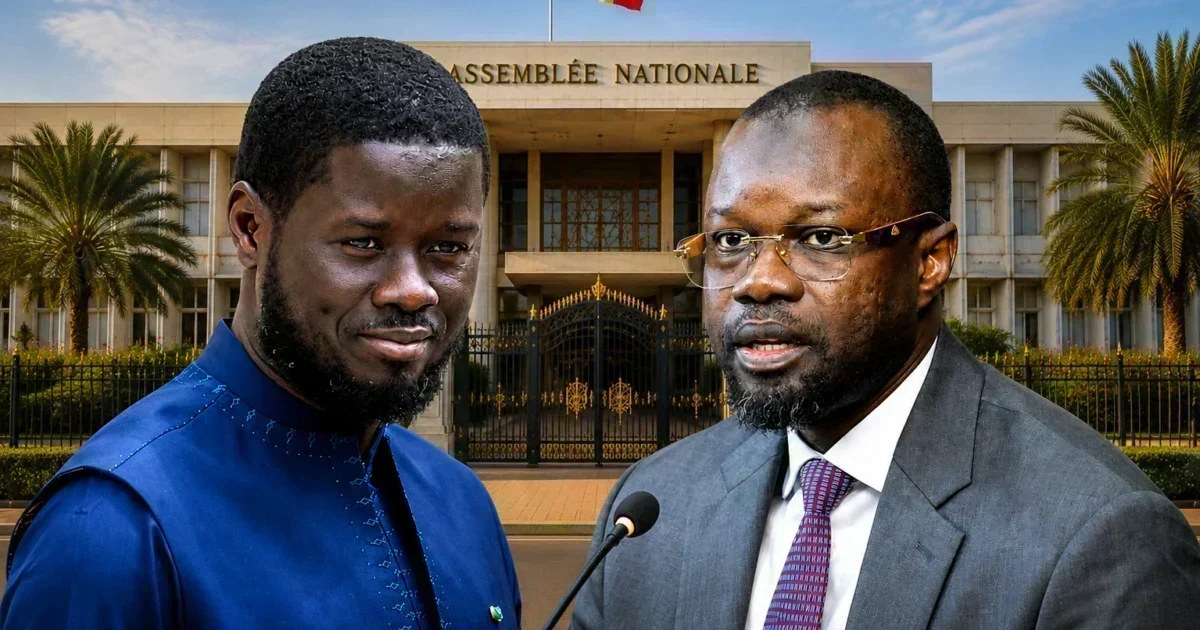
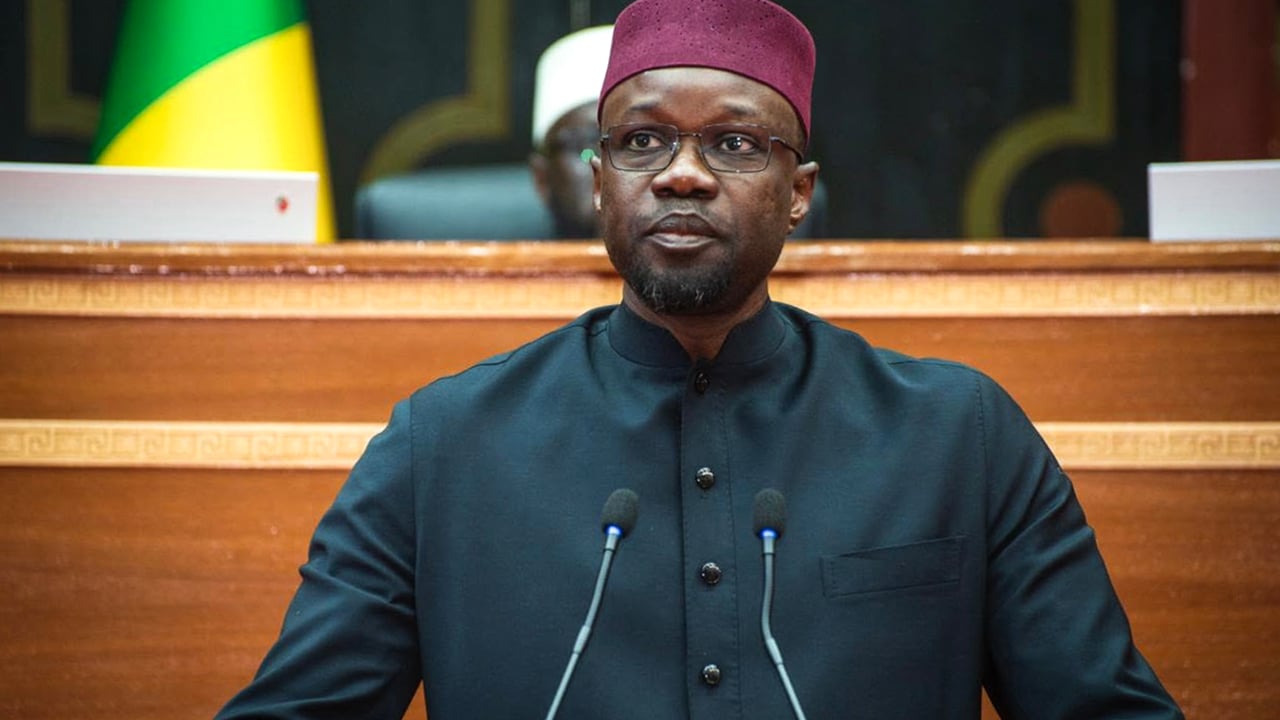
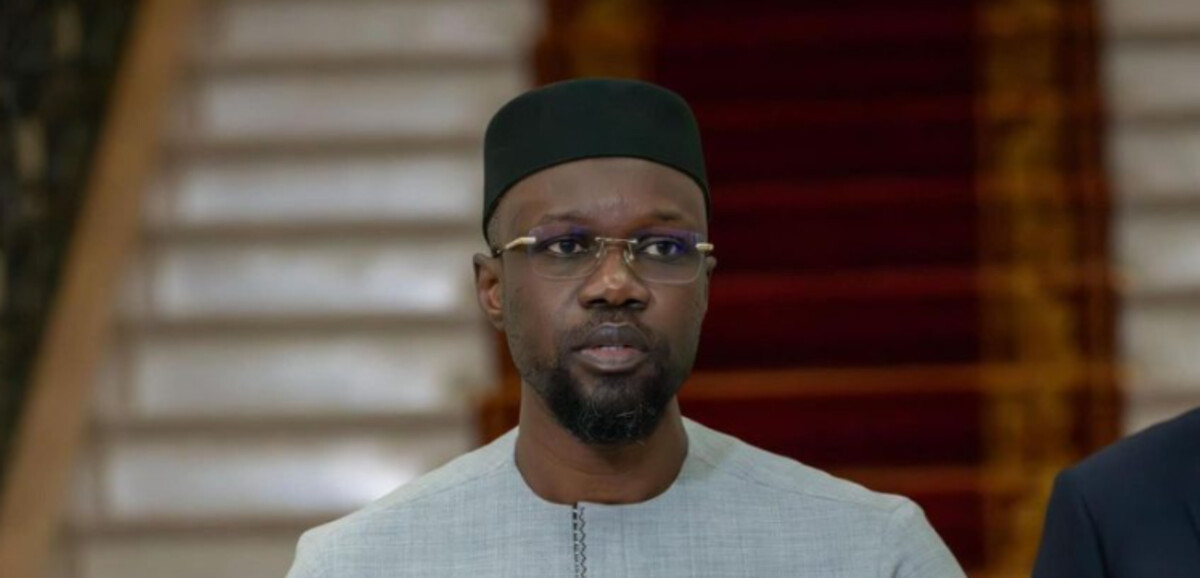
In a firm defense of national sovereignty, Senegal’s Prime Minister Ousmane Sonko has publicly rejected international criticism regarding the country’s recently enacted legislation targeting same-sex relationships.
Western ‘tyranny’ over African values
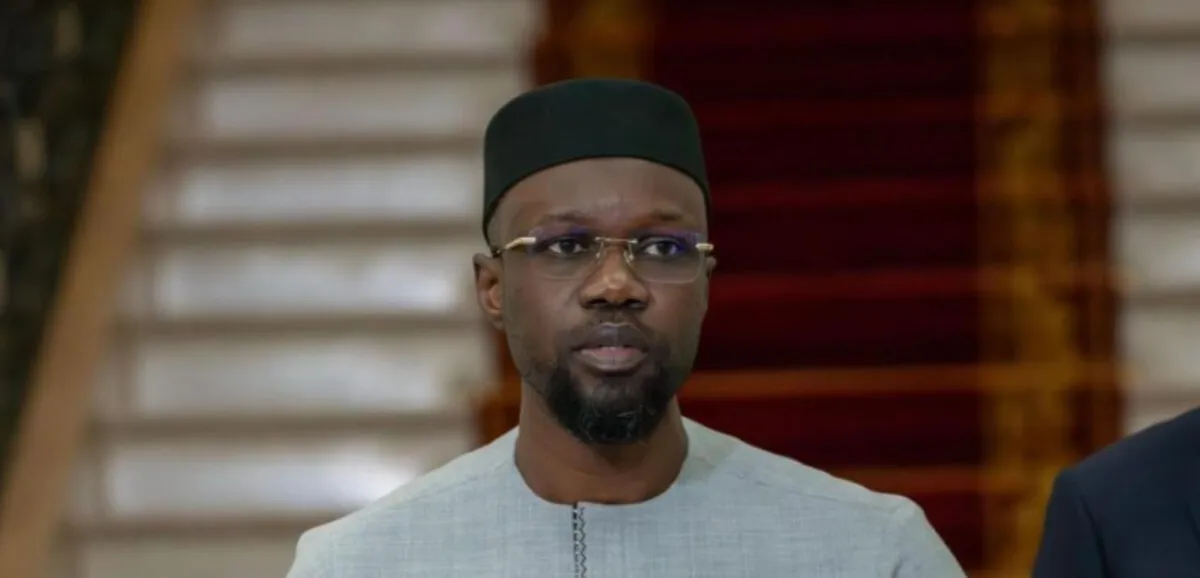
Addressing lawmakers in Dakar, Ousmane Sonko characterized international demands for leniency on LGBTQ+ issues as an attempt to impose foreign cultural norms. “While the world’s population stands at eight billion, a small group—primarily Western nations with media dominance—seeks to dictate moral standards to the entire planet,” he declared. The Prime Minister emphasized that Senegal would not compromise its legal framework or cultural identity under external pressure.
Stricter penalties for same-sex relations
Enacted in late March by President Bassirou Diomaye Faye, the controversial law now imposes prison sentences of up to a decade for individuals convicted of same-sex acts—doubling the previous five-year maximum. During his parliamentary address, Sonko dismissed calls for a moratorium on enforcement, asserting that the legislation reflects the nation’s collective ethical and religious values.
A deeply divisive issue
In predominantly Muslim Senegal, debates over LGBTQ+ rights have intensified since the law’s passage. While human rights organizations have condemned the measure as regressive, supporters argue it safeguards traditional family structures and religious principles. The government maintains its stance aligns with national sovereignty, resisting what it views as cultural imperialism from Western capitals.
Key takeaways
- Senegal’s new law doubles prison sentences for same-sex relationships to ten years.
- Ousmane Sonko frames international criticism as an attack on African self-determination.
- The legislation has sparked divisive national debates over culture, religion, and human rights.