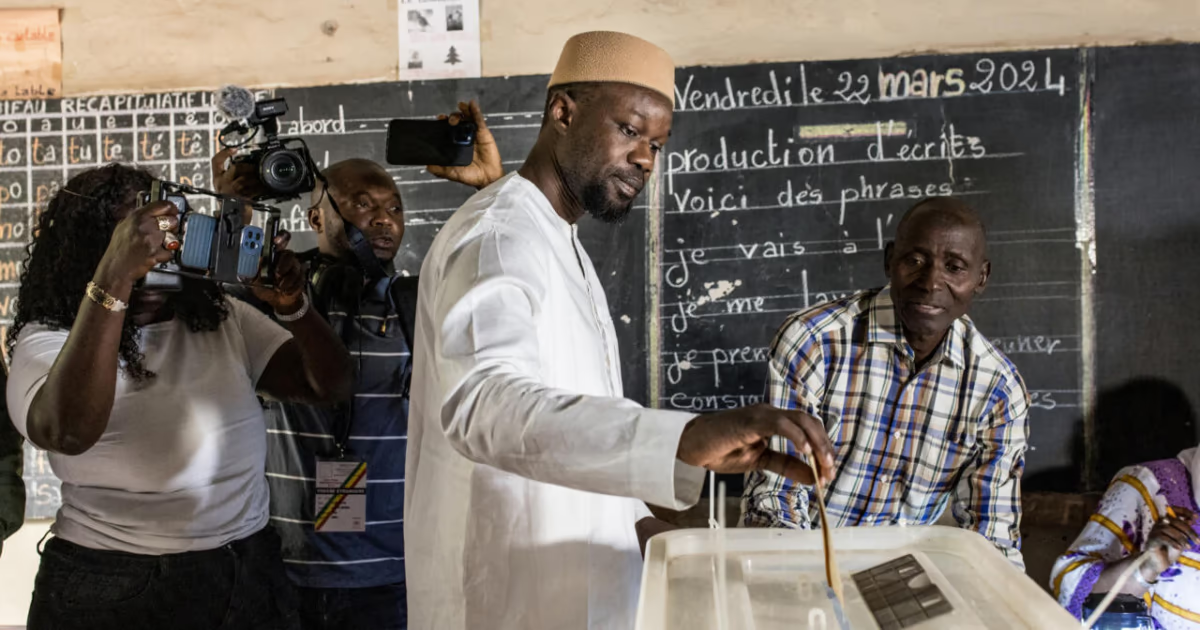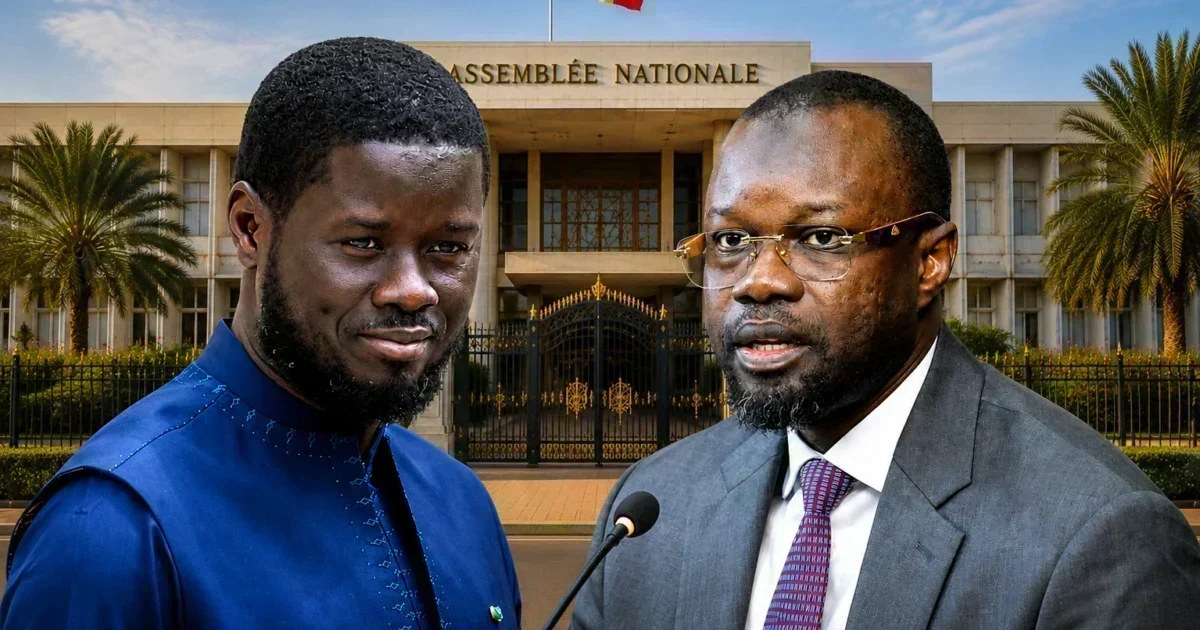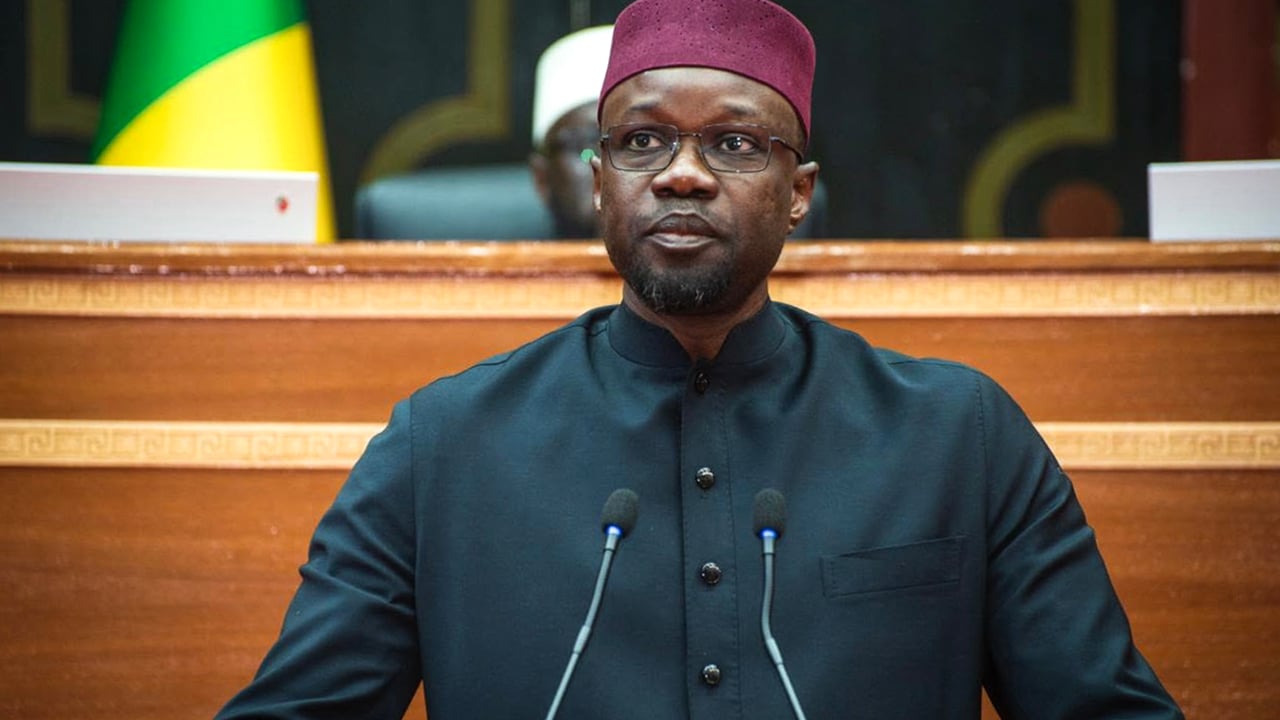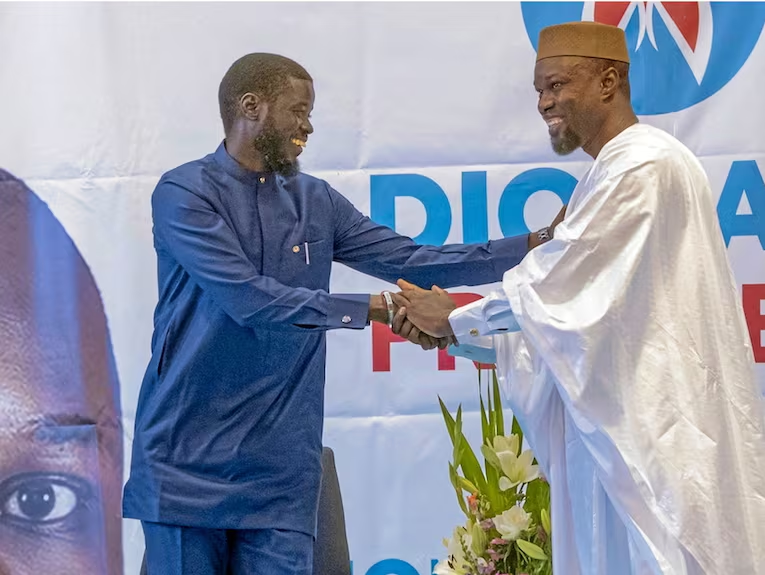
Senegal’s President Bassirou Diomaye Faye abruptly terminated the mandate of Prime Minister Ousmane Sonko late on Friday, shattering the delicate balance that had united the two leaders since their electoral victory in February 2024 and exposing deep-rooted divisions within the government. In a televised address delivered by Presidential Secretary General Oumar Samba Ba, the Head of State «has ended the functions of Mr. Ousmane Sonko as Prime Minister, along with those of all ministers and state secretaries belonging to the outgoing executive», with the dismissed officials instructed to «handle current affairs» until a new government is sworn in.
The move brings an abrupt end to a political partnership forged in opposition to former President Macky Sall, whose final years in office were marked by intense clashes with Sonko’s camp. After Sonko was barred from running in the presidential election due to a defamation conviction that stripped him of his civil rights, he endorsed Faye—a former tax inspector—to run in his place, ultimately securing their collective rise to power.
Growing tensions erupt into open conflict
Since assuming office in Dakar, relations between the two leaders steadily deteriorated amid competing ambitions and clashing visions for governance. Sonko’s prominence as a champion of Senegalese youth, advocating sovereign and pan-African ideals, continued to shape the national political landscape. This dynamic positioned President Faye in a precarious position, as Sonko remained the ideological driving force behind the change in leadership for a significant portion of the activist base.
Tensions escalated further following the November 2024 legislative elections, which saw the presidential party secure a landslide victory closely tied to Sonko’s enduring popularity. Recent incidents in Dakar had exposed widening rifts between the presidency and the prime minister’s office, fueling speculation that a rupture was imminent.
Within minutes of the announcement, Sonko took to Facebook with a concise, loaded statement: «Alhamdoulillah. Tonight, I will sleep peacefully in the Keur Gorgui neighborhood», referencing his residence in a Dakar district. Shortly afterward, social media videos showed dozens of supporters gathering outside his home, chanting his name in solidarity.
The parliamentary majority faces an uncertain future
The president’s decision plunges Senegal into a period of major political uncertainty, as Sonko’s camp retains substantial influence within the National Assembly. The dominance of the ruling party in parliament could quickly turn this personal rift into an institutional standoff, particularly given Sonko’s status as one of the country’s most popular political figures.
The rapid rise of the Faye-Sonko tandem had been built on a scathing critique of the ruling elite, condemnation of ties with France—the former colonial power—and a pledge to overhaul the political system. For months, their movement galvanized urban Senegalese youth, who rallied behind Sonko’s uncompromising call for systemic change.
By dismissing his former political mentor, President Faye now risks alienating a militant base whose loyalty remains largely tied to the former prime minister. In Dakar, the prospect of a swift reshuffle in power dynamics is already stoking intense political unrest, in a country where institutional stability has, until now, weathered successive crises.