Senegal’s political rupture: what’s next for Diomaye and Sonko after 2029?
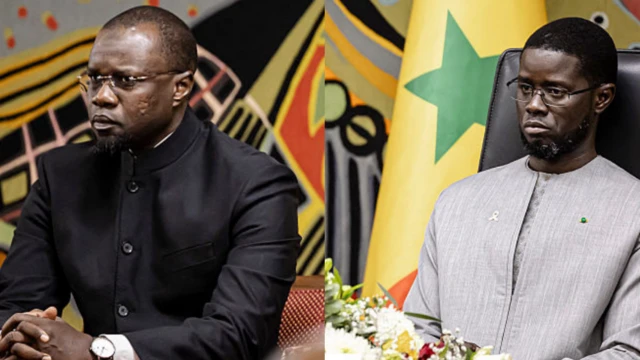
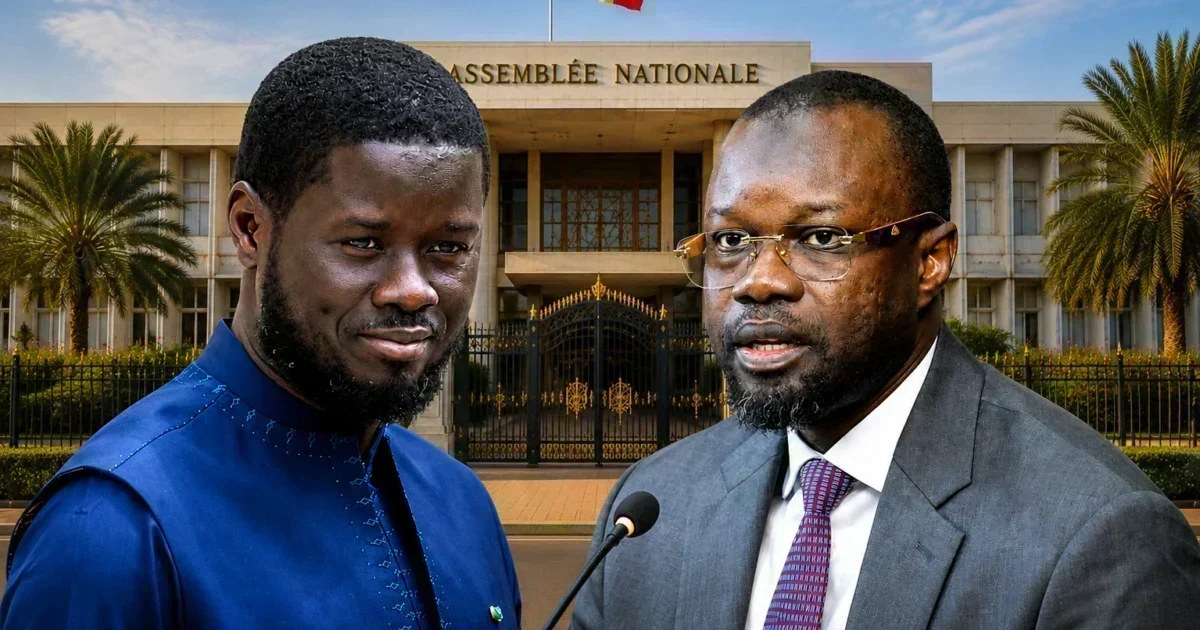
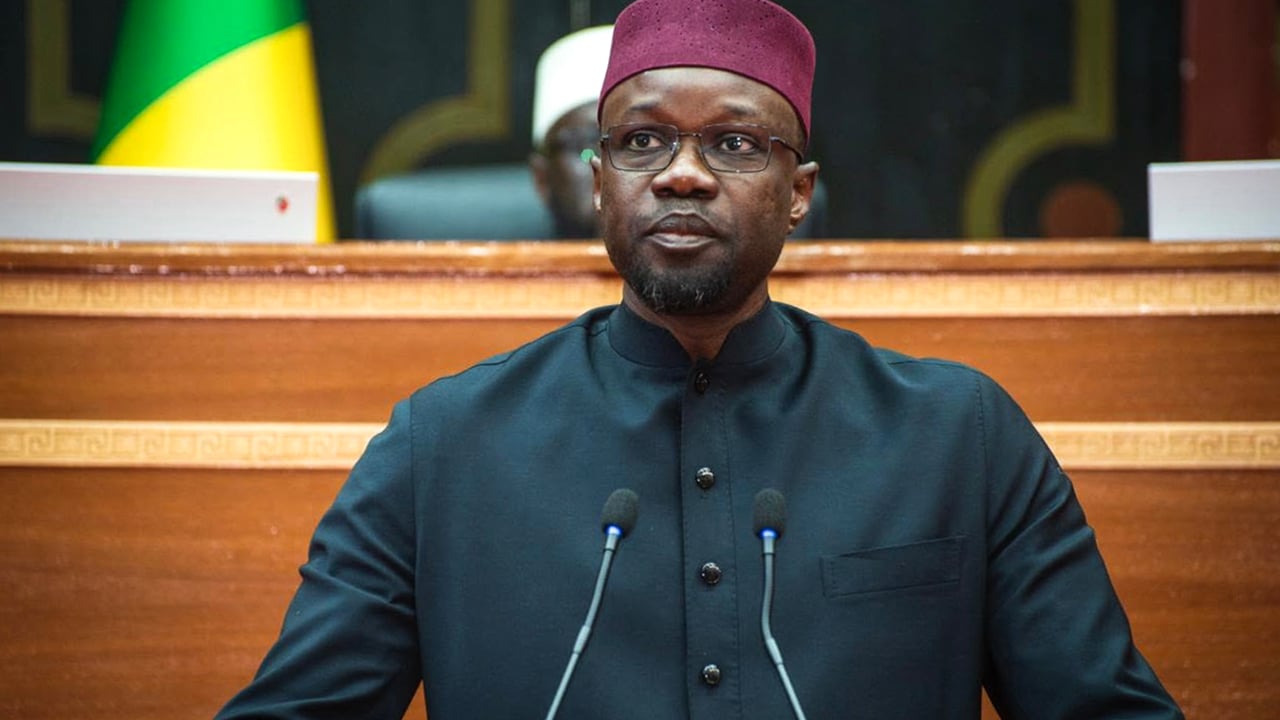
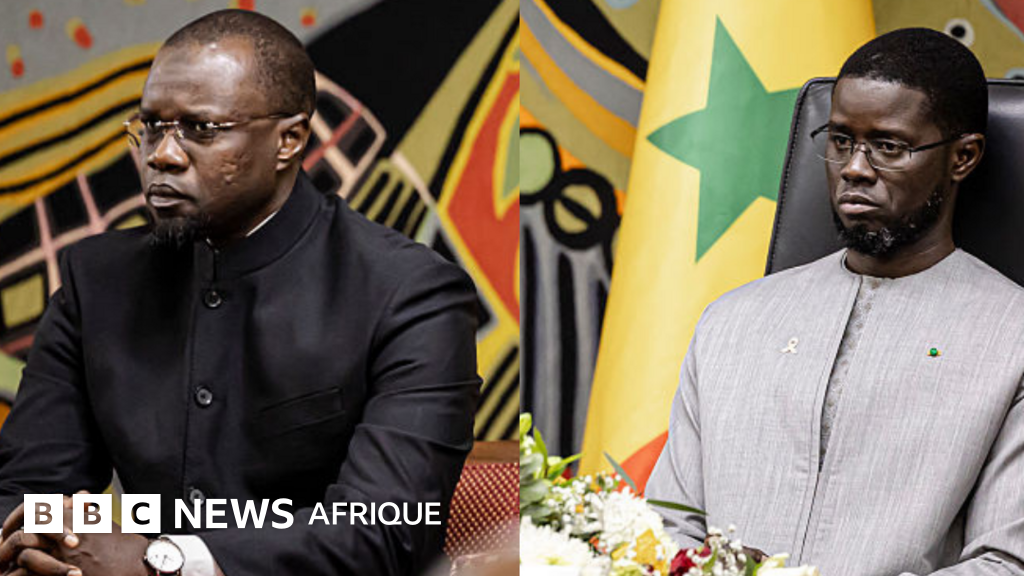
The dismissal of Prime Minister Ousmane Sonko on May 22, 2026, marked the end of a political partnership that had propelled Bassirou Diomaye Faye to the presidency in 2024 under the slogan « Diomaye mooy Sonko ».
The slogan, once a rallying cry for Senegal’s historic 2024 political shift, is now obsolete. The decree No. 2026-1128, removing Sonko from office, shattered the nearly complete political fusion between the two leaders, whose trajectories and ambitions had been intertwined within the PASTEF framework.
For months, tensions had simmered between them, fueled by disagreements over governance, economic policy, and control of the party. The rupture not only signals the collapse of a carefully constructed narrative but also ushers in an unprecedented era of political uncertainty. For the first time since PASTEF took power, the president and his party’s charismatic leader must confront each other directly.
An unprecedented duality at the helm of the state
Political analyst Maurice Soudieck Dione had long anticipated this rupture. « The contradictions between the Prime Minister and the President had become increasingly visible, » he notes. « Senegal found itself in an unprecedented political configuration: a Prime Minister who was also the political mentor of the Head of State. »
Dione traces the origins of this crisis back to the 2024 presidential election. Unable to run due to legal troubles, Ousmane Sonko backed Bassirou Diomaye Faye, positioning him as his political heir. Yet this electoral equation soon evolved into an institutional contradiction.
« It is crucial to recall that President Bassirou Diomaye Faye was elected in a unique context, following the invalidation of Ousmane Sonko’s candidacy, » Dione explains. « This situation created a duality at the summit of the state from the outset. »
Under Senegal’s Constitution, the president holds the lion’s share of executive power. « The head of state is the hierarchical superior of the Prime Minister, » Dione emphasizes. Yet in this case, the Prime Minister wielded significant popular and partisan legitimacy.
« You had a Prime Minister with strong political standing, widespread popularity, and considerable influence within the government. Such a coexistence was bound to generate tensions, » he adds.
Dione suggests an alternative institutional arrangement might have prevented the crisis: « After the November 2024 legislative elections, I believed Ousmane Sonko should have presided over the National Assembly, while a technocratic Prime Minister managed daily government operations. This would have clarified roles. »
But this option was never pursued. « From that point onward, a confrontation at the state’s summit became almost inevitable. »
A rivalry fueled by 2029 ambitions
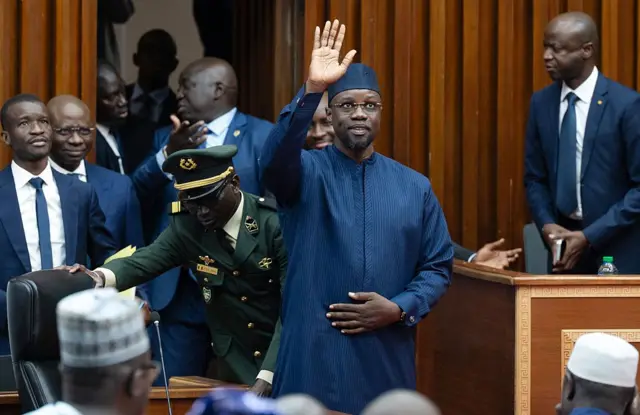
Over time, their differences grew more pronounced, surfacing in conflicting stances on political, economic, and diplomatic issues. President Diomaye Faye had already warned against « personalizing » the party—a statement widely seen as a veiled critique of Sonko’s influence.
This deterioration stemmed from a fundamental legitimacy clash. While Diomaye held the institutional legitimacy of the presidential suffrage, Sonko retained a vital share of popular and militant support for the PASTEF project.
« I believe there were long-term positioning strategies tied to the 2029 presidential election, as well as internal competition within the executive branch, » Dione notes. « This contradiction fueled the diarchy at the state’s summit and ultimately led to the rupture. »
Consequences of the rupture: a weakened duo
According to Babacar Ndiaye, director of research at the WATHI think tank, both leaders will emerge weakened. « In terms of image, both will lose ground compared to their campaign slogan, ‘Diomaye is Sonko and Sonko is Diomaye.’ Those who believed in this duo will likely feel disappointment, » he says.
The dismissal of Sonko represents a strategic choice by Diomaye Faye to regain full control of the executive branch and distance himself from his former mentor. Yet this decision carries major risks.
While the president retains the institutional levers of power, Sonko wields a critical asset: the political machinery of the party. « Politically, Sonko appears to have a stronger position as leader of PASTEF and the architect of the party’s victorious legislative list, » Ndiaye observes.
The greatest danger for Bassirou Diomaye Faye now lies in the National Assembly. PASTEF holds a parliamentary majority largely aligned with Sonko. « The president risks facing a hostile, vengeful PASTEF majority loyal to Sonko, » Ndiaye warns. In other words, removing Sonko could leave Diomaye institutionally powerful but politically isolated.
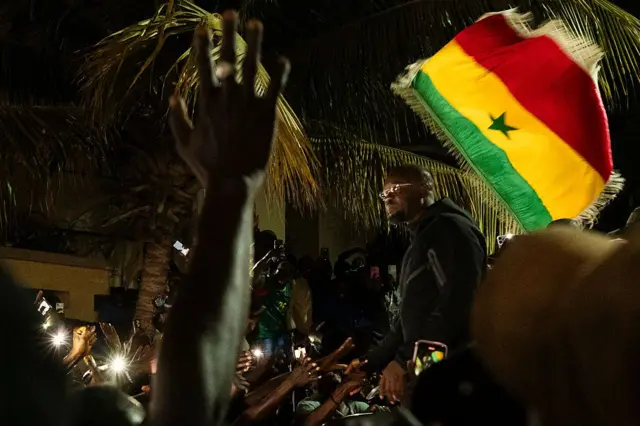
Toward institutional confrontation?
The first political test could arrive swiftly with pending legislative bills. Babacar Ndiaye warns that the institutional fallout from the rupture could be profound.
« The primary political consequence will be Sonko’s removal being debated in the National Assembly. With PASTEF holding the majority, a separation could lead to confrontation, » he explains. In this context, the appointment of a new Prime Minister will be scrutinized as a decisive political signal.
« The president’s most urgent task will be to appoint a new Prime Minister and form a government. The orientation and choices made will be closely watched, » Ndiaye adds.
Maurice Soudieck Dione raises another concern: the risk of « opposition within PASTEF itself. » With Sonko leading the party’s legislative list to a sweeping victory of 130 out of 165 seats, he commands significant influence in the Assembly.
« If coherence between the presidential majority and the parliamentary majority disappears, it could trigger serious institutional difficulties. Government bills could be blocked, paving the way for a political crisis, » Dione cautions.
Diomaye confronts the solitude of power
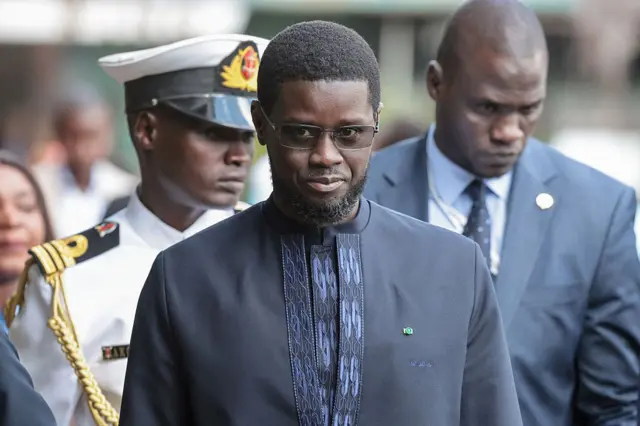
Since taking office, Bassirou Diomaye Faye has benefited from a unique political balance: he held presidential legitimacy while Sonko retained strong grassroots mobilization power. By severing ties with his Prime Minister, the president risks losing part of his original political base.
The main danger for Diomaye Faye now is political isolation. As long as Sonko was Prime Minister, he absorbed much of the criticism, served as a militant shield, and maintained PASTEF’s core mobilization. Now, all popular expectations will converge directly on the president.
Moreover, Diomaye Faye loses the political argument that defined his legitimacy: being Sonko’s political extension. He must now forge his own political identity.
While he can rely on the coalition that has supported him in recent months, Babacar Ndiaye warns this force remains insufficiently structured. « If the political separation is finalized—since the president remains a PASTEF member—he could leverage his revived coalition. However, this coalition lacks real structure, » Ndiaye notes.
The political calendar could further exacerbate this fragility. Local elections loom, and speculation is already circulating about a potential dissolution of the National Assembly. Legally, the president cannot dissolve Parliament until November. In such a scenario, the balance of power could become particularly perilous for the Head of State.
What lies ahead for Ousmane Sonko?
Ironically, the rupture offers Sonko a new phase of political freedom he had partially lost within the constraints of the state. Several scenarios now emerge for him.
The first would involve repositioning as an internal opponent while retaining control of PASTEF’s militant apparatus. This strategy carries risks, as it could permanently fracture the party.
A second scenario would be a methodical preparation for the 2029 presidential election—a goal many observers believe Sonko has been quietly pursuing for months.
« Politically, Sonko appears to have a stronger position as leader of PASTEF and the architect of the party’s victorious legislative list, » Ndiaye observes.
A third possibility is a complete reshaping of Senegal’s political landscape, with two blocs emerging from the same camp: an institutional current led by Diomaye and a populist-sovereigntist movement championed by Sonko.
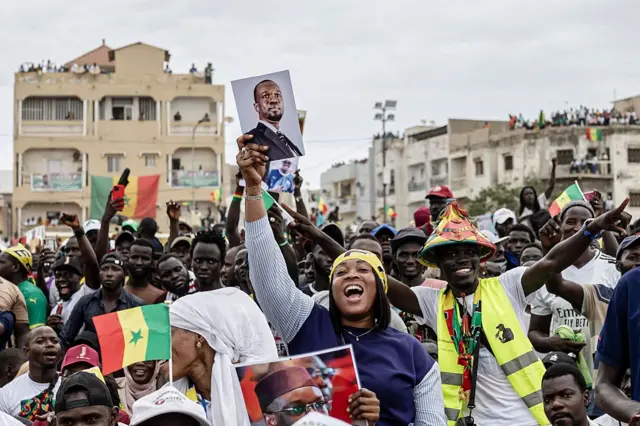
The dismissal of Ousmane Sonko may only be the beginning of a deeper political recomposition. The central question now is whether Bassirou Diomaye Faye can govern without the shadow of his former mentor.
If he fails to consolidate his own political base or maintain a parliamentary majority, his presidency could be weakened long before 2029. « If the National Assembly is dissolved in the coming months, we would face a new election and a moment of clarification. A defeat could destabilize the remainder of the presidential term, » Dione cautions.
The campaign slogan has vanished. Sonko must now demonstrate his ability to advance his political agenda outside the executive branch and secure the presidency. Meanwhile, Diomaye Faye must govern alone, consolidating his own loyal base. If he fails, the consequences for his mandate could be severe.