BÉNIN — POLITICAL SHIFT
Bénin: Romuald Wadagni takes office with 94% support as opposition voices fade
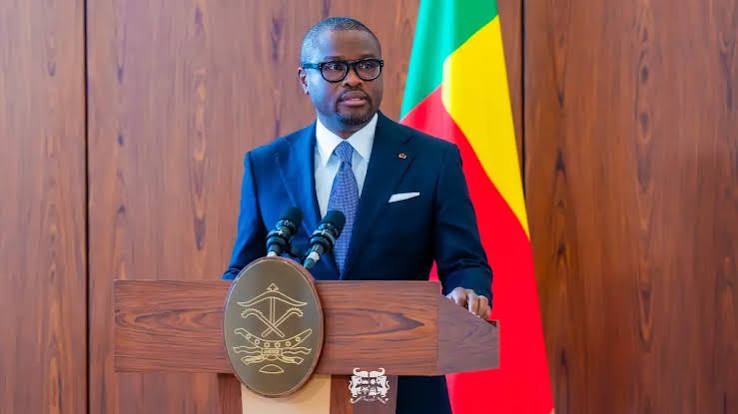
Romuald Wadagni was sworn in as Benin’s new president on May 24, inheriting a seven-year mandate amid a tightly controlled political landscape where opposition forces were notably absent from the vote.

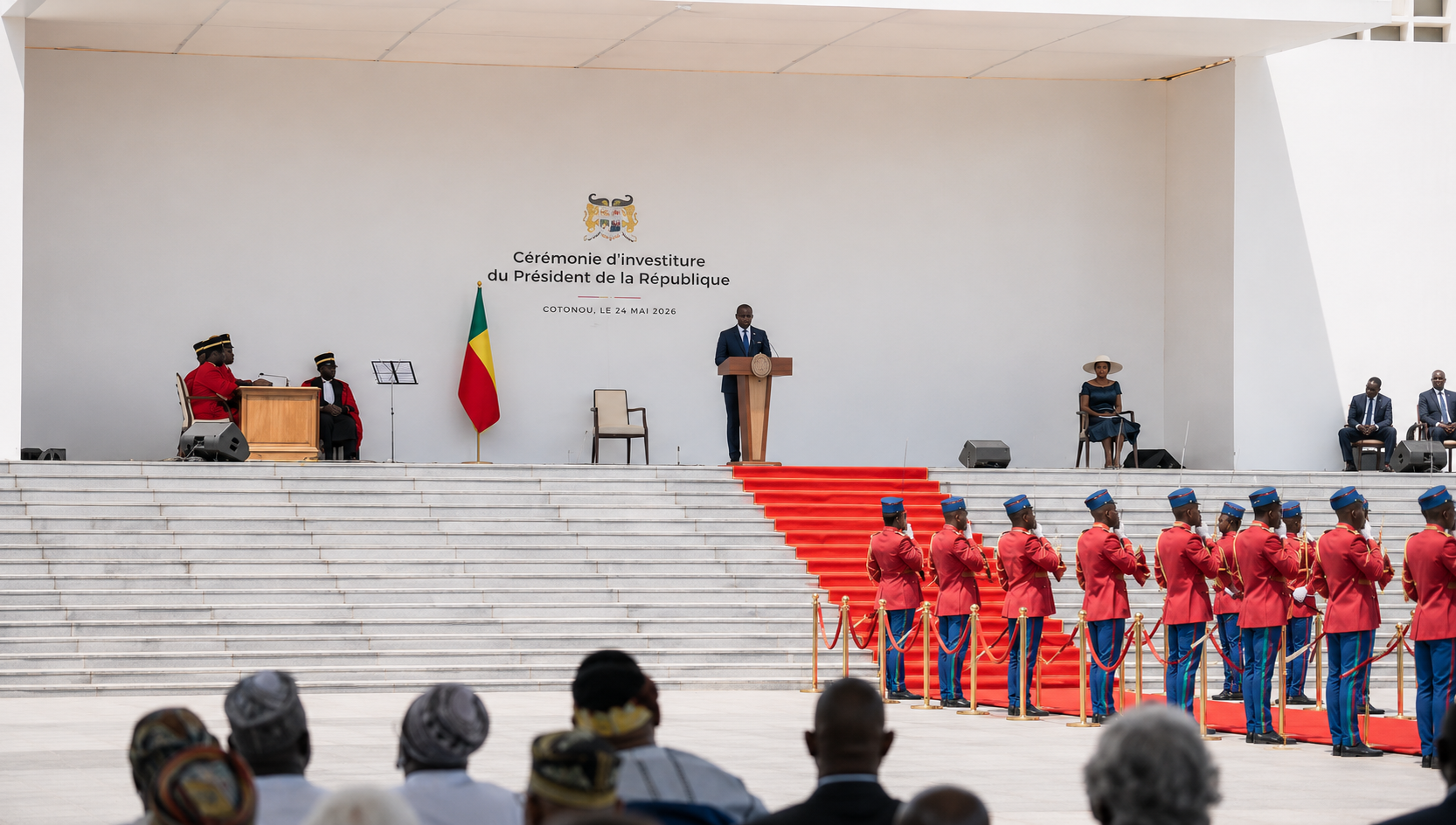
With 94% of the vote in an election where the main opposition party was barred from running, Benin’s political transition marks a decisive moment for West Africa’s democratic trajectory. Romuald Wadagni, former Finance Minister under Patrice Talon, took the oath of office at Cotonou’s Congress Palace on Sunday, May 24, positioning himself as the architect of economic continuity while signaling a cautious shift in regional diplomacy.
At 49, Wadagni becomes Benin’s fifth president since the 1990 democratic revival, succeeding Talon, who was constitutionally barred from seeking a third term. His victory on April 12, 2026, came in a single-round election against Paul Hounkpè of the Forces cauris pour un Bénin émergent (FCBE), with the constitutional court certifying his overwhelming mandate. His running mate, Vice President Mariam Chabi Talata, accompanied him in a ticket solidified by the 2019 constitutional revision, which extended presidential terms to seven years—a change enacted in 2025.
An economic steward inherits a contested legacy
Wadagni’s rise is rooted in his decade-long tenure as Talon’s Finance Minister, where he orchestrated multiple international bond issuances and maintained Benin’s sovereign credit rating. His profile aligns with the outgoing administration’s technocratic governance, emphasizing fiscal discipline and infrastructure-driven growth. Yet his presidency arrives at a time of heightened regional tensions, particularly in Benin’s northern border areas, where armed groups have escalated attacks since 2022.
On the domestic front, Wadagni pledged to translate economic growth into tangible benefits for families, prioritizing youth employment, women’s empowerment, rural development, and middle-class prosperity. His inauguration speech, delivered with rhythmic repetition—“to you, I say”—resonated across key demographics, including the diaspora and descendants of the transatlantic slave trade, whom he called to return to Benin’s “house of homecoming.”
A ceremony of protocol and political limits
The swearing-in ceremony unfolded with military precision from 9:30 AM to noon, culminating in Talon’s handover of presidential insignia. Constitutional court proceedings validated Wadagni’s oath before the presentation of the Grand Collar of the National Order and the command flag to the chief of staff. Over 6,000 guests attended, including former presidents Nicéphore Soglo and Thomas Boni Yayi, who were individually acknowledged by the new leader. Observers praised the flawless organization, though the event underscored a political climate where opposition influence has been systematically marginalized.
Opposition sidelined: a pattern of exclusion
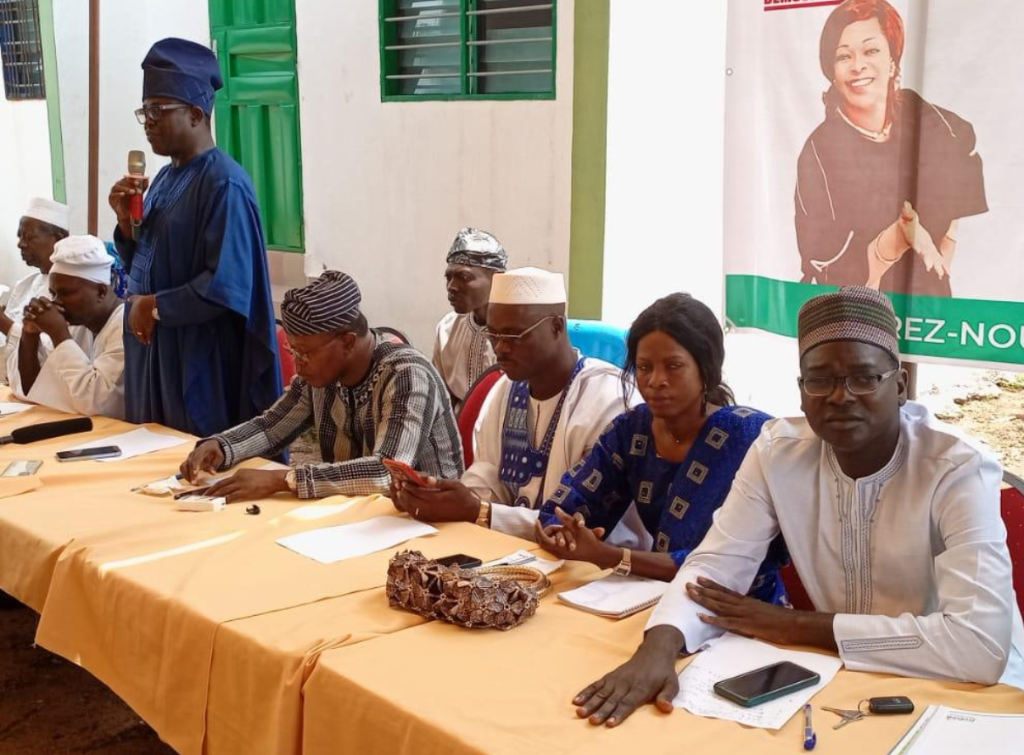
The exclusion of Les Démocrates, led by former president Thomas Boni Yayi, from the 2026 election followed a pattern of institutional barriers. In October 2025, the Autonomous National Electoral Commission invalidated the party’s candidacy due to missing parliamentary endorsements—just one short of the 28 required. A last-minute retraction by a supporting legislator sealed the fate of the ticket, a decision later upheld by the constitutional court. The episode extended a broader trend: opposition figures like Reckya Madougou (serving a 20-year sentence for “terrorism” since 2021) and academic Joël Aïvo (sentenced to a decade for “conspiracy”) remain imprisoned, while party leaders have fled into exile.
Institutional hurdles further tightened the political space. High registration fees, state-controlled compliance certificates, and a 2025 reform requiring parties to secure at least 20% of votes per district to retain seats drastically reduced opposition representation. In January 2026 legislative elections, Les Démocrates failed to secure a single parliamentary seat.
Diplomatic overtures to a fractured Sahel
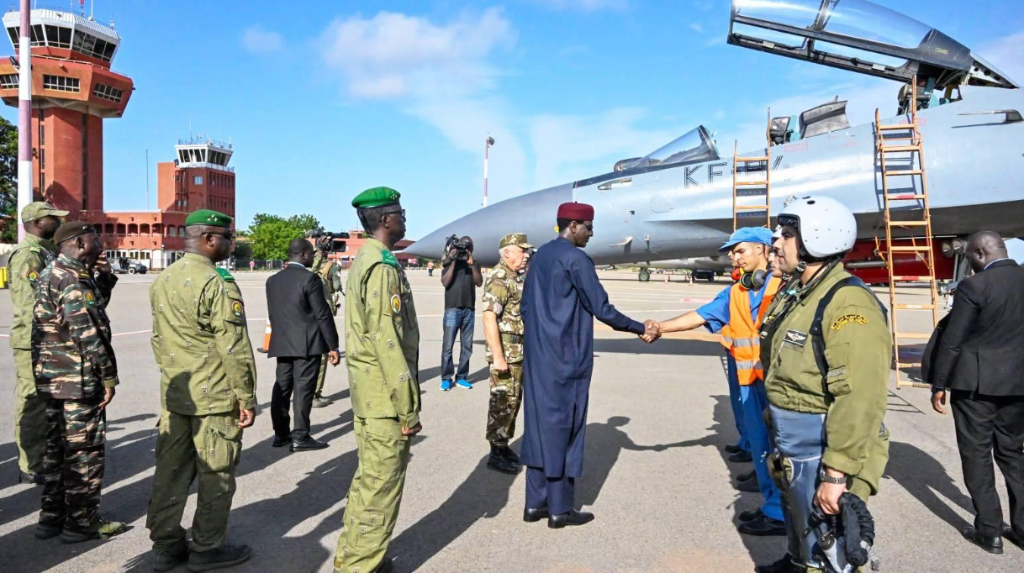
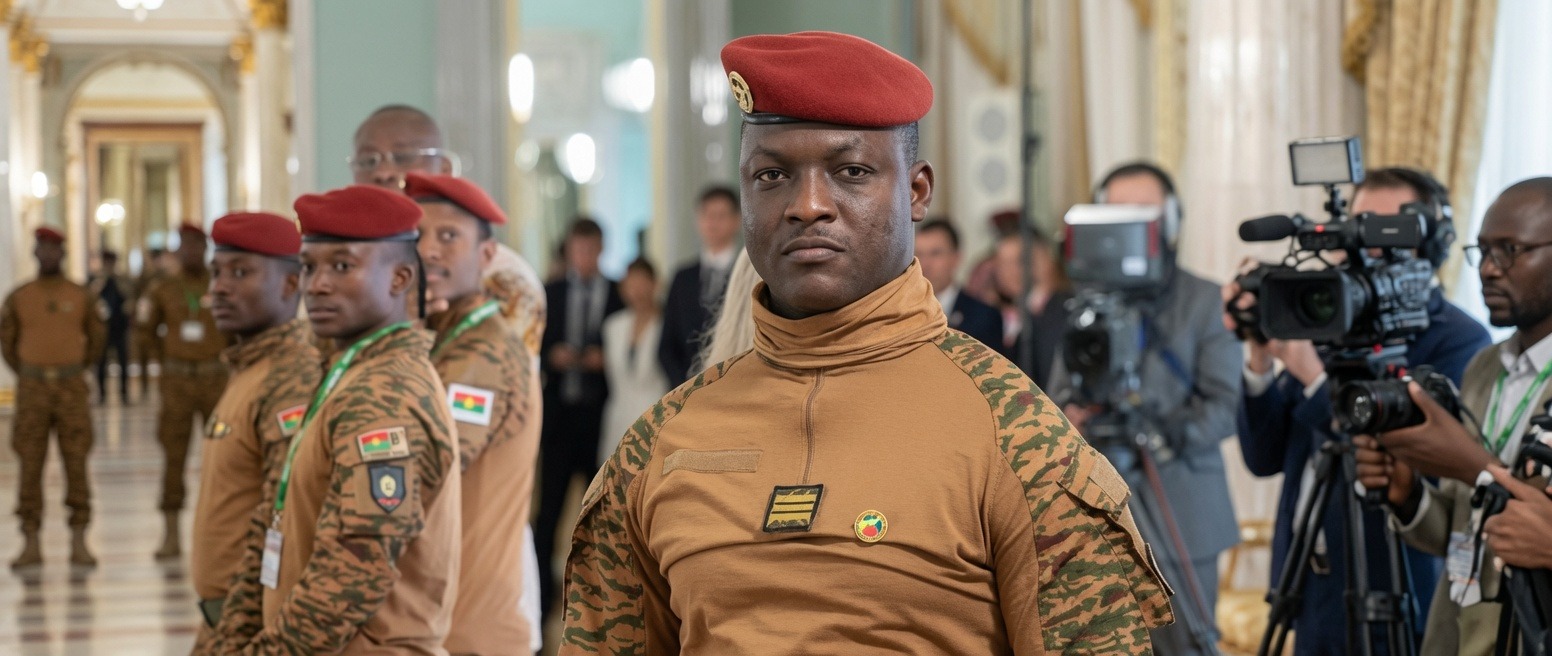
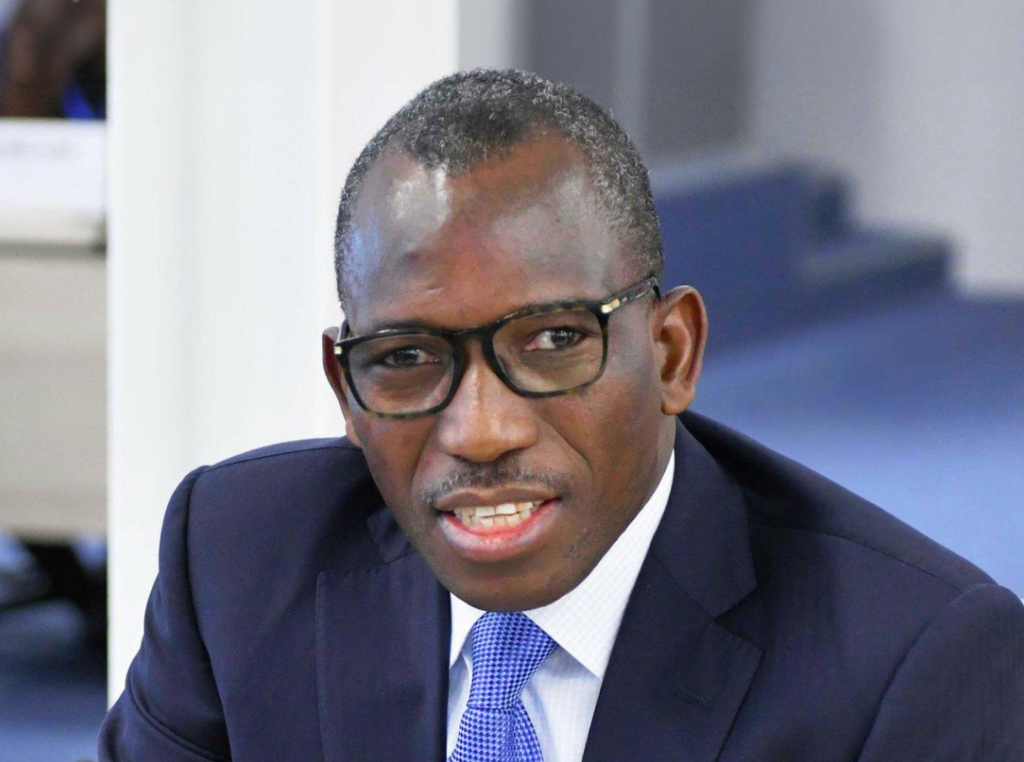
Wadagni’s address introduced a subtle but significant pivot in Benin’s regional posture. While protocol traditionally restricts foreign heads of state at inaugurations, sixteen international delegations attended, including representatives from the Alliance of Sahel States (AES)—Malian Foreign Minister Abdoulaye Diop, Burkinabè counterpart Karamoko Jean-Marie Traoré, and Nigerien Prime Minister Ali Mahaman Lamine Zeine. Nigerian Vice President Kashim Shettima attended as Bola Tinubu’s special envoy. The prolonged applause for Niger’s premier signaled a thaw in relations, despite years of tension following the July 2023 coup in Niamey. Bilateral ties had frayed over border closures and disputes over oil pipeline transit fees, but Wadagni’s conciliatory tone suggested a willingness to re-engage with military-led regimes in the Sahel.
Domestically, Wadagni’s focus on women’s representation was underscored by the presence of Vice President Chabi Talata, the highest-ranking female official in Benin’s history. His speech framed inclusivity as a national priority, though critics argue his mandate’s legitimacy is undermined by the absence of competitive elections.
What to watch in the coming months
Three key developments will test Wadagni’s leadership. First, the composition of his cabinet—expected within days—will reveal whether he distances himself from Talon’s inner circle. Second, the fate of imprisoned opposition figures could become a barometer for democratic freedoms; calls for amnesty from Les Démocrates may force a decisive move. Third, the trajectory of Benin’s relations with the AES hinges on concrete gestures, including potential visits to Niamey, Bamako, or Ouagadougou. With a seven-year term and a reshaped institutional framework, Benin stands at a crossroads: can stability coexist with pluralism in a system where economic success is praised by donors but political dissent is increasingly criminalized?