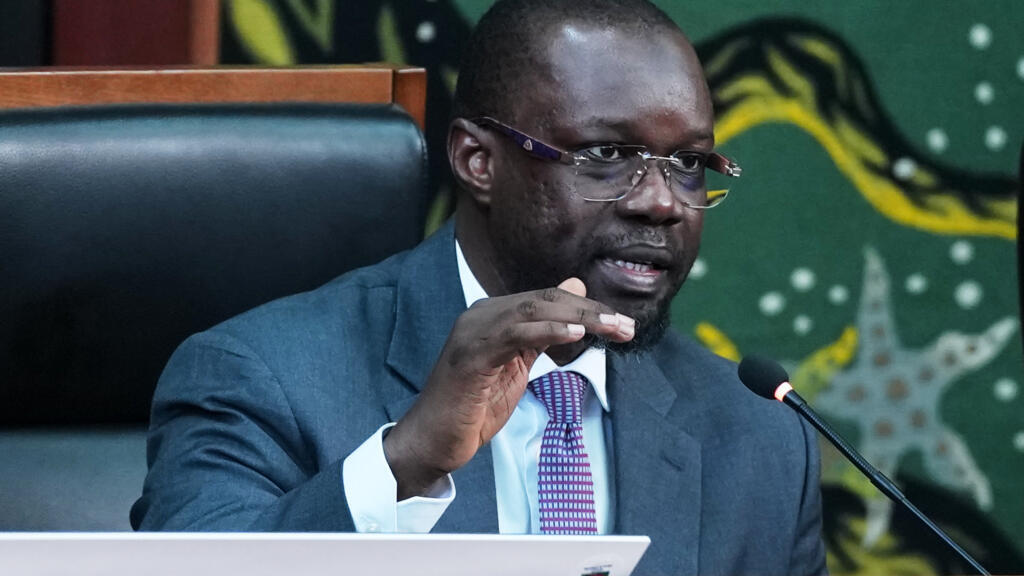
Senegal’s political landscape shifts as Sonko takes Assembly leadership
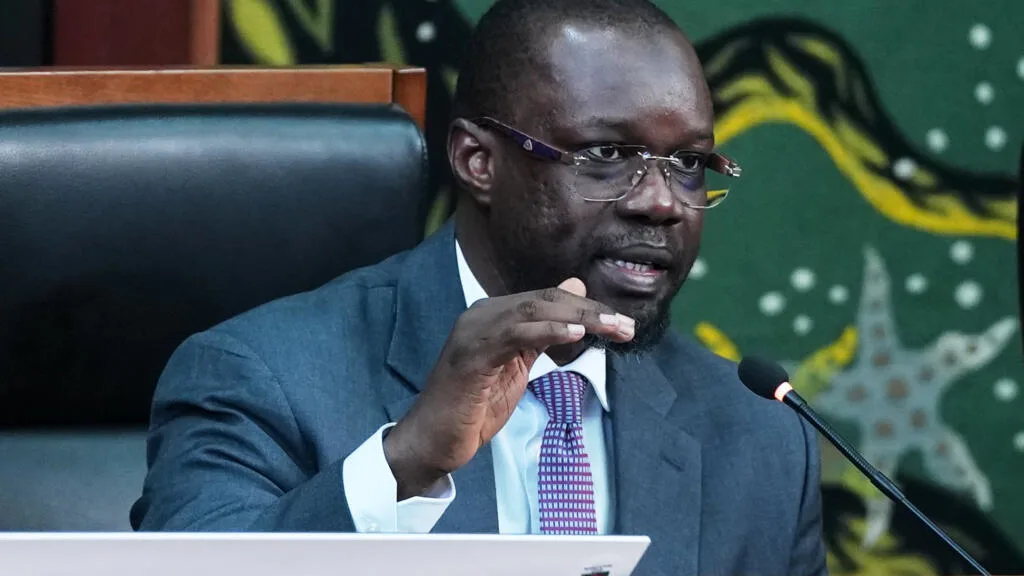
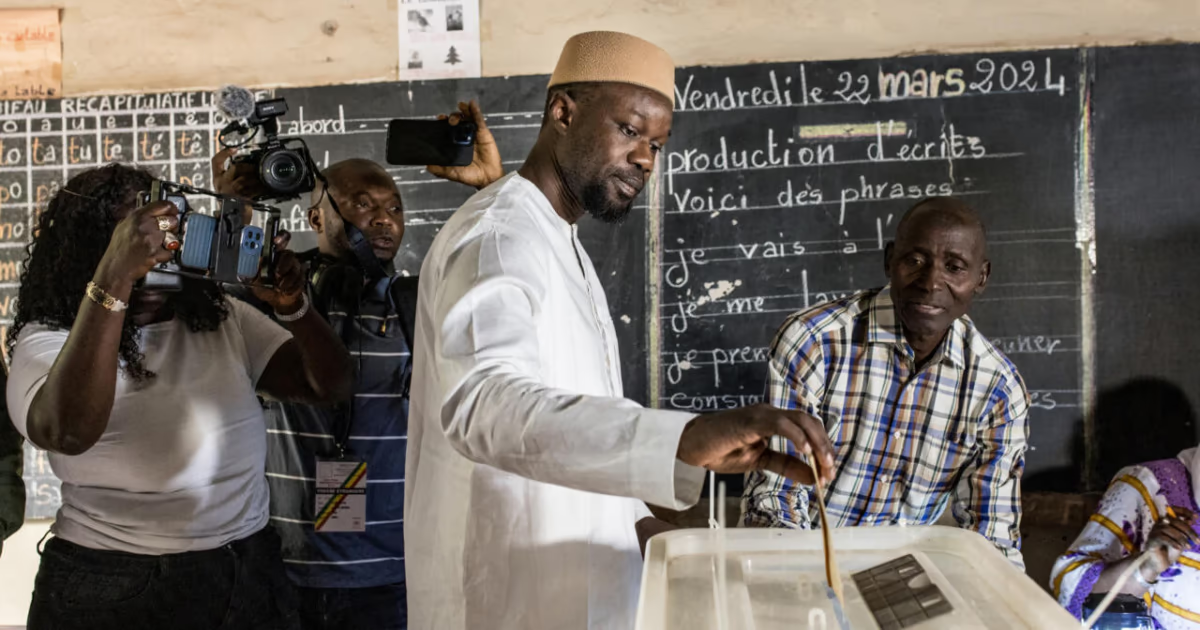
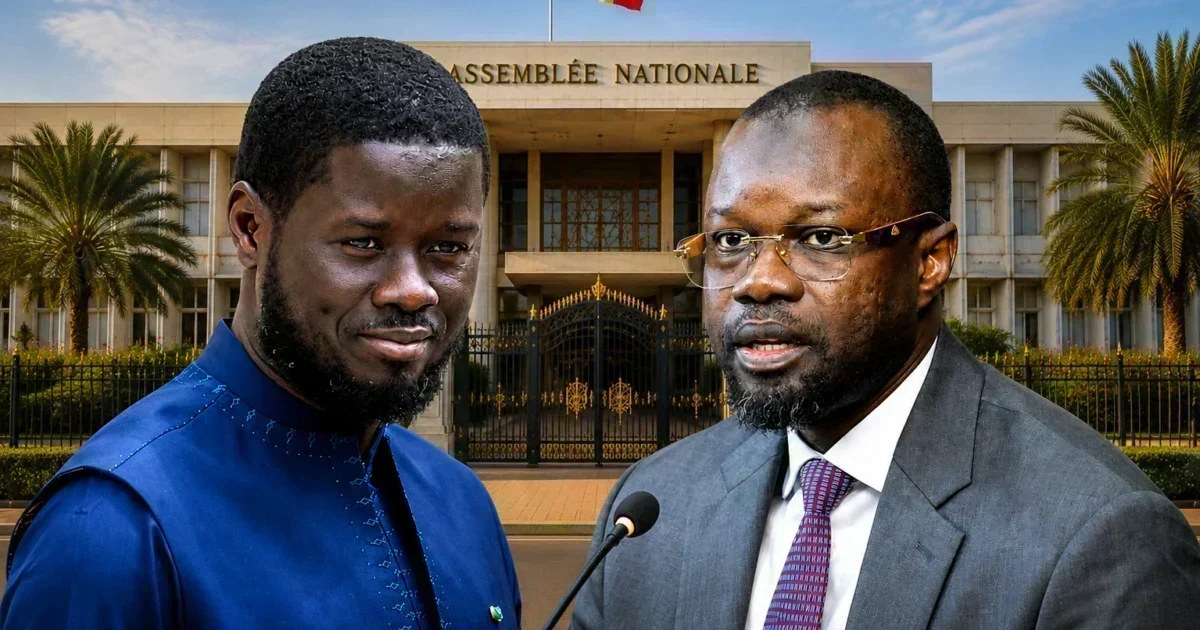
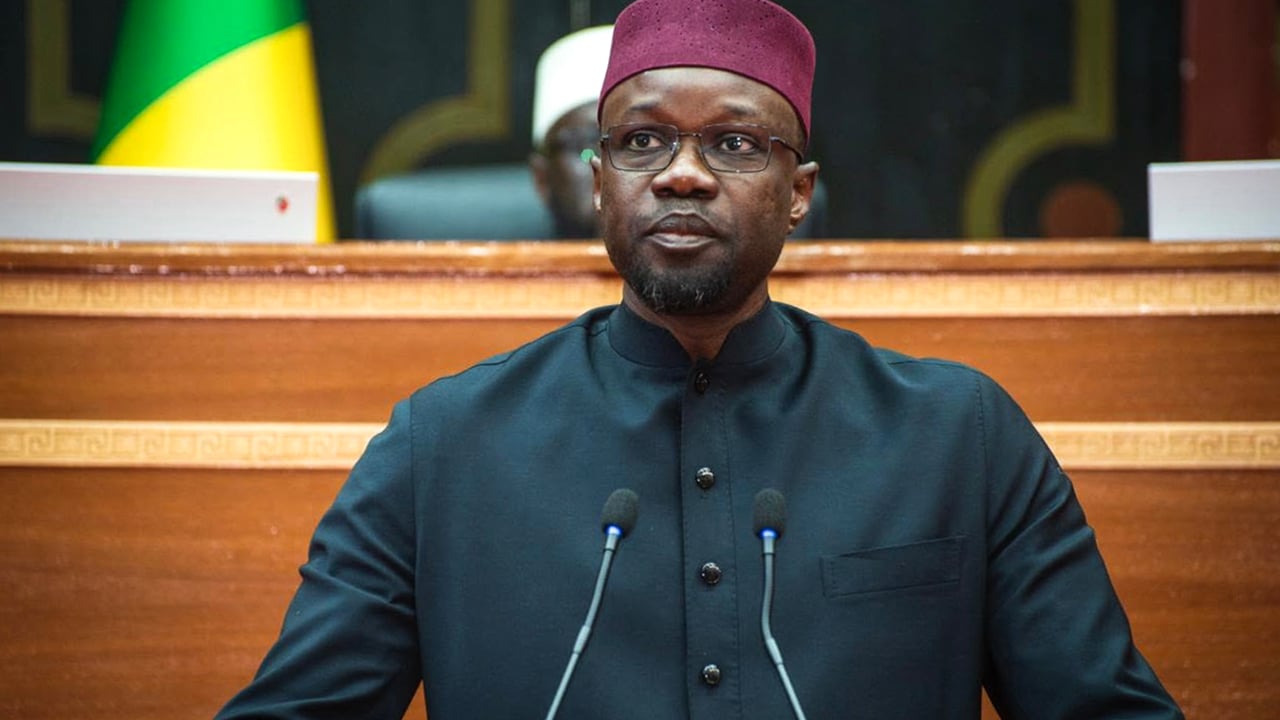
When Ousmane Sonko assumed leadership of Senegal’s National Assembly on Tuesday, he framed the move not as a political demotion but as a reinvigoration of his public mandate. Speaking with characteristic resolve, he emphasized his “popular legitimacy” and dismissed suggestions of personal vendettas or institutional chaos.
In a conciliatory tone aimed at the executive branch, Sonko pledged strict oversight of government actions and reserved the right to deploy all available checks and balances in case of disagreements. His message was clear: transparency would guide his tenure, even as tensions with President Bassirou Diomaye Faye persisted.
An “unprecedented” cohabitation period
Political analysts describe this power-sharing arrangement as “unprecedented” in Senegal’s recent history. Ellimane Haby Kane, director of the think tank Legs Africa, notes that while Sonko may appear diplomatic, his ultimate goal is to assert control over the executive branch. The dispute over the president’s failure to consult the Pastef party before naming the Prime Minister and cabinet underscores the ongoing power struggle.
By Tuesday evening, a Pastef statement revealed initial contacts between the presidency and party members regarding government formation—followed swiftly by conditions set for their participation. The stage is set for a tense but potentially transformative chapter in Senegal’s political landscape.