During a working visit to Diourbel in central Senegal, Minister Moussa Balla Fofana reignited a decades-old debate that sits at the intersection of social policy, religious tradition, and state responsibility: the systemic issue of child talibés begging in public spaces. The government official emphasized that this challenge remains one of the most delicate in Senegalese society, signaling renewed commitment from the executive branch to address a problem deeply embedded in the nation’s social fabric.
Diourbel: a symbolic ground zero in the talibé debate
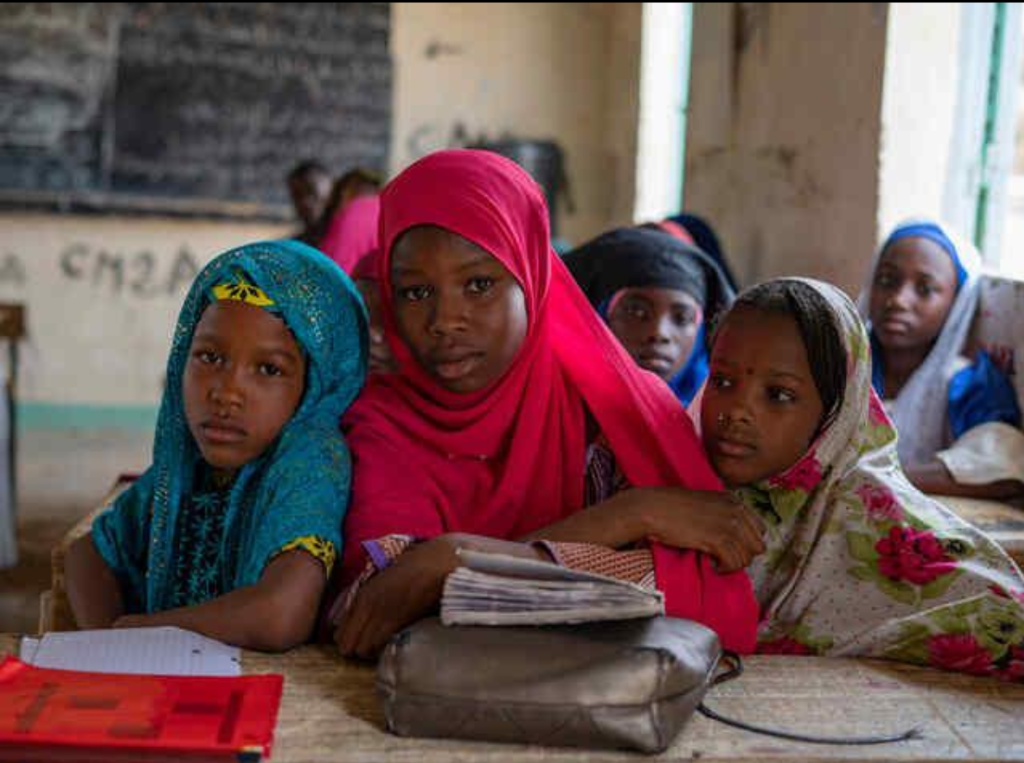
The selection of Diourbel as the focal point for this intervention is far from accidental. Nestled near Touba and at the heart of the Mouride religious basin, this region hosts a dense network of daaras—traditional Quranic schools that enroll thousands of children, many hailing from across Senegal and neighboring countries. It is within this religious and educational ecosystem that the practice of sending minors into streets to beg for daily alms under the guise of religious instruction has taken root and persisted.
By acknowledging the sensitivity of this issue, Moussa Balla Fofana underscores the delicate balance required. Public discourse on talibés must navigate the reverence owed to Sufi brotherhoods, the social standing of Quranic teachers, and the state’s obligation to protect vulnerable children from street hazards, accidents, and various forms of exploitation. Over the years, authorities have repeatedly announced plans to remove children from public spaces, yet these efforts have failed to produce lasting change.
An issue straddling social welfare and state authority
The minister highlighted the structural nature of the problem, revealing layers that extend beyond visible street begging. At its core lie rural poverty, internal migration, inadequate governance of Quranic schools, and systemic failures in child protection. Despite successive government pledges since the early 2000s to modernize daaras, progress remains uneven. Legal frameworks—such as the child protection code and penal provisions against forced begging—exist on paper, yet their enforcement often hinges on fragile local power dynamics.
For the new administration that emerged from the 2024 political transition, this issue serves as a critical political test. President Bassirou Diomaye Faye’s government has positioned social recovery as a central pillar, promising renewed focus on youth development, skills training, and family dignity. Confronting the talibé crisis head-on means challenging a deeply entrenched social equilibrium—one few governments have dared to disrupt. Child rights advocates have long warned about appalling conditions in urban daaras, where overcrowding, violence, and lack of healthcare have been repeatedly documented in recent NGO reports.
What immediate public response can be expected
The minister’s address to local stakeholders suggests that policy decisions are in the pipeline. Three key strategies typically emerge in government roadmaps: modernizing and regulating daaras, strengthening state oversight of child migration flows, and providing socio-economic support to the poorest households—who often serve as the primary recruitment pool for talibés. The success of any public policy in this domain will hinge on the government’s ability to engage constructively with religious authorities, particularly in Touba, Tivaouane, and Médina Baye, without fracturing the ongoing dialogue.
A critical question remains unanswered: resources. Removing children from streets, ensuring their schooling, and providing potential nutritional support in reformed daaras demand sustained funding and a robust inter-ministerial coordination mechanism involving Education, Family Affairs, Interior, and Justice. Without centralized leadership, short-term street removal campaigns—already attempted in Dakar—have consistently seen children return to begging within weeks.
Minister Moussa Balla Fofana’s visit to Diourbel marks a deliberate shift: moving the conversation from ministerial offices in the capital to the communities most affected. The challenge now is to translate these words into a concrete action plan, a demand echoed by child protection organizations and affected families alike. Insiders report that the minister has pledged to continue consultations with local stakeholders to build a sustainable path forward.