Senegal’s stance on homosexuality: No retreat under Western pressure
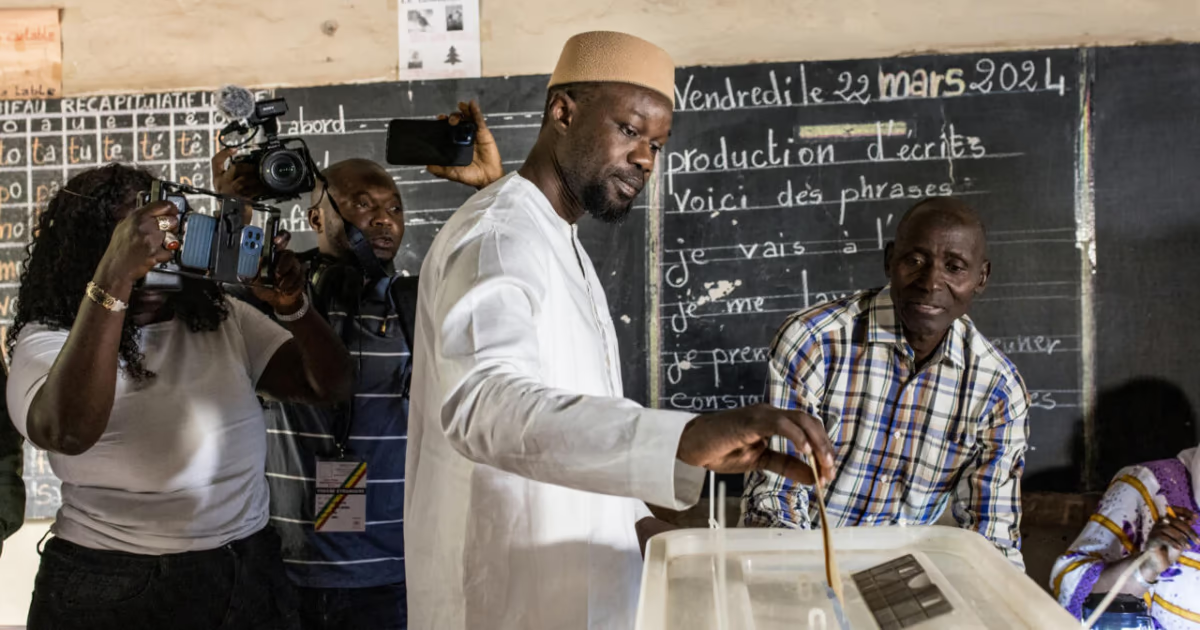
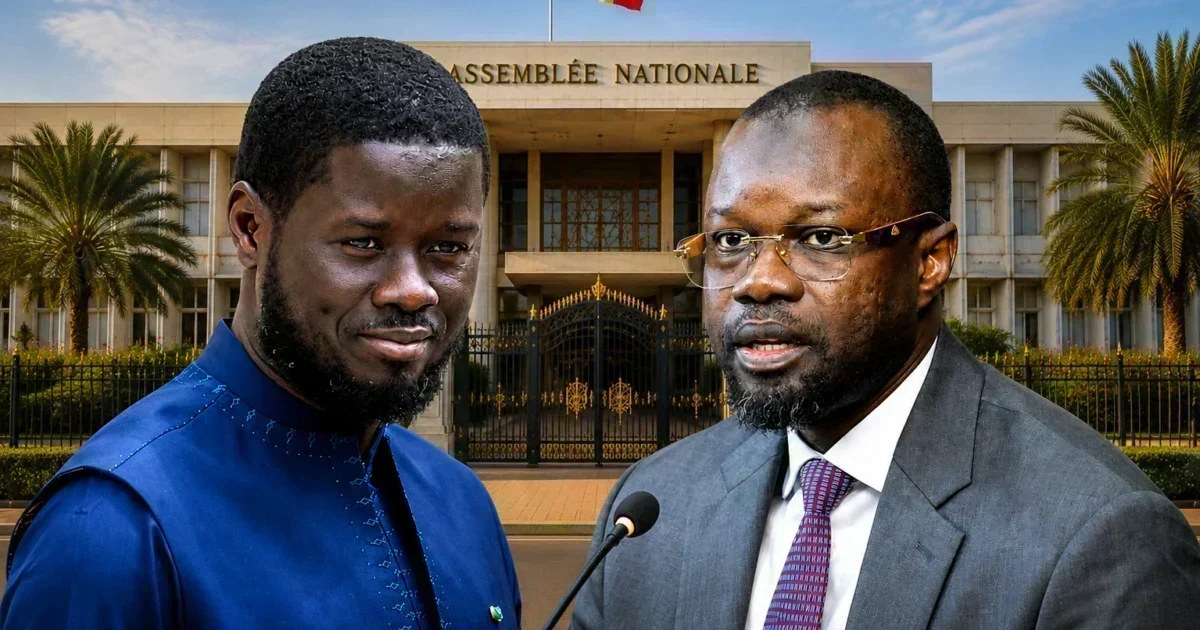
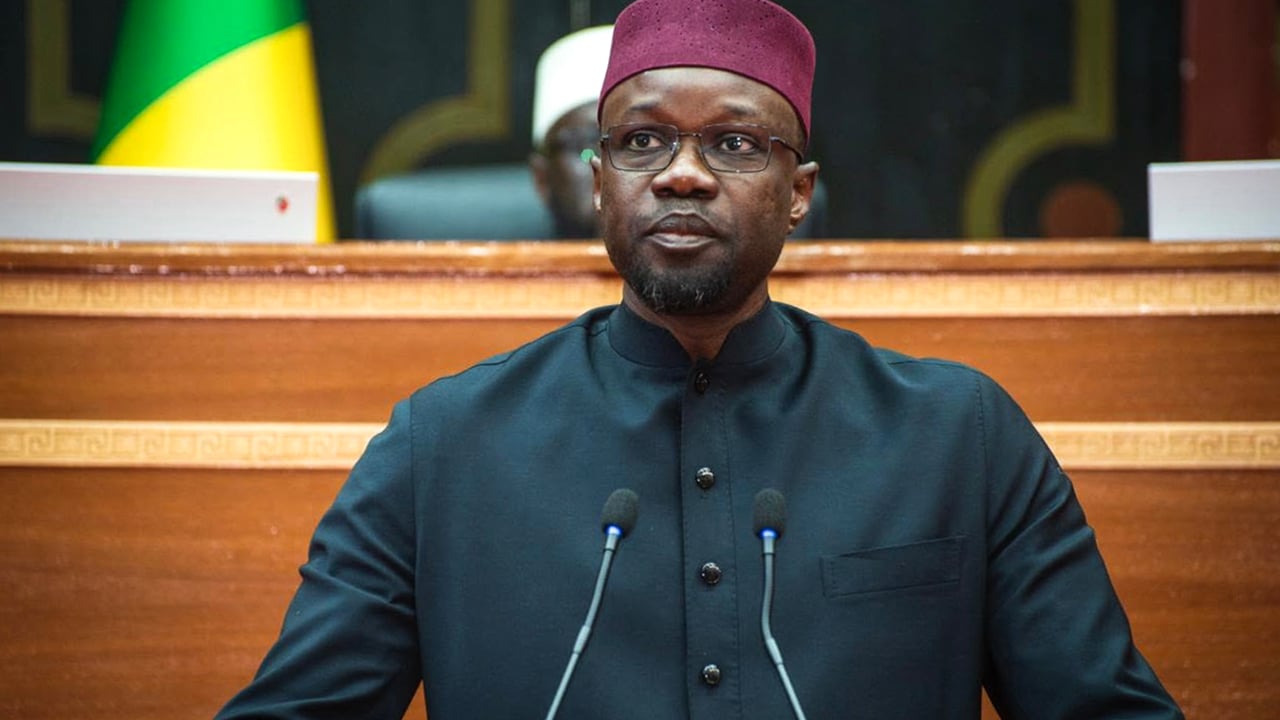
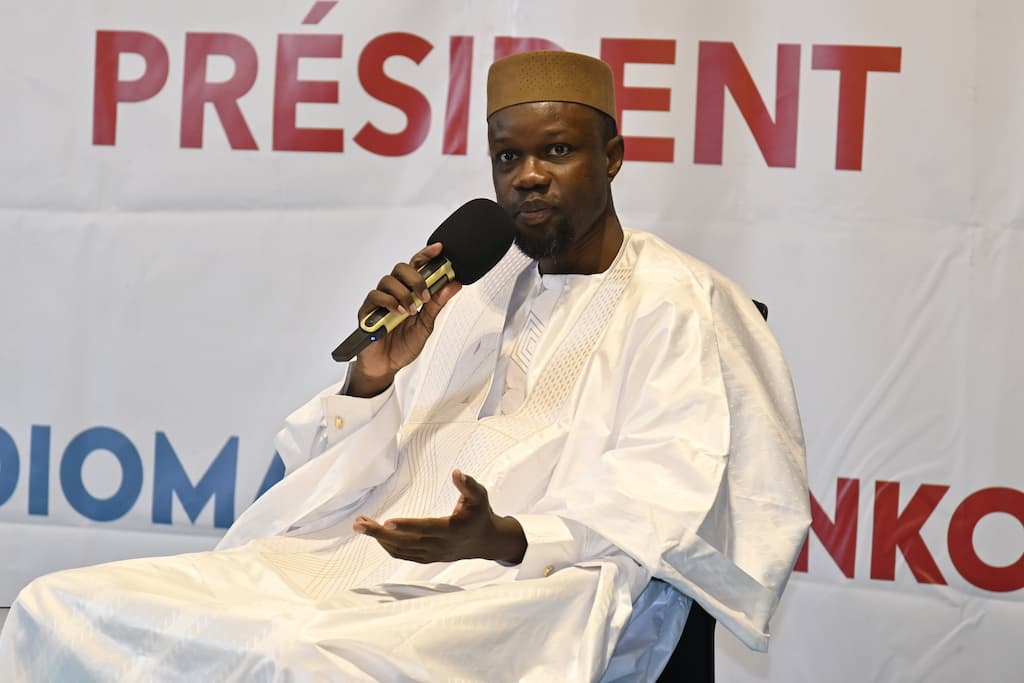
The debate over homosexuality in Senegal has taken a sharp turn as Prime Minister Ousmane Sonko publicly rejected Western demands to soften laws against same-sex relations. Speaking before lawmakers on Friday, May 22, he condemned what he described as an attempt to impose foreign cultural values on Senegalese society.
This declaration follows the recent strengthening of legislation targeting homosexuality in the country. Since the new law was enacted on March 31 under President Bassirou Diomaye Faye, penalties for same-sex relationships have doubled, now ranging from five to ten years in prison. The move comes amid rising social tensions and multiple arrests linked to alleged homosexual acts.
Prime Minister Sonko’s strong words against Western interference
Addressing Parliament, Ousmane Sonko did not mince his words. He described the push from Western nations as a form of cultural imperialism, stating: « There is a kind of tyranny at play. » He argued that a small group of Western countries, through their economic and media influence, seeks to impose acceptance of homosexuality on nations like Senegal.
« Why should we accept their conditions? » he questioned, adding that while Western nations may choose their own path, Senegal will not be lectured on moral or legal matters. The Prime Minister specifically called out France, accusing it of hypocrisy and unnecessary interference in Senegal’s internal affairs.
No compromise on the horizon
Ousmane Sonko made it clear that Senegal has no intention of easing its stance. He firmly stated that the new law will be fully enforced, warning that if further tightening is needed, the government would not hesitate to act. « If the law needs to be strengthened, it will be, » he declared, leaving no room for doubt about the government’s resolve.
The Prime Minister also contrasted Western criticism with the silence of Asian, African, and Arab nations, suggesting that the West’s agenda is not universally shared. For many in Senegal, this hardening of laws reflects deeply rooted cultural and religious values, which the government appears determined to uphold.