Mali’s future hinges on negotiations with armed factions, says Bruno Fuchs
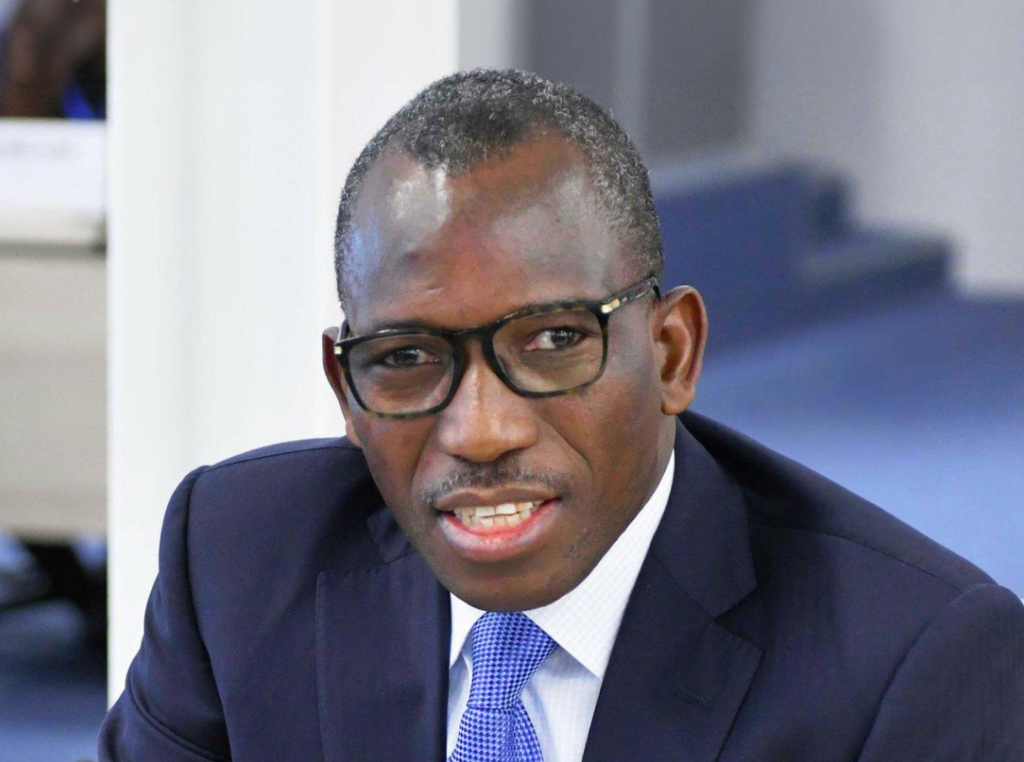
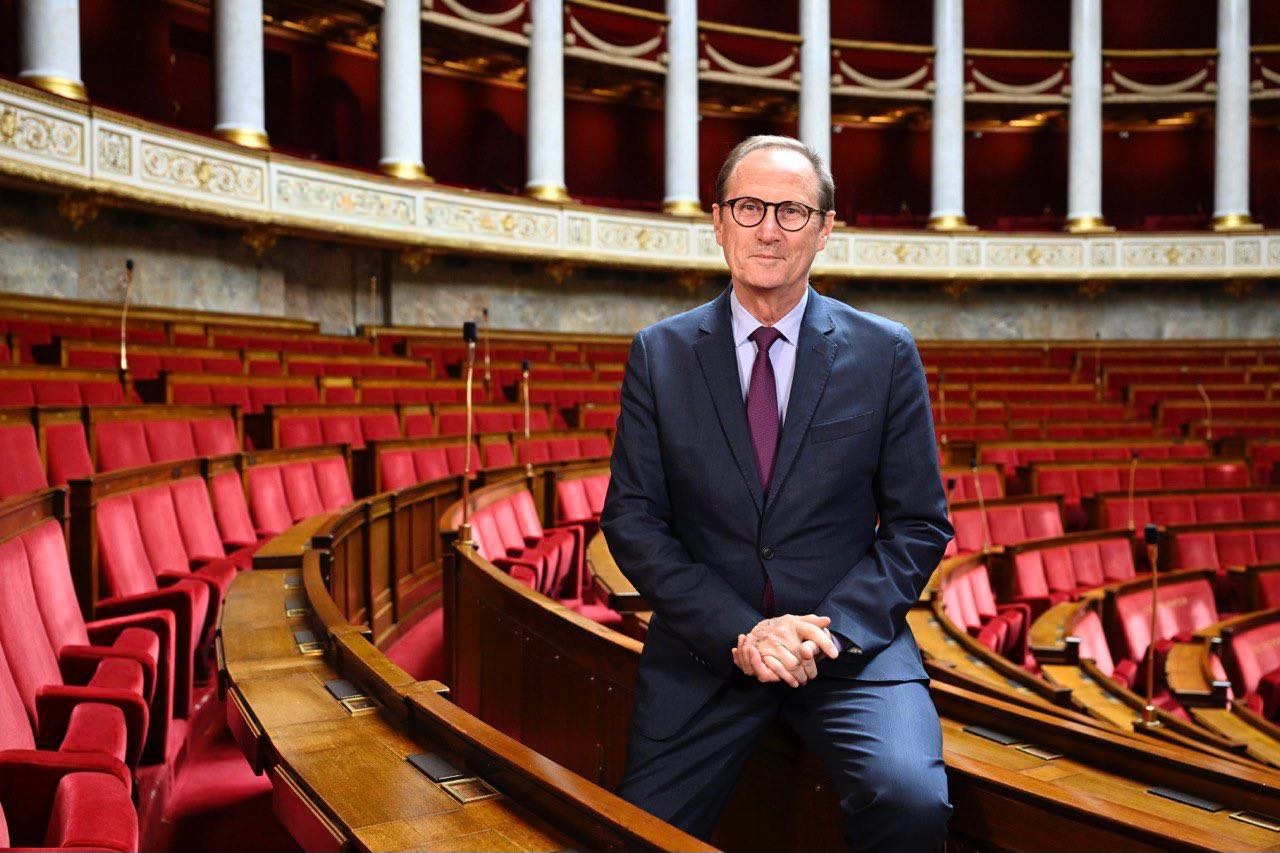
The Mali crisis has taken a new turn as French lawmaker Bruno Fuchs, Chair of the National Assembly’s Foreign Affairs Committee, openly advocated for direct negotiations between Bamako’s transitional authorities and armed groups operating in the country. Speaking in an exclusive interview, Fuchs dismissed previous military-focused approaches, arguing that sustained dialogue remains the only viable path to stability in the West African nation.
France’s shifting stance on Mali’s conflict
Fuchs, who frequently accompanies President Emmanuel Macron on international visits, challenged long-held assumptions about France’s role in the Sahel. While acknowledging historical tensions—such as the CFA franc controversy and visa restrictions—he emphasized that rebuilding trust requires more than symbolic gestures. His remarks, however, revealed a lingering contradiction: a desire to move beyond colonial-era ties while maintaining a strategic interest in countering Russian influence in the region.
The lawmaker’s comments on Mali’s transitional government were particularly pointed. Referencing the April 25 complex attack that targeted foreign interests, Fuchs suggested that Moscow’s presence in Bamako is weakening. “The departure of French troops was a strategic misstep by Mali’s military leadership,” he asserted, echoing Macron’s recent remarks in Nairobi. When pressed on whether Paris welcomed setbacks faced by Russian forces in northern Mali, Fuchs sidestepped the question, instead reiterating that “France’s exclusion has proven counterproductive.”
Two possible paths for Mali’s future
According to Fuchs, Mali stands at a crossroads with two potential trajectories. The first involves an immediate transition to civilian rule through negotiations with armed factions. Under this scenario, a caretaker administration—led by a military figure other than Assimi Goïta—would oversee elections within three to six months. Yet the proposal raises immediate concerns: How could a government, formed under pressure from Islamist militants, ensure fair representation and security for all Malians?
The second scenario, which Fuchs described as “the ultimate nightmare,” would mirror Afghanistan’s descent into chaos. With neighboring countries like Guinea, Senegal, Côte d’Ivoire, Bénin, and Togo at risk of spillover violence, he warned of regional destabilization. “An Afghanistan-style outcome in the heart of the Sahel would have consequences far beyond Mali’s borders,” he cautioned.
Can the JNIM be integrated into Mali’s political process?
The most contentious part of Fuchs’ proposal centers on the Jama’at Nusrat al-Islam wal Muslimin (JNIM), an al-Qaeda-affiliated coalition that has fought French forces for years. Surprisingly, Fuchs claimed that the group may be willing to lay down arms—not to seize power, but to participate in governance. “JNIM has signaled readiness to stop armed confrontation if granted a political role,” he stated, though he did not explain why the group would settle for anything less than dominance given its battlefield strength.
This assertion raises critical questions: Would such an arrangement empower extremists while marginalizing other communities? Fuchs proposed a federated model inspired by Nigeria, where some regions could enforce Sharia law while others maintain secular governance. Yet critics argue this approach risks fragmenting Mali along religious and ethnic lines—a recipe for long-term instability.
Russia’s role and the scramble for Mali’s resources
Fuchs also claimed that Russian forces are negotiating their withdrawal from Bamako, citing intelligence that suggests Moscow is eager to salvage its economic interests—particularly gold mining operations—before exiting. “Russia wants guarantees before leaving, but its legitimacy in Mali’s extractive sector remains questionable,” he observed. His remarks underscored France’s insistence on maintaining control over strategic resources, positioning Paris as the more “reliable” partner compared to Washington or Moscow.
Ironically, Fuchs cited Central African Republic as an example of successful normalization with a regime allied with Russian mercenaries. “We must learn to work with all actors, even those we disagree with,” he concluded—though his stance seems to exclude leaders of the Alliance of Sahel States, whom Paris continues to criticize.
The lawmaker’s proposals leave more questions than answers. While dialogue may offer a way forward, the challenge lies in ensuring that any political settlement serves the interests of Malians—not foreign agendas.