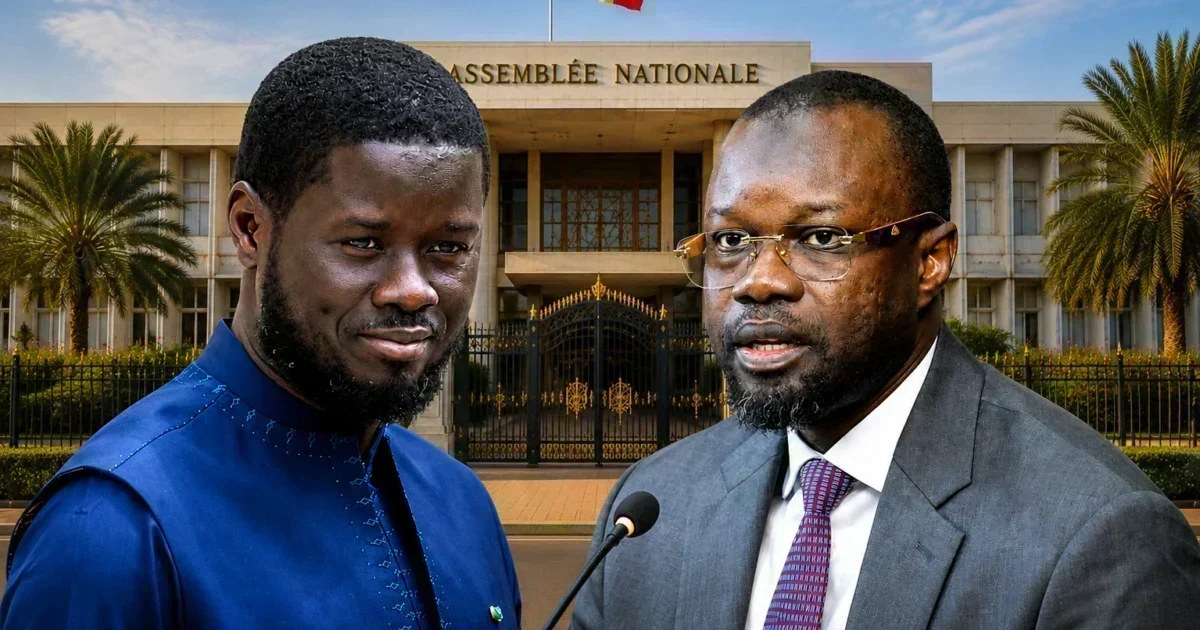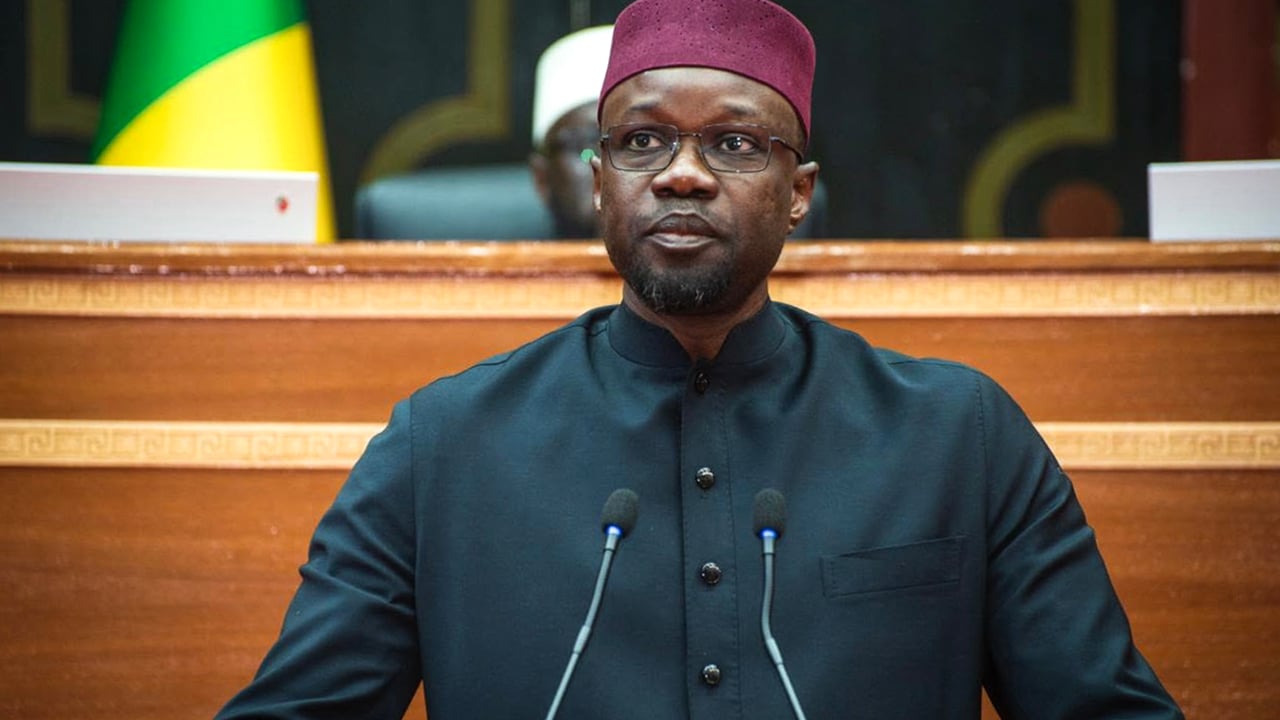
The long-anticipated political crisis in Sénégal has now reached a decisive turning point. In Dakar, President Bassirou Diomaye Faye has terminated the mandate of Prime Minister Ousmane Sonko, putting an end to a partnership that, until recently, had seemed unbreakable. The former head of government, founder of the Pastef party, has since pivoted to parliamentary strategy, leveraging the majority his movement secured in the snap legislative elections.
The collapse of an uneasy executive cohabitation
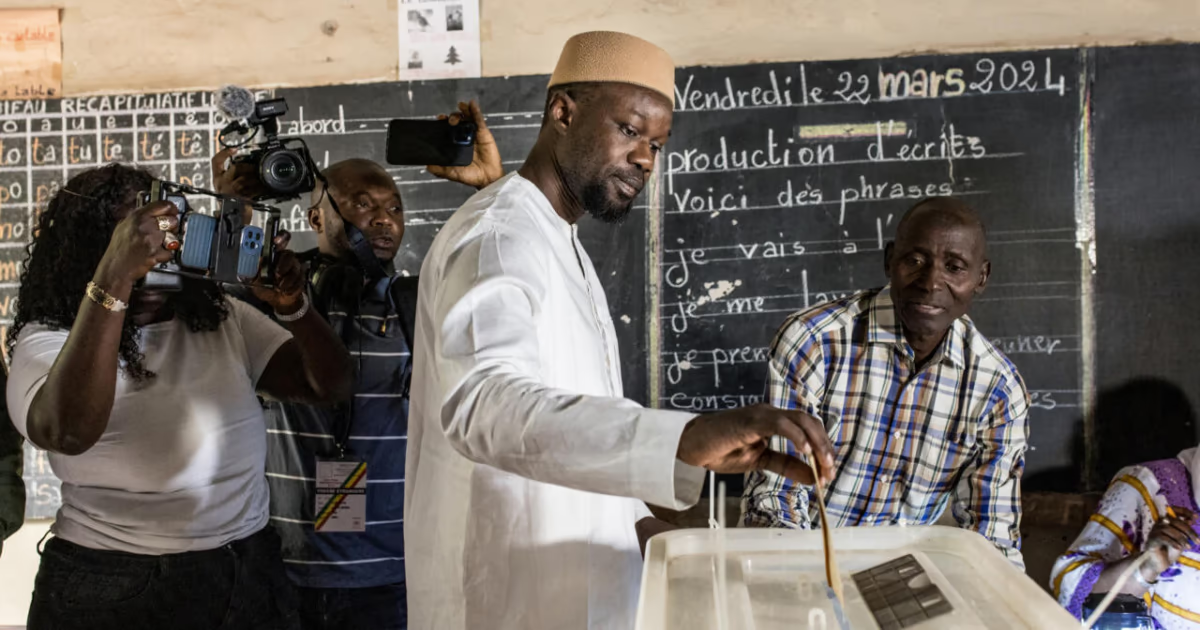
The Diomaye-Sonko tandem, forged in the aftermath of the March 2024 presidential election, represented an unprecedented political experiment in West Africa. The president, who rose to power as a substitute candidate after his mentor’s ineligibility, had pledged to govern collaboratively. This fragile arrangement—balancing institutional legitimacy with partisan authority—was praised as democratic innovation, yet it carried the seeds of its own unraveling.
Over time, tensions escalated over key issues: the pace of institutional reforms, the management of legal cases inherited from the Macky Sall administration, economic policy, and the delivery of campaign promises. As the president consolidated his authority, the prime minister’s room for maneuver steadily shrank. Senegal’s constitutional framework, which grants the head of state ultimate decision-making power, offered no viable path for a dual leadership where both figures claimed a share of the popular mandate won in 2024.
Sonko’s parliamentary pivot as a power play
Despite his dismissal, Ousmane Sonko has not retreated from the political stage. By retaining control of the parliamentary majority, he is repositioning himself within the National Assembly, transforming it into both a political command center and a platform for institutional opposition. This move echoes similar strategies used by African leaders who, sidelined from executive roles, turned legislatures into enduring bastions of influence.
For President Diomaye Faye, this shift creates a complex governance challenge. With a parliamentary bloc still aligned with Sonko, the president’s ability to advance legislation—whether on budgets, reforms, or key policy initiatives—will be severely constrained. The selection of a new government and the implementation of promised reforms now hinge on a delicate internal power balance within the ruling coalition.
What lies ahead for Sénégal
The rupture between the two leaders transcends personalities—it challenges the coherence of the Pastef’s sovereignist agenda, spanning oil and gas contract renegotiations, the future of the CFA franc, public finance audits, and migration policy. International partners—from the International Monetary Fund to energy investors in fields like Sangomar and Grand Tortue Ahmeyim—will closely monitor the country’s institutional stability, especially as Sénégal has long been regarded as a democratic model in the region.
Regionally, the fallout arrives at a pivotal moment. The Economic Community of West African States (ECOWAS) is still grappling with the aftermath of the Sahel states’ withdrawal into the Alliance of Sahel States. Dakar, which had positioned itself as a mediator under Diomaye Faye’s leadership, may now see its diplomatic influence weakened by domestic upheaval. Whether the president can rally a new government capable of restoring stability—or whether Sonko’s loyal base takes to the streets—remains uncertain.
Sénégal now stands at a crossroads, with the outcome poised to reshape the trajectory of the country’s second democratic transition. The political landscape has shifted, and the path forward is anything but clear.