
Senegal’s debt burden and the IMF’s shadow
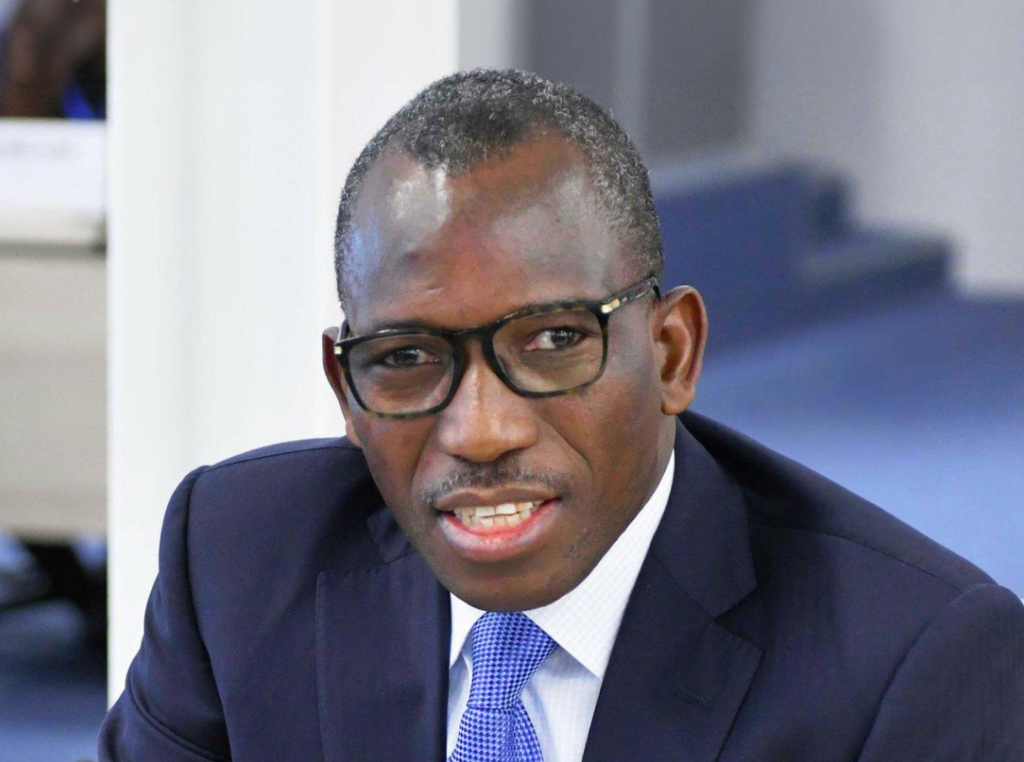
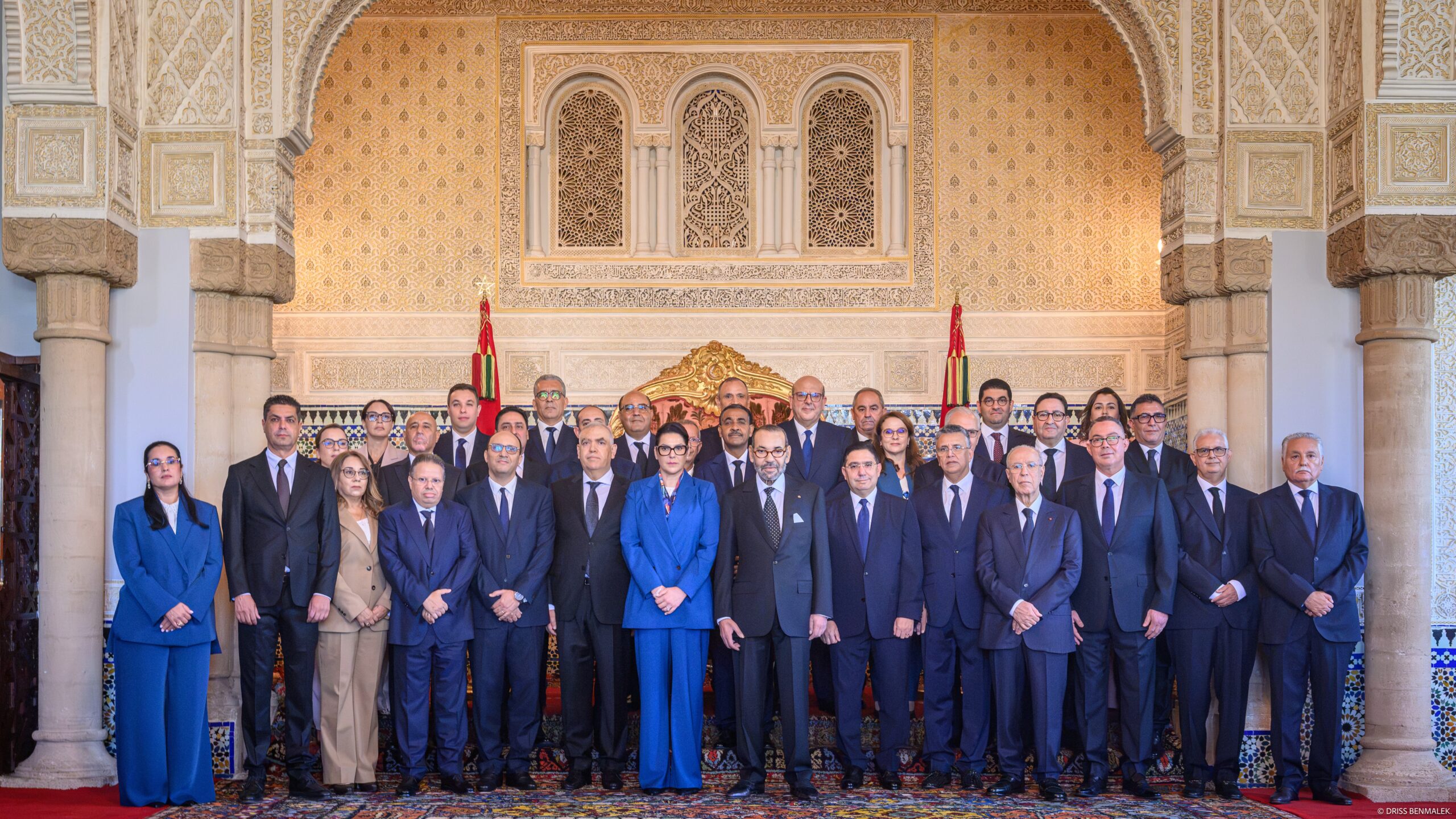
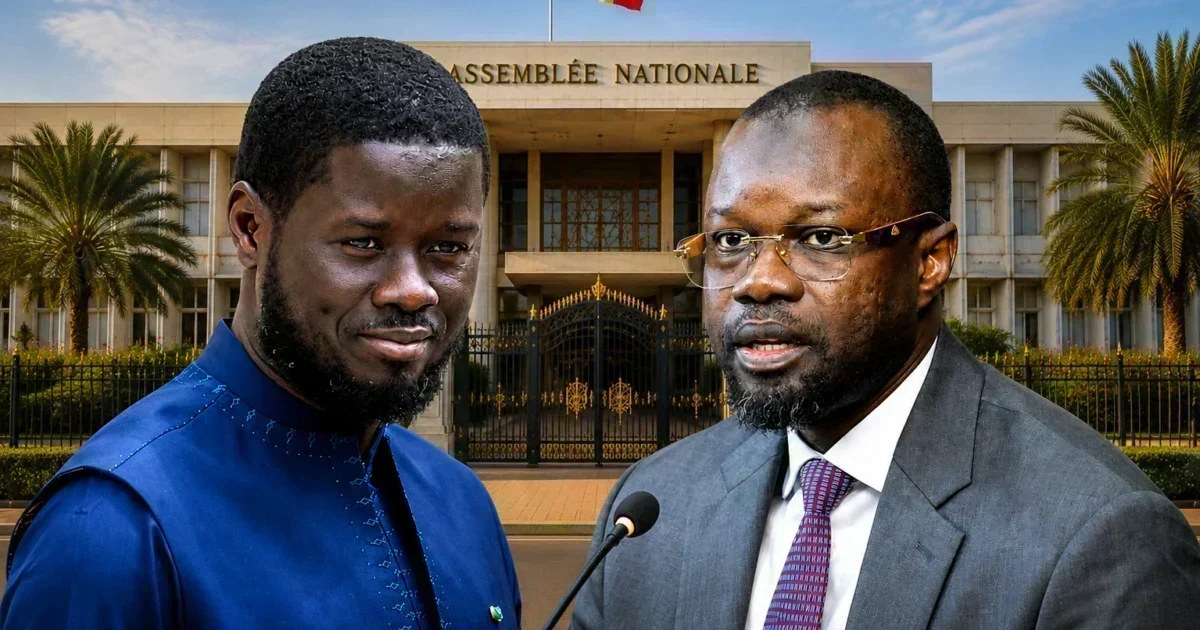
With external debt surpassing 70% of GDP, Senegal faces mounting fiscal pressure. The country’s new administration, led by Prime Minister Al Aminou Lô, now grapples with restructuring talks while navigating political shifts. The departure of opposition leader Ousmane Sonko from the equation has left a void—and some analysts wonder if this could ease negotiations with the International Monetary Fund (IMF).
Political upheaval and economic uncertainty
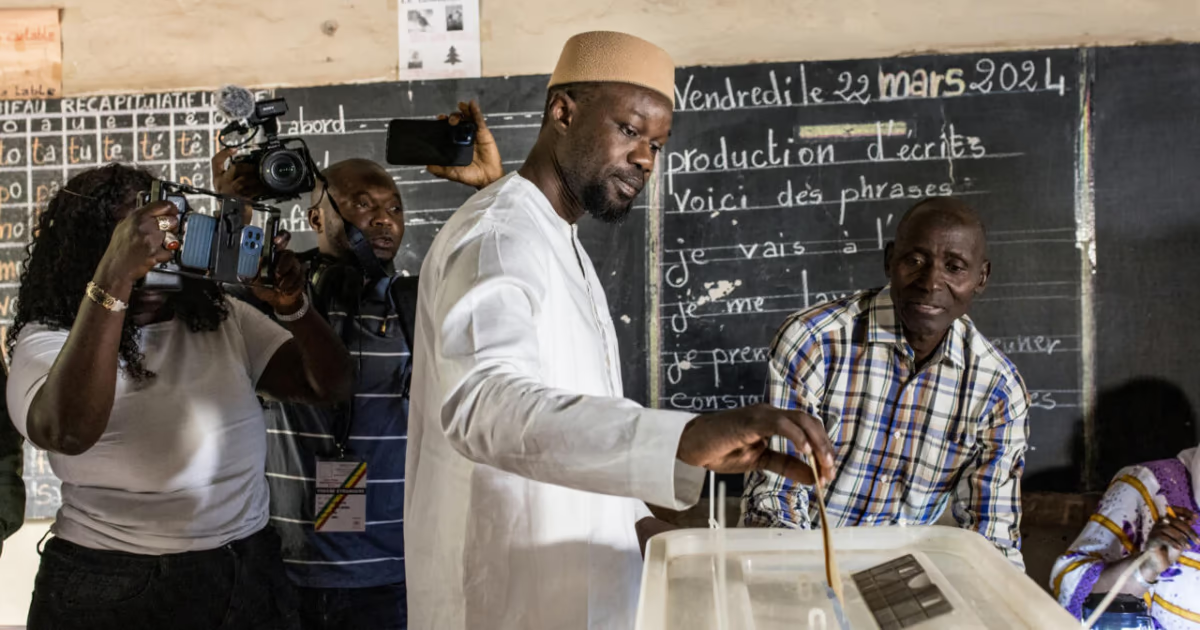
Senegal’s political landscape has been turbulent in recent months. The unexpected resignation of a key opposition figure has reshaped the power dynamics, raising questions about the government’s ability to push through reforms. Meanwhile, rising public debt and inflation continue to strain the economy, pushing officials toward external financing solutions.
Against this backdrop, the IMF’s potential intervention looms large. Bassirou Diomaye Faye, the newly elected President, has signaled openness to structured financial support—but under what conditions? The Fund’s demands often include stringent fiscal measures, which could prove politically unpopular in a nation already grappling with unrest.
What’s next for Senegal’s debt strategy?
The path forward remains unclear. While some argue that Sonko’s exit removes a major obstacle to cooperation with the IMF, others caution that deeper structural reforms may be unavoidable. The government’s next steps will determine whether Senegal secures a lifeline or faces prolonged economic strain.
One thing is certain: the interplay between politics and economics will shape the country’s financial future for years to come.