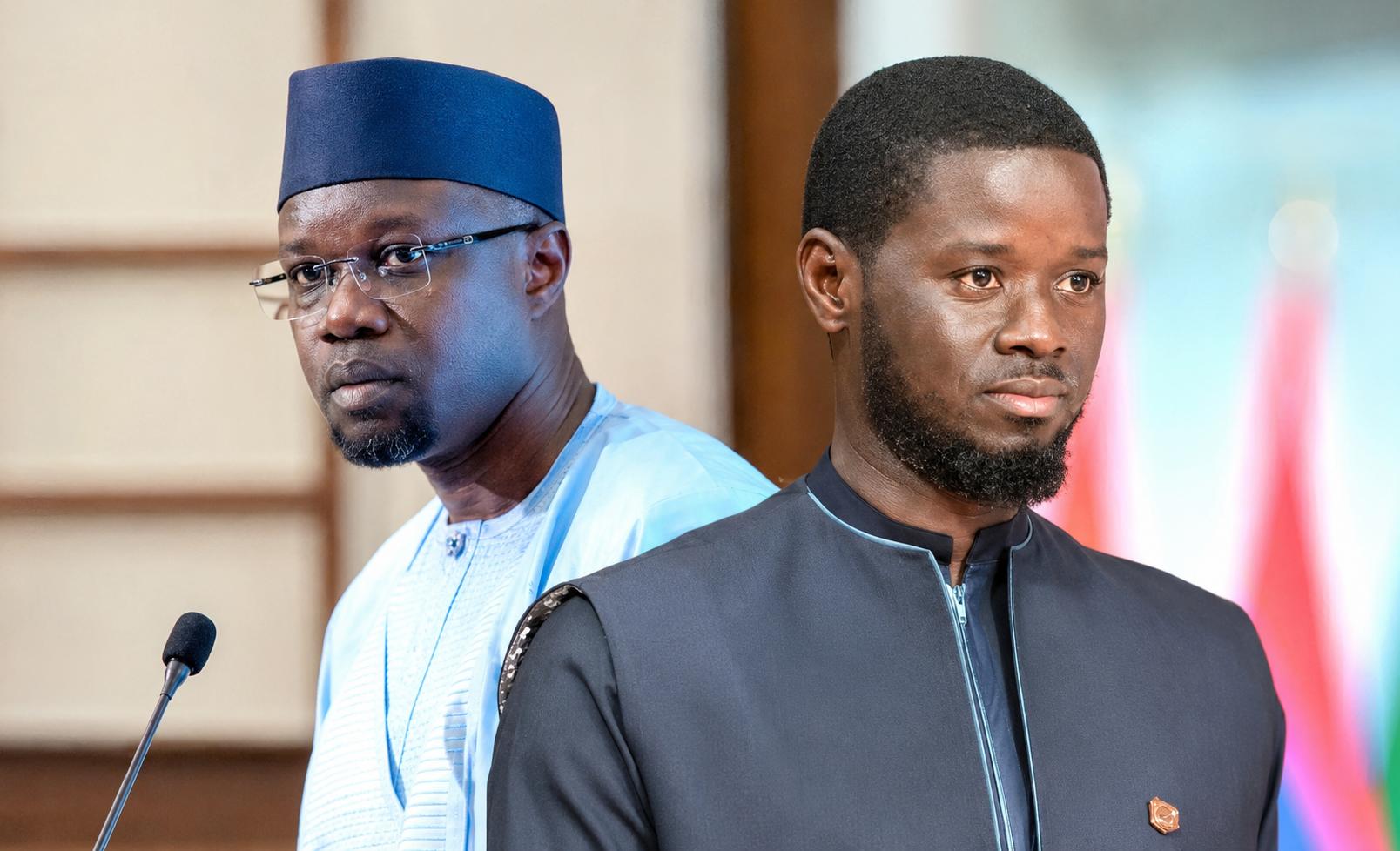
In a landmark ruling made public on Thursday, July 9, 2026, Sénégal’s Constitutional Council struck down the constitutional revision law that the National Assembly had passed in late June. Following an urgent appeal from the President of the Republic, Bassirou Diomaye Faye, the esteemed “Sages” of the Council determined that the adoption procedure for Law No. 18/2026 was in violation of the nation’s Fundamental Law. This dramatic legal development brings to light significant procedural disagreements at the highest levels of government, while simultaneously reinforcing the critical oversight role of the country’s top court.
An unprecedented presidential appeal on procedural grounds
The legislative text, which aimed to introduce a substantial overhaul of the institutional framework—including a rebalancing of powers between the executive and legislative branches, a prohibition on the head of state leading a political party, and the establishment of a Constitutional Court—had been approved by the National Assembly on June 29, 2026.
However, in an unusual move for a bill initially championed by the ruling coalition, President Bassirou Diomaye Faye himself filed an appeal with the Constitutional Council on July 6. Initiated as an urgent procedure by his legal advisors, this appeal did not challenge the substance of the proposed reforms. Instead, it specifically sought to establish that the parliamentary adoption process had failed to meet constitutional requirements. To support his filing, the presidency submitted a meticulous dossier containing debate transcripts, rejected government amendments, and audio and video recordings of the parliamentary sessions.
Financial and procedural grounds for the Council’s rejection
To declare the constitutional law non-compliant, the Constitutional Council relied on stringent legal arguments, first dismissing the National Assembly President’s objection regarding the Council’s jurisdiction over constitutional matters.
Two primary reasons, enshrined in Article 82 of the Senegalese Constitution, underpinned this invalidation:
- Creation of public charges without compensation (Paragraph 2): The Sages reiterated the fundamental principle that proposals or amendments from deputies are inadmissible if their adoption would lead to a reduction in public resources or an increase in public expenditure, unless accompanied by compensatory revenue proposals. The text examined by the deputies was found to infringe upon this strict financial rule.
- Refusal to consider Executive objections (Paragraph 4): The high court observed that the National Assembly had declined to postpone debate or reject problematic provisions despite the government’s explicit request, thereby violating the executive’s prerogatives in the legislative process.
“This violation of the texts affects the validity of the revision law itself,” the Constitutional Council’s decision stated, leading to its outright annulment before any promulgation or submission to a referendum.
Judicial arbitration at the heart of political discourse
This verdict from the Sages marks a pivotal moment in Sénégal’s political calendar for 2026. While supporters of the ruling party view it as a technical setback necessitating a more rigorous approach to drafting, the opposition celebrates it as a triumph of legal principles over legislative haste.
Far from weakening institutions, this decision underscores the vibrancy and independence of constitutional justice in Sénégal, demonstrating its capacity to arbitrate significant disputes between the presidency and the parliament.
By invalidating Law No. 18/2026, the Constitutional Council reaffirms that even the most ambitious reforms must adhere strictly to the procedures mandated by the Fundamental Charter. For President Bassirou Diomaye Faye and his administration, the focus now shifts to re-evaluating their legislative strategy to successfully implement the reforms promised to the Senegalese people, whether through a newly amended text or directly via a popular referendum.