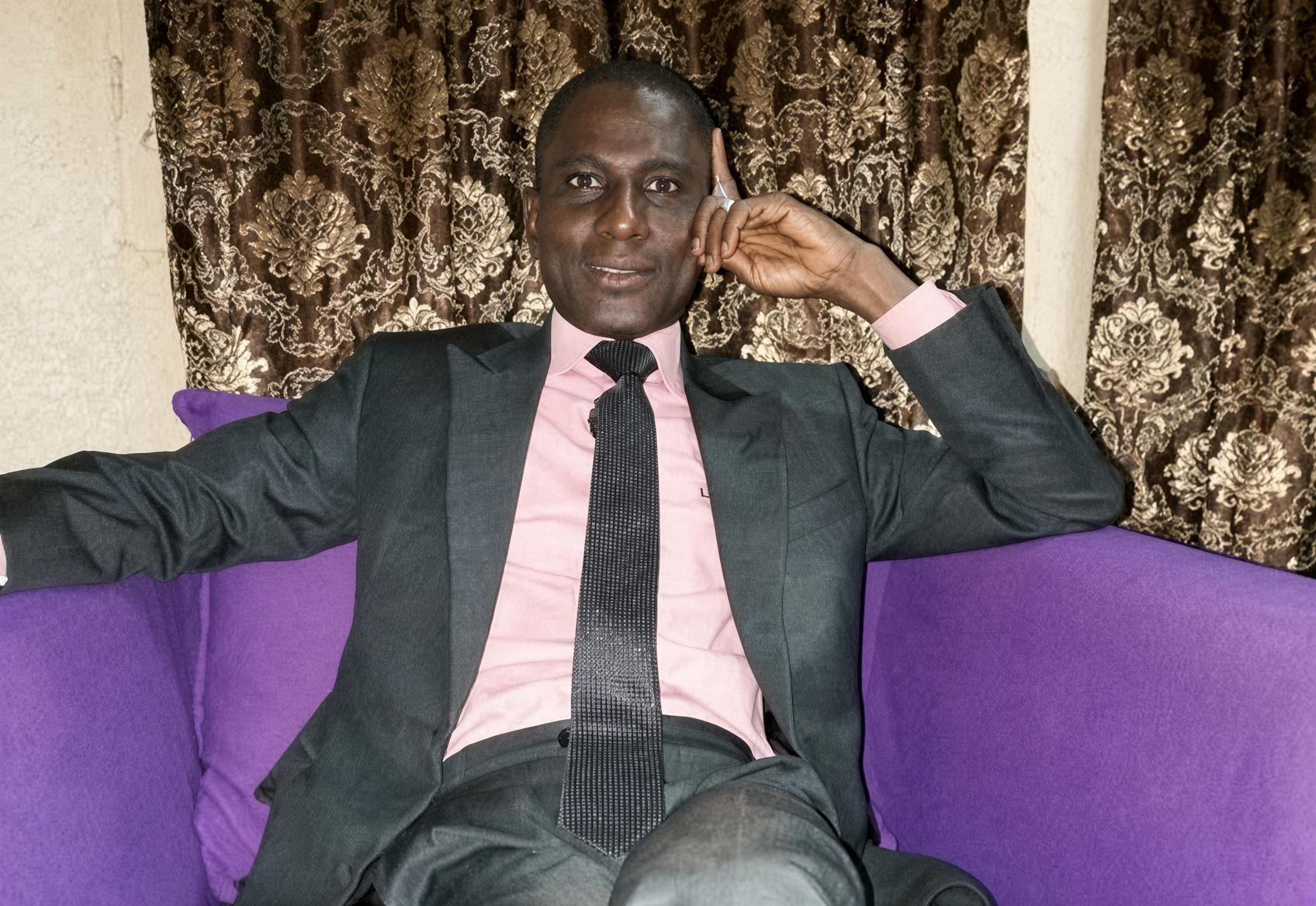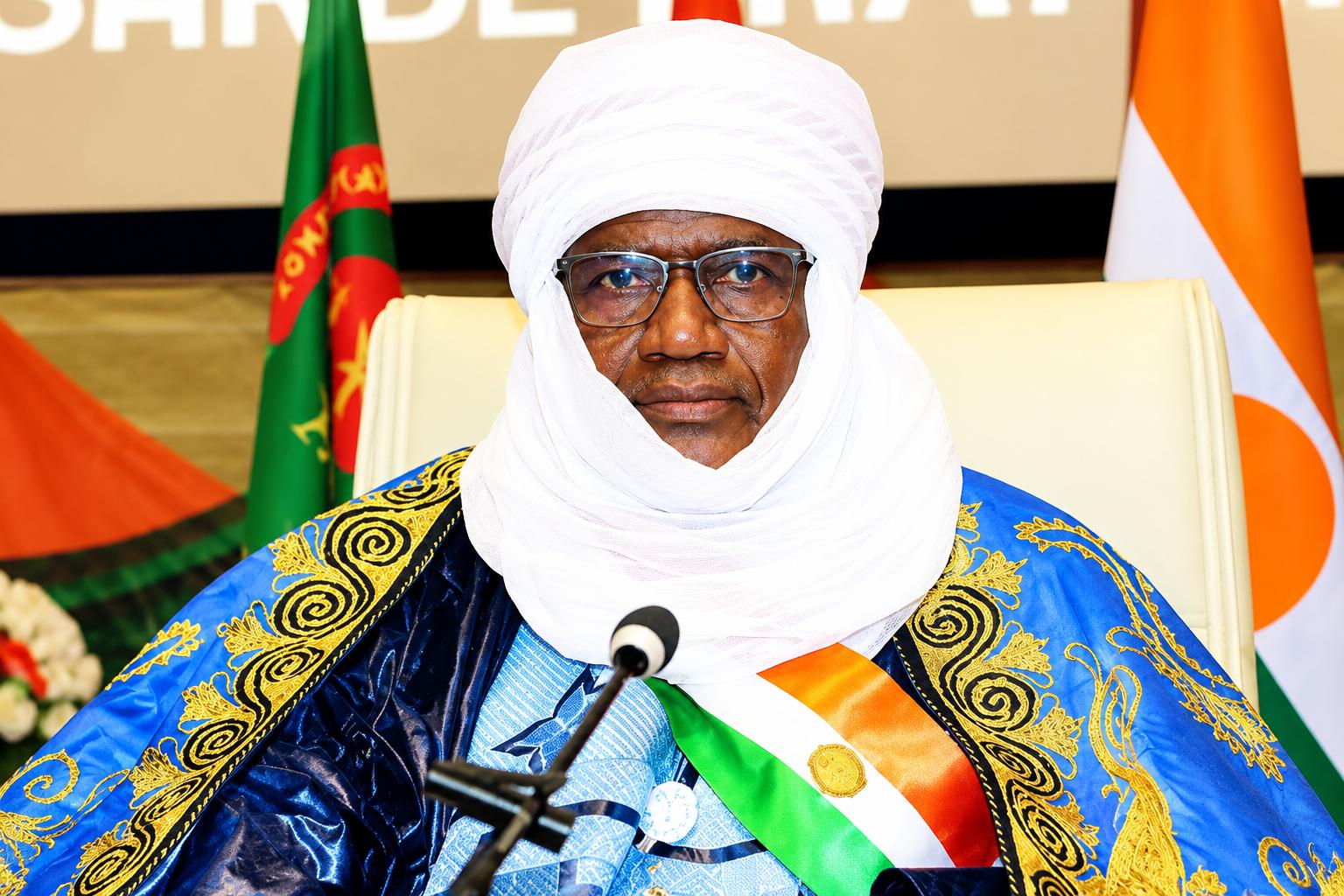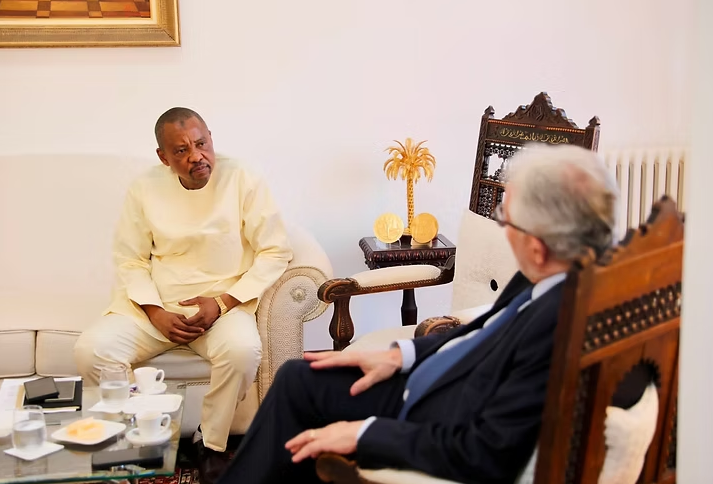
In a striking display of unconventional diplomacy, the Nigerien regime has turned to an unlikely partner to revive its strained ties with France: the Grand Mosque of Paris. The recent meeting between the mosque’s rector, Chems-eddine Hafiz, and Hamadou Saley, Niger’s chargé d’affaires in France, has sent ripples through diplomatic circles, revealing a calculated strategy to bypass traditional channels.
Diplomacy when official routes fail
With bilateral relations between Niamey and Paris at an all-time low following political upheavals and the unraveling of key cooperation agreements, the usual diplomatic avenues have been firmly shut. Expulsions of diplomats, heated sovereignty rhetoric, and the abandonment of long-standing collaborations have left the relationship in tatters. Yet, the realities of economics, migration, and regional stability demand a way forward. The question is: how can a government that has itself dismantled conventional diplomacy find a path to dialogue?
The answer, it seems, lies in the shadows of religious diplomacy. By leveraging the symbolic weight of the Grand Mosque of Paris—a pillar of France’s Muslim community with deep institutional ties to the state—the Nigerien regime is attempting to carve out a space for engagement where none was left. Failing official recognition at the Quai d’Orsay, Niamey seeks an audience in a setting where its voice might be heard.
The risks of mixing faith with politics
This maneuver is far from a benign cultural or spiritual outreach. It represents a deliberate effort to exploit religious institutions as a Trojan horse for political normalization. The Grand Mosque of Paris, steeped in history and close to French authorities, offers a discreet entry point into the public and political sphere of France—a door closed to official envoys from Niamey.
The strategy, however, exposes a glaring contradiction. While Niger’s government publicly rails against foreign interference and champions a clean break from its former ally, its behind-the-scenes actions suggest a different agenda: one that quietly seeks to soften its image and reopen channels of dialogue through unconventional means. Using religious platforms as a front for political maneuvering risks undermining the very principles it claims to uphold.
The path to reconciliation between Niger and France must be built on transparency and mutual respect, not on the exploitation of cultural or religious sensitivities. Sustainable diplomacy cannot thrive in the shadows of clandestine arrangements. If Niamey is serious about mending its relationship with Paris, it must do so through the established frameworks of international relations—not by steering its efforts through the backdoors of faith.