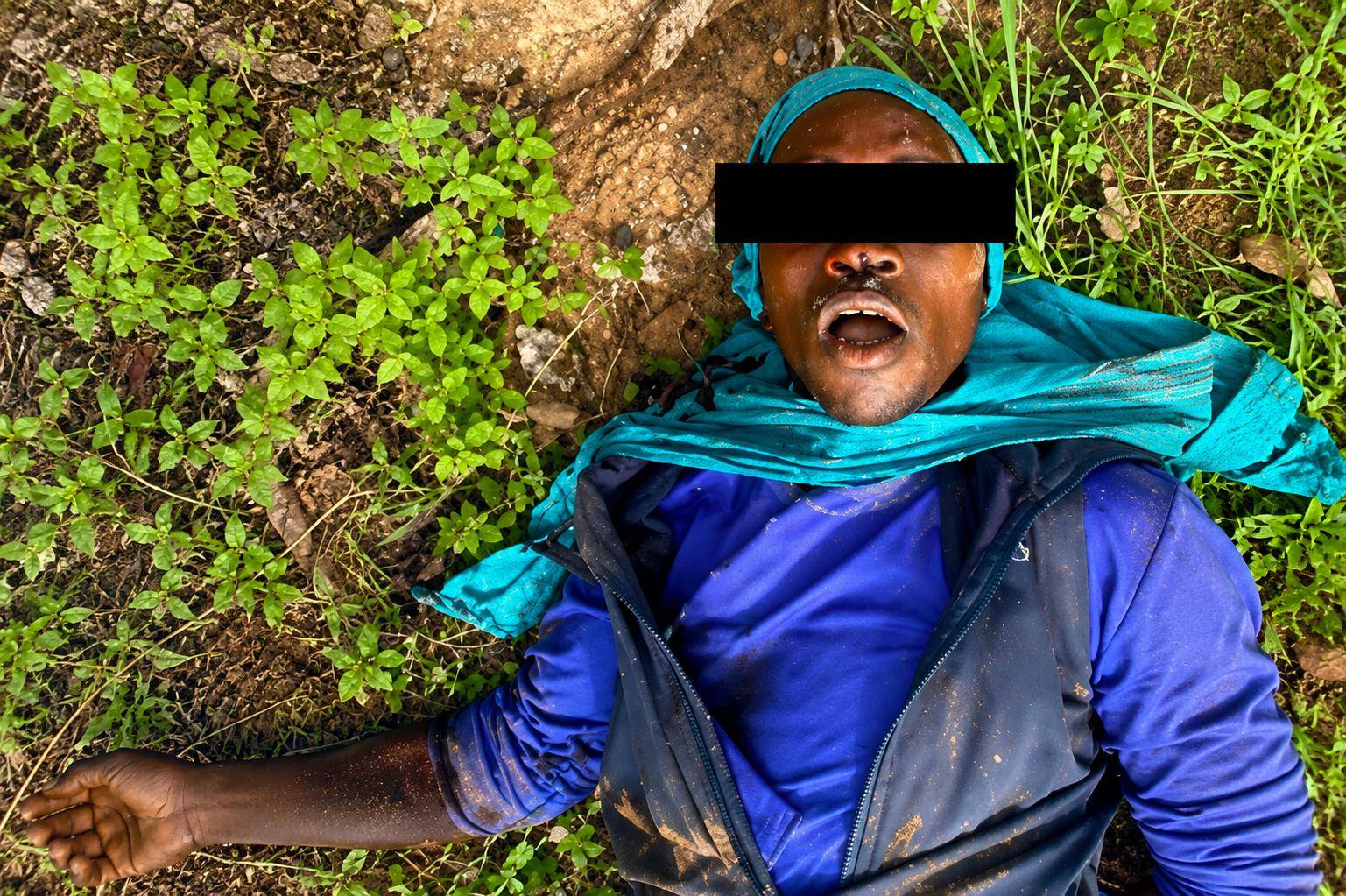
In early July, Benin’s Armed Forces launched a high-stakes operation near the town of Kouandé, delivering a decisive blow to terror networks operating in the region. The operation resulted in the neutralization of six jihadist fighters and the seizure of a substantial cache of weapons and equipment. As the security threat intensifies along the country’s northern borders, this tactical victory underscores Cotonou’s unwavering commitment to defending every inch of its national territory. It also highlights the growing security burden shouldered by Benin, which is increasingly forced to address the military vacuum left by its neighbors in the Alliance of Sahel States (AES).
Thirty-kilometer pursuit: how the operation unfolded
The mission began with meticulous reconnaissance and tracking efforts. Alerted by suspicious movements, Beninese army commandos pursued a suspect convoy over a rugged 30-kilometer route. The enemy column, consisting of around a dozen heavily armed individuals, navigated winding dirt paths and dense vegetation, attempting to infiltrate deeper into the Kouandé region.
Leveraging their deep knowledge of the terrain and rapid response capabilities, Beninese forces positioned themselves ahead of the enemy, setting up a deadly ambush. When the terrorist convoy entered the interception zone, the trap was sprung. The ensuing firefight was intense and precise, with troops executing combat orders with surgical accuracy. The official tally speaks for itself: six terrorists were killed in action. The remaining assailants, several of whom were wounded, exploited the terrain’s complexity to retreat and escape. On the Beninese side, the operation’s efficiency was evident—no friendly losses were recorded.
Seizing a treasure trove: dismantling terrorist logistics
Beyond eliminating enemy fighters, the operation dealt a major blow to terrorist supply networks. A thorough sweep of the engagement area yielded a significant haul of military-grade equipment:
- Firepower: Multiple assault rifles, including AK variants, along with fully loaded magazines.
- Communication tools: Professional radio transceivers and smartphones—valuable assets for military intelligence.
- Mobility assets: Several motorcycles used for rapid strikes and evasion.
The capture of communication devices is often as critical as seizing weapons. Intelligence teams can analyze phones and radio frequencies to map local support networks and anticipate future threats, enhancing situational awareness across the region.
Unwavering sovereignty: Benin holds the line
This military success sends a powerful message both domestically and internationally: Benin remains steadfast in its defense of national sovereignty. Amid growing concerns that coastal Gulf of Guinea states might crumble under the pressure of jihadist expansion, Cotonou has proven its resilience. The country’s military doctrine remains unchanged: every inch of Beninese soil is sacred, and no ground will be ceded to armed terror groups.
By taking the fight directly into enemy territory, Benin’s Armed Forces have shifted from a purely defensive stance to an offensive strategy aimed at dismantling insurgent capabilities before they can target civilians. This proactive approach demonstrates Benin’s determination to protect its people and uphold its territorial integrity.
A regional security gap: the AES’s missing presence
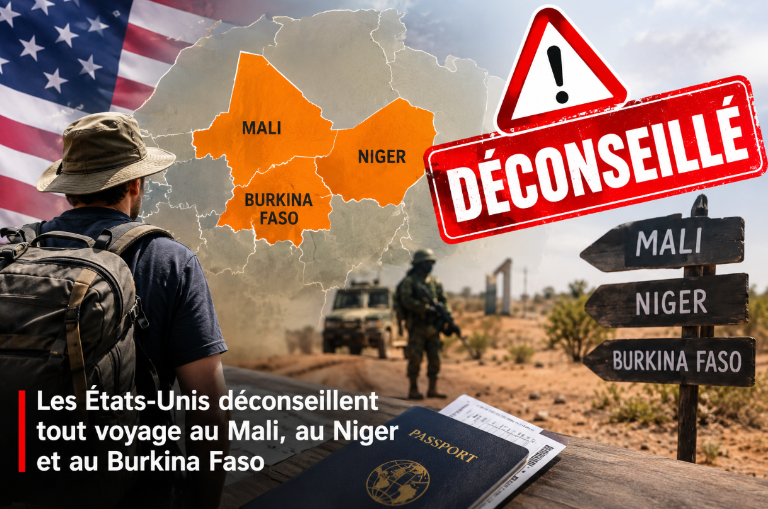
Yet the success at Kouandé cannot overshadow a stark regional reality. While Benin stands firm, it does so in an increasingly fragile security environment. Military experts widely agree that the surge in terrorist activity stems largely from the inadequate security management by AES member states, particularly Niger and Burkina Faso.
Following successive coups and strategic shifts in Niamey and Ouagadougou, cross-border cooperation has stalled. Worse still, both nations have withdrawn their military forces from remote areas, concentrating troops in urban centers. This tactical retreat has left vast stretches of the “three-border zone” and Benin’s northern frontier practically devoid of state security presence.
The resulting security vacuum has emboldened terrorists, who exploit the absence of state authority in neighboring countries to establish rear bases. When pressured by Beninese forces—such as during the Kouandé operation—attackers easily retreat into Niger or Burkina Faso, knowing full well that local forces are not positioned to intercept them.
The Kouandé operation is a clear testament to the courage and professionalism of Benin’s Armed Forces. By neutralizing this cell and seizing its equipment, the commandos prevented a potential tragedy for local communities.
However, this victory also underscores the monumental challenge Benin faces. While the country defends its borders with total dedication, it fights with one hand tied behind its back due to the absence of reliable and active regional partners. For lasting peace to take root in northern Benin, more than military bravery will be required; neighboring states must finally assume their sovereign responsibility to secure their own territories. Until then, Benin’s shield holds firm.