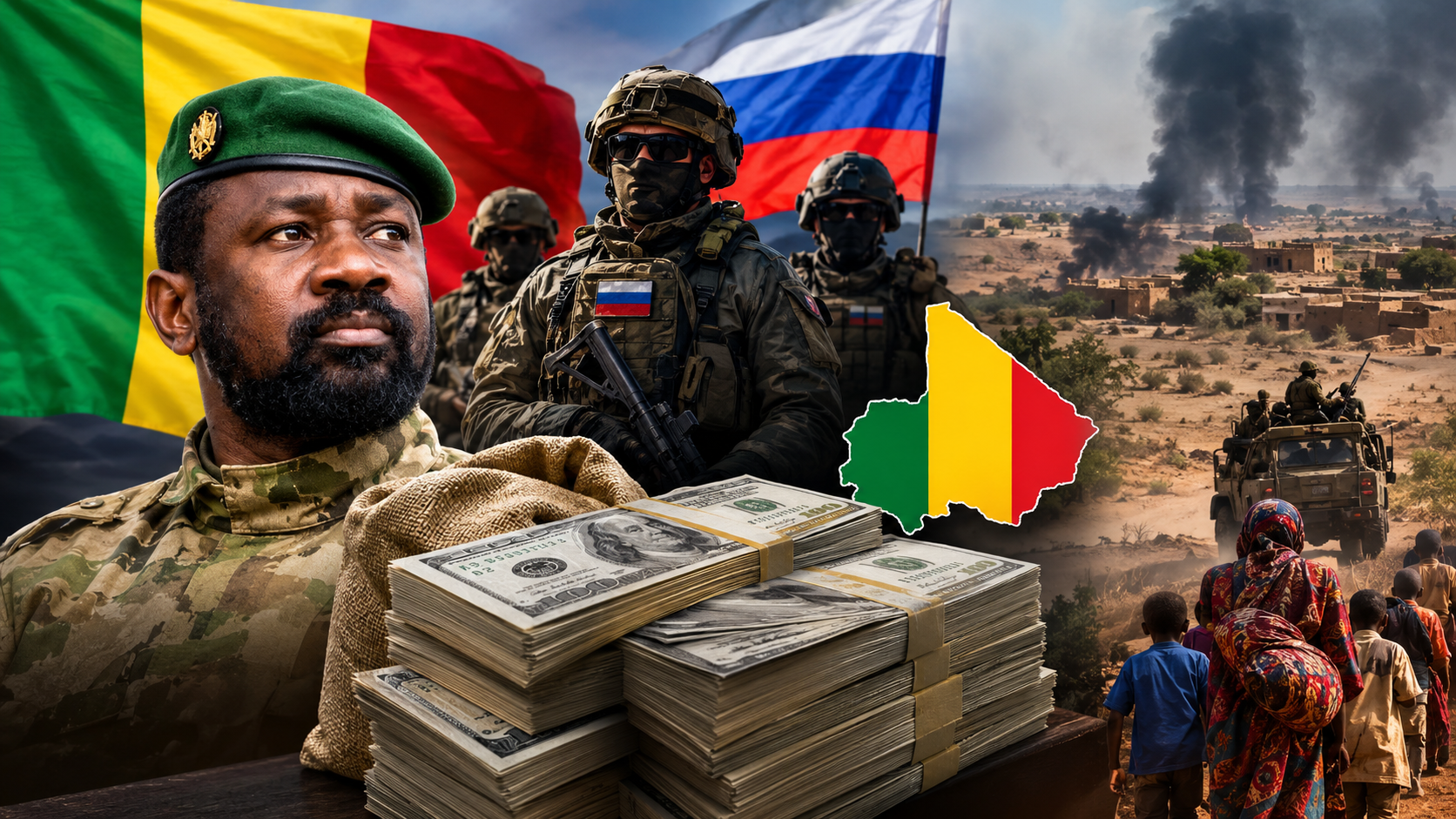
The Group for the Support of Islam and Muslims (JNIM), an Al-Qaeda-affiliated armed faction, has issued a sharp condemnation against the Malian Armed Forces (FAMa) and their Russian allies from Africa Corps, accusing them of targeting Peul civilians in the Niono district of the Ségou region.
The communiqué, released on May 31, shines a harsh light on the escalating violence gripping central Mali, where civilians are increasingly caught in the crossfire of counterterrorism operations and shifting media narratives.
Niono: a flashpoint of ethnic targeting and unverified claims
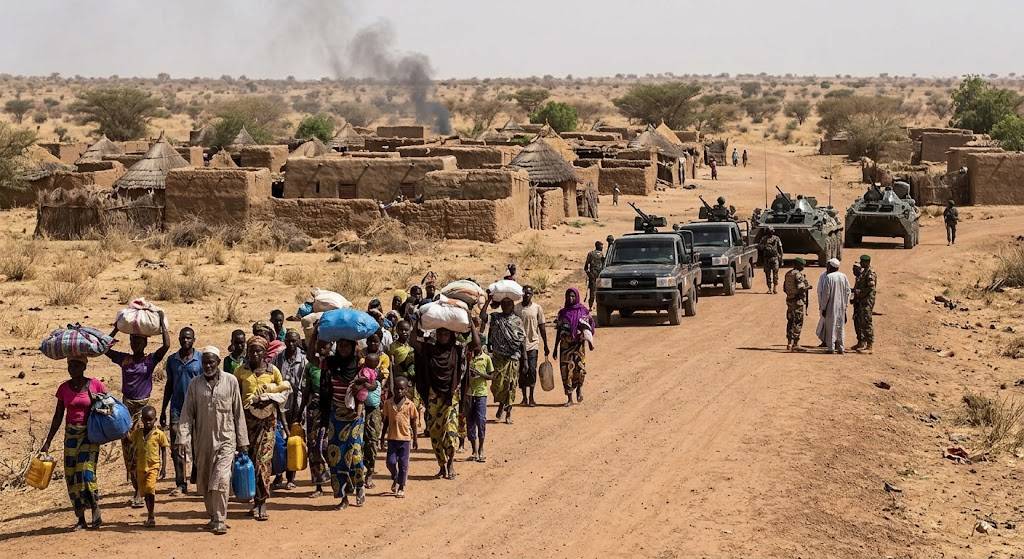
The Niono circle, located in the heart of the Mali’s central delta, has once again become a focal point of brutal clashes. According to the JNIM’s propaganda channels, soldiers from the FAMa, alongside paramilitary operatives from Africa Corps—successors to the Wagner Group—allegedly carried out a punitive raid targeting civilians of Peul ethnicity. While independent verification remains nearly impossible due to restricted access to the area, reports suggest multiple civilian casualties and the destruction of homes.
This latest accusation comes amid a climate of extreme surveillance, where the Mali’s central region remains mired in a deepening crisis. Ethnic divisions continue to fuel violence, with each incident deepening mistrust and entrenching hostility.
The Peul community: a strategic target in a propaganda war
For analysts tracking the Sahel crisis, the JNIM’s focus on the Peul community in its messaging is deliberate. As a pastoral group long caught in the conflict’s crosshairs, the Peul have endured suspicion from state forces, often accused of sympathizing with insurgents, while also facing pressure from jihadist factions vying for local dominance.
The JNIM’s latest claims serve a dual purpose. First, they exploit the community’s perceived marginalization, framing the group as their sole protector against alleged abuses by Bamako and its foreign allies. Second, by emphasizing ethnic identity, the JNIM seeks to undermine national cohesion and rally support under the banner of ethnic solidarity.
Military operations under scrutiny: civilian protection in the balance
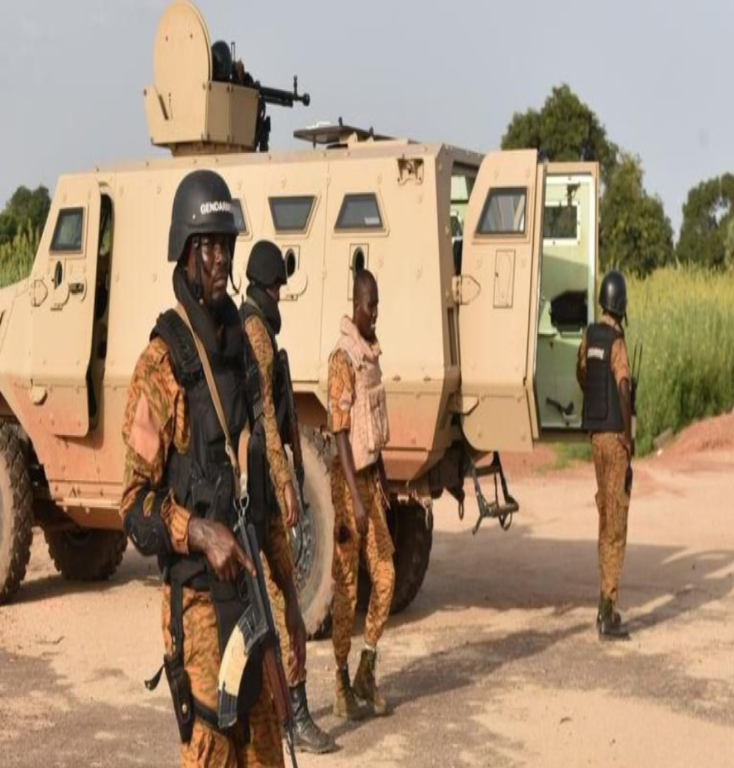
From Bamako’s perspective, the military strategy remains unchanged: dismantling Armed Terrorist Groups (GAT) without ethnic distinction. Transition authorities regularly affirm their commitment to human rights during operations, with the FAMa—reinforced by the tactical and aerial support of Africa Corps—intensifying offensives in the Ségou region to break the jihadist stranglehold.
Yet, the involvement of Russian military contractors has introduced new dynamics on the ground. Tactics employed by these forces, often criticized for their aggressive approach by human rights organizations, have raised concerns about collateral damage. Allegations of civilian harm, routinely dismissed by Malian military leadership as “Western propaganda” or “fake news,” remain unverified due to the lack of access for independent journalists and international investigators. This opacity only fuels the adversary’s narrative, allowing the JNIM to fill information gaps with its own version of events.
A call for accountability and civilian protection
The JNIM’s May 31 statement underscores the layered complexity of the Mali conflict, where humanitarian crises and ethnic tensions are weaponized with alarming frequency. As military pressure mounts, safeguarding civilian lives across all communities must take precedence to prevent the central region from descending into irreversible cycles of retaliatory violence.
For online media and observers, the challenge is clear: report with precision and neutrality, avoiding amplification of terrorist propaganda while still exposing the harsh realities on the ground. Peace in Mali will not be achieved through force alone—it requires justice, accountability, and the restoration of trust among afflicted populations.