Rwanda dr Congo conflict fuels regional power ambitions
Tensions between Rwanda and the Democratic Republic of Congo (DRC) have escalated as Kigali rejects a recent disarmament and demobilization protocol signed between Kinshasa and the FDLR, a Rwandan rebel group active in eastern DRC. The initiative, aimed at neutralizing FDLR fighters accused of ties to the 1994 genocide in Rwanda, has been dismissed by Rwanda as a delaying tactic.
The dispute stems from decades of mutual distrust. Rwanda continues to view the FDLR as an existential threat, citing their presence as justification for military interventions in eastern DRC alongside the M23 rebel coalition. Despite a 2023 Washington agreement requiring Rwanda to withdraw troops and Kinshasa to dismantle the FDLR, neither side has fulfilled their obligations.
Regional instability as a strategic tool
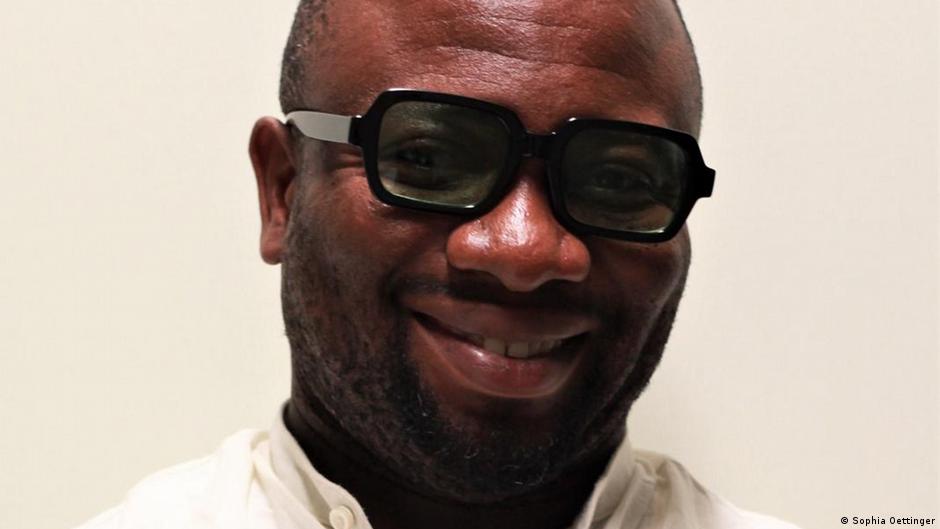
Josaphat Musamba, a doctoral researcher at Ghent University in Belgium, argues that the persistent insecurity in eastern DRC is not merely a military issue but part of a broader geopolitical strategy. He contends that Rwanda‘s refusal to engage in meaningful dialogue with the FDLR suggests a deliberate effort to maintain instability.
“Kigali’s rejection of the sensitization process reveals bad faith,” Musamba asserts. “The ongoing chaos in eastern DRC serves Rwanda’s strategic interests. By weakening Congolese administrative structures, Kigali seeks to extend its influence in the region.”
Rwanda’s shifting security narrative
Kigali claims the Kinshasa-FDLR protocol fails to meet Washington agreement standards, arguing it does not guarantee the group’s full neutralization. However, Musamba challenges this narrative, stating that the DRC‘s approach prioritizes persuasion over confrontation—a contextual response to multiple security threats.
“The DRC cannot afford to open another front while battling the Rwandan Defense Forces (RDF) and M23,” he explains. “Dialogue with the FDLR remains a pragmatic alternative. Their disappearance as an armed faction is plausible, but their ideology—a resistance against Kigali’s regime—may persist.”
What future for eastern DRC?
Analysts warn that without genuine cooperation, the cycle of violence will endure. While Kinshasa pursues non-military solutions, Rwanda appears to benefit from prolonged instability. Whether the FDLR can be fully dismantled remains uncertain, but one thing is clear: the geopolitical chessboard in the Great Lakes region is being reshaped by conflict.