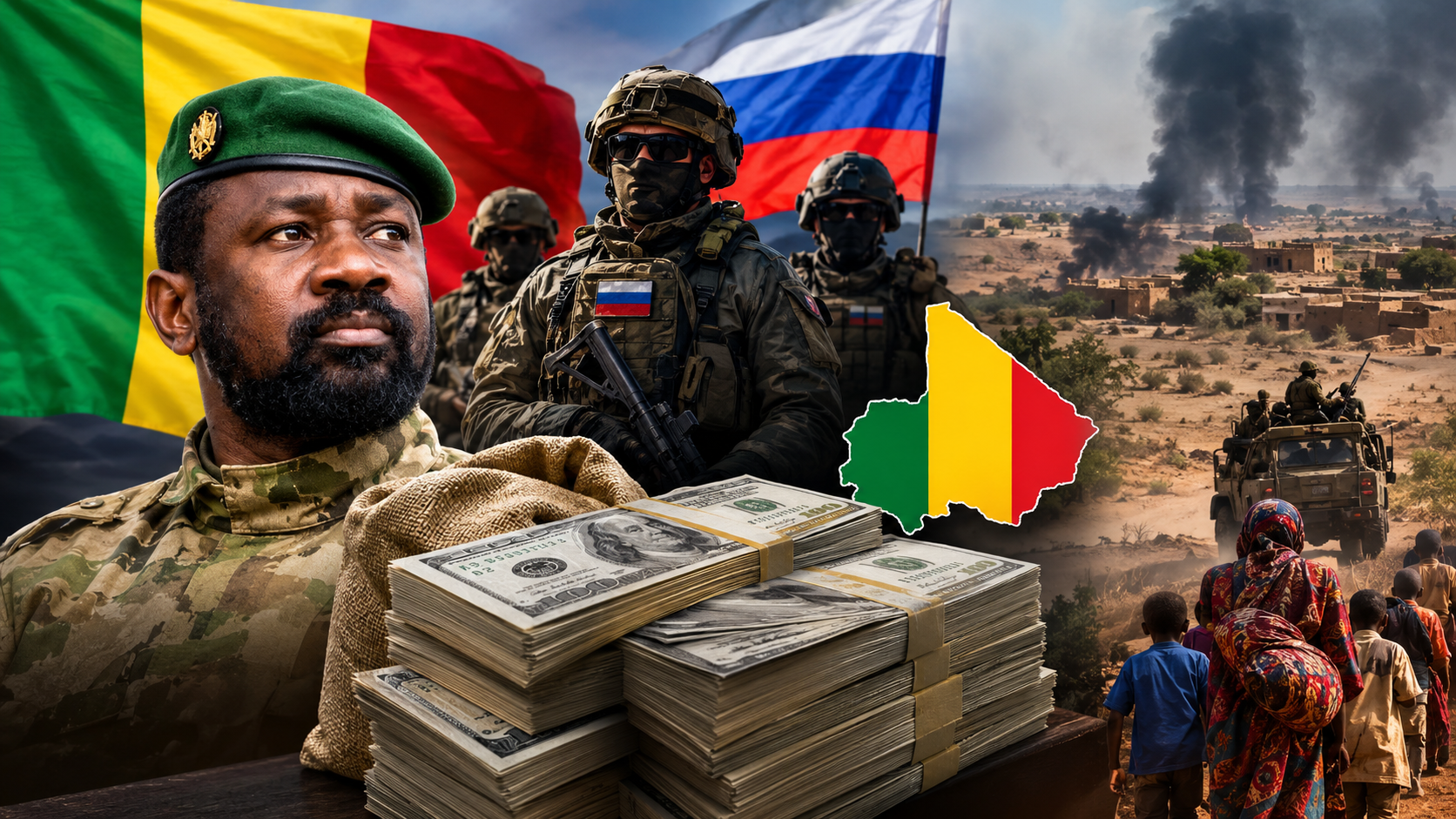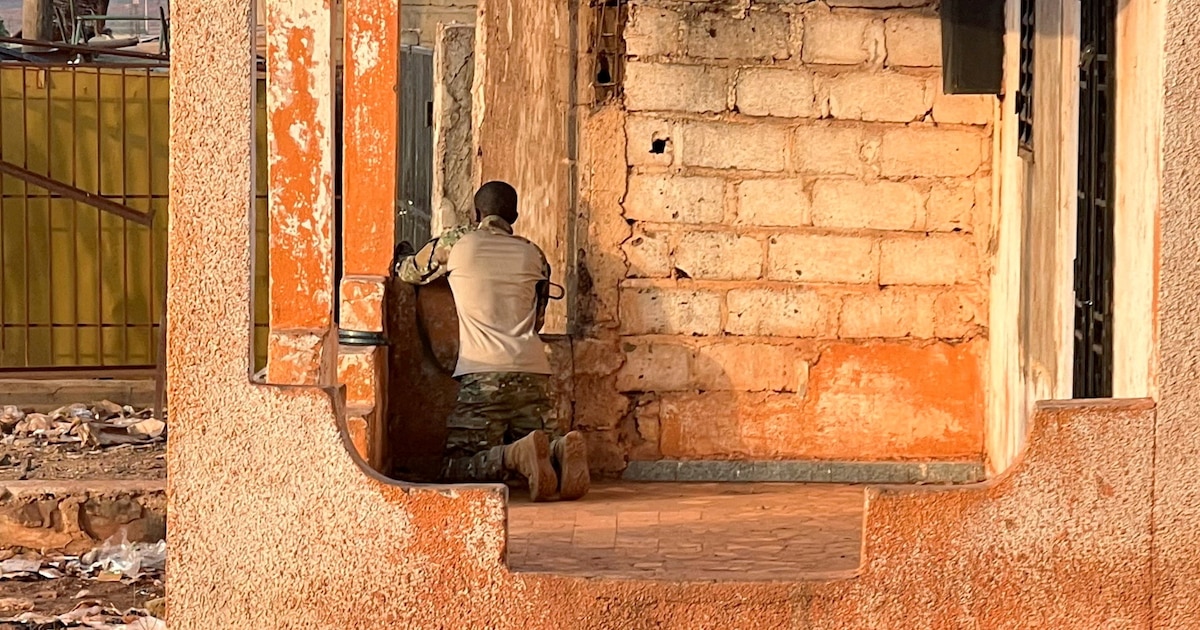
In a significant and highly symbolic turn of events, the Russian mercenaries of the Africa Corps—who replaced the Wagner Group in 2025—have retreated from the northern Malian city of Kidal. This withdrawal, occurring on Sunday, April 26, marks a major blow to the military junta in Bamako. Footage circulating on social media depicts a humiliating scene: Africa Corps personnel fleeing in trucks under intense pressure from the GSIM (Group for the Support of Islam and Muslims), also known as JNIM, and their allies, the FLA (Azawad Liberation Front) Tuareg rebels.
The retreat was so disorganized that the mercenaries abandoned dozens of armored vehicles and helicopters, which are now in the hands of the insurgents. Several Malian soldiers were also taken prisoner following brief skirmishes. This development is part of a broader security Sahel crisis, as Mali has been reeling from a wave of coordinated strikes targeting strategic locations across the country, including the outskirts of the capital, Bamako.
A reversal of the 2023 victory
The Africa Corps, which operates under the oversight of the Russian Ministry of Defense, confirmed its forces had pulled out of Kidal. For the FLA rebels, this is a moment of revenge; eighteen months earlier, in November 2023, Wagner mercenaries had captured the city and raised their skull-and-crossbones flag. Kidal had been the only major strategic victory for Russian forces since their arrival in Mali in 2021. Experts suggest that the fall of this historic Tuareg stronghold represents a total failure of the current military strategy in the political Sahel landscape.
The GSIM offensive has not been limited to the north. At least six cities have been targeted, including Gao and Kati, the site of the nation’s primary military headquarters. These coordinated actions highlight the deteriorating West Africa Sahel news cycle, where the GSIM, an Al-Qaeda affiliate, continues to expand its influence.
Questions over mercenary effectiveness
Since the 2021 coup, Mali‘s military leaders have relied heavily on Russian paramilitary support. However, security Sahel indicators show that violence has only intensified. Reports from international organizations have documented a rise in human rights violations, including sexual violence, attributed to both the Malian security forces and their Russian partners. Analysts point out that the Africa Corps has proven ineffective as a counter-terrorism partner, a reality underscored by the recent jihadist breakthroughs.
The situation near the capital is particularly dire. The GSIM has implemented blockades around Bamako to create economic strangulation. During the recent unrest, GSIM fighters were seen entering the city with little resistance. In Kati, a bomb attack destroyed the residence of Defense Minister Sadio Camara, who was killed in the blast.
Allegations of betrayal in the north
While the junta’s leader, Assimi Goïta, has claimed the situation is “under control” and vowed to continue operations until the groups are neutralized, internal dissent is growing. Some Malian officers have expressed a sense of betrayal, suggesting that the Africa Corps had negotiated their departure from Kidal days before the attack, despite being warned of the impending threat.
As the Africa Corps reportedly prepares to exit other northern localities, the regular Malian army finds itself increasingly vulnerable. In Moscow, the Kremlin has avoided commenting on whether its forces can stabilize the region, though officials claimed they successfully thwarted a coup attempt by the FLA and GSIM. For those following Sahel news English reports, the unfolding events suggest a precarious future for the Malian state and its international alliances.