Regional security Côte d’Ivoire extends cooperation to Mali and Burkina Faso against terror threat
The escalating terror threat in the Sahel has compelled Côte d’Ivoire to advocate for a united front among West African nations. With militant groups expanding their reach, Abidjan has extended a formal call to Mali and Burkina Faso, emphasizing the need for collective action over isolated strategies.
An urgent plea for regional solidarity
As terror attacks intensify across the Sahel, the imperative for collaboration has never been clearer. The Ivorian government, led by Minister of Defense Téné Birahima Ouattara, has articulated the necessity of pooling resources and coordinating efforts to counter a shared adversary that knows no borders.
The current terror landscape demands more than individual resolve; it requires synchronized regional defense mechanisms to ensure lasting stability.
Burkina Faso at a pivotal juncture
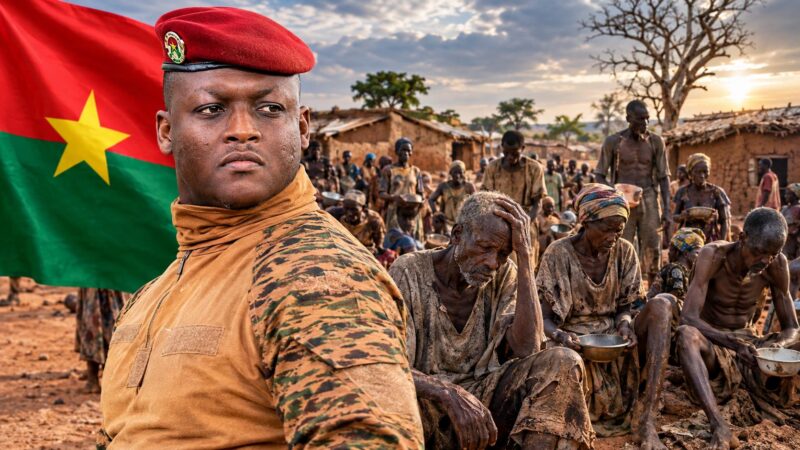
Despite robust national mobilization, Burkina Faso continues to grapple with the relentless advance of terror networks. The surge in attacks has eroded territorial security, disproportionately impacting civilian populations. For Captain Ibrahim Traoré, the leader of Burkina Faso’s transitional government, the moment to prioritize national survival over political posturing has arrived.
Strategic choices ahead for Burkina Faso
Analysts within the region underscore that sustained security hinges on Burkina Faso’s willingness to set aside internal divisions and embrace a unified regional strategy. The choice between isolation and cooperation will determine the trajectory of the country’s future.
Côte d’Ivoire’s proposed framework for cooperation
Leveraging its strategic stability and logistical capabilities, Côte d’Ivoire has outlined a three-pronged collaboration model to address the terror challenge:
- Intelligence sharing: Monitoring and tracking the movements of jihadist factions along vulnerable border regions.
- Military coordination: Aligning cross-border operations to prevent militant groups from exploiting porous frontiers as safe havens.
- Economic corridor security: Safeguarding critical trade routes essential for landlocked nations’ economic resilience.
A defining moment for the AES
The Ivorian initiative presents a critical test for the Alliance des États du Sahel (AES). While Mali and Burkina Faso have redefined their international partnerships, geography remains an unyielding factor. Côte d’Ivoire’s role as a natural and indispensable ally cannot be overlooked.
For Captain Ibrahim Traoré, embracing this collaboration would not signify capitulation but rather a testament to political maturity and a commitment to protecting Burkina Faso’s citizens. Confronting a decentralized and elusive enemy, unity is not an option—it is a prerequisite for survival and the restoration of peace in the Sahel.