Port of Lomé faces strike threat with regional economic stakes
The Autonomous Port of Lomé, Togo’s economic heartbeat, stands on the brink of severe disruption. The Union of Workers at the Autonomous Port of Lomé has formally issued a three-day strike notice, scheduled from June 25 to 27, 2026. The workers’ decision to halt operations underscores their frustration over unmet social demands, raising the specter of a paralyzing shutdown.
Stalled negotiations fuel industrial unrest
The root of the escalating tensions lies in stalled social dialogue. Despite multiple rounds of discussions, union representatives highlight the persistent failure to address key grievances, which center on enhanced working conditions, salary adjustments, and improved social benefits.
Unless a binding agreement is reached before June 25, the work stoppage will take full effect. For the Autonomous Port of Lomé—West Africa’s sole deep-water port capable of accommodating third-generation vessels—a complete halt to operations would constitute a severe blow to both technical and administrative functions.
A logistical lifeline at risk
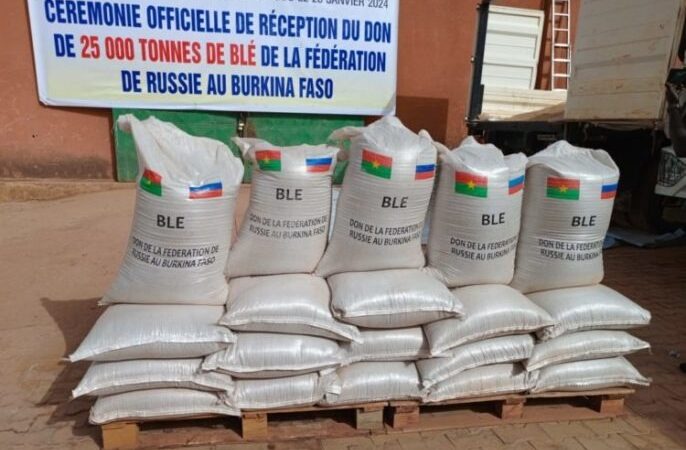
The repercussions of this industrial action extend far beyond Togo’s borders. As a vital maritime gateway, the Port of Lomé serves as the primary entry point for goods destined for landlocked Sahelian nations.
The countries most directly exposed include:
- Burkina Faso
- Mali
- Niger
A 72-hour disruption would inevitably lead to terminal congestion, cascading delivery delays, and exorbitant demurrage costs for commercial operators.
Government intervention looms as deadline approaches
With the strike date looming, the Port’s management and government officials face mounting pressure. The Togolese administration, which has positioned port modernization as a cornerstone of its economic strategy, cannot afford prolonged industrial unrest.
For now, business circles and licensed customs agents remain on tenterhooks, holding out hope for an eleventh-hour mediation to avert a crisis before the critical June 25 deadline.