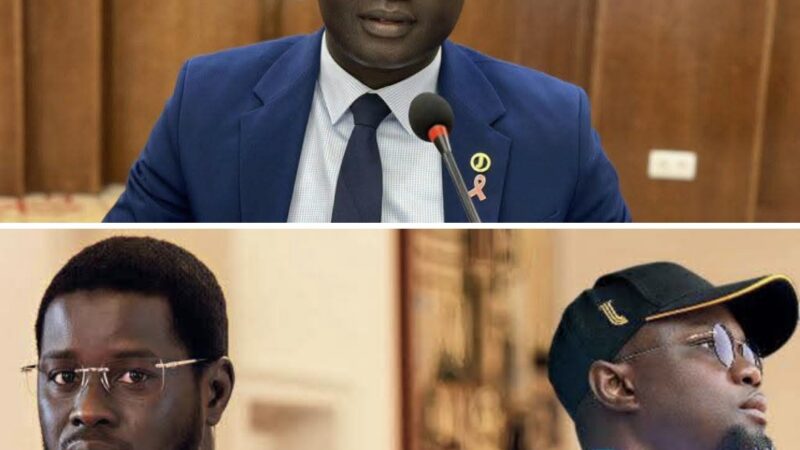
Senegal political funds debate after sonko’s 1.7 billion cfa disclosure
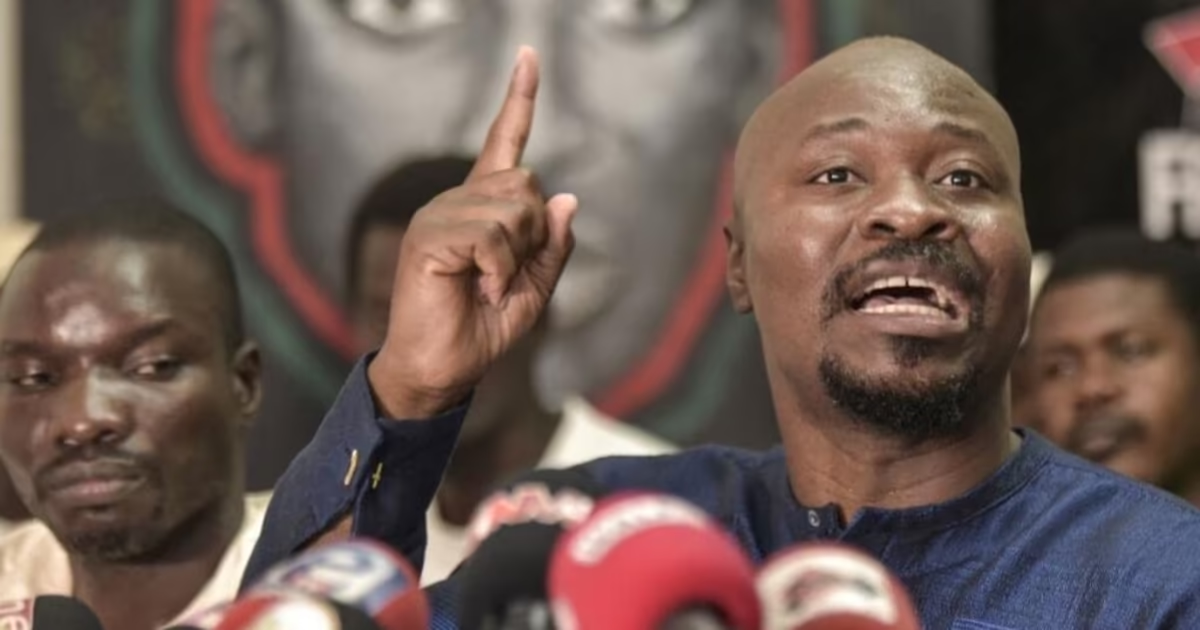
Senegal’s political funds under scrutiny following Sonko’s 1.7 billion cfa revelation
A lawmaker has exposed the lack of oversight surrounding political funds in Senegal, drawing attention to transactions that bypass institutional controls. The revelations have intensified scrutiny over how these funds are managed at the highest levels of government.
1.7 billion cfa in unmonitored funds attributed to Sonko
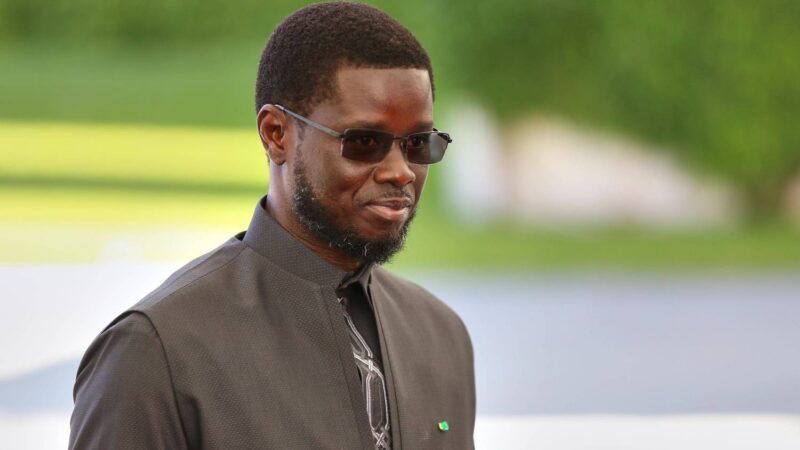
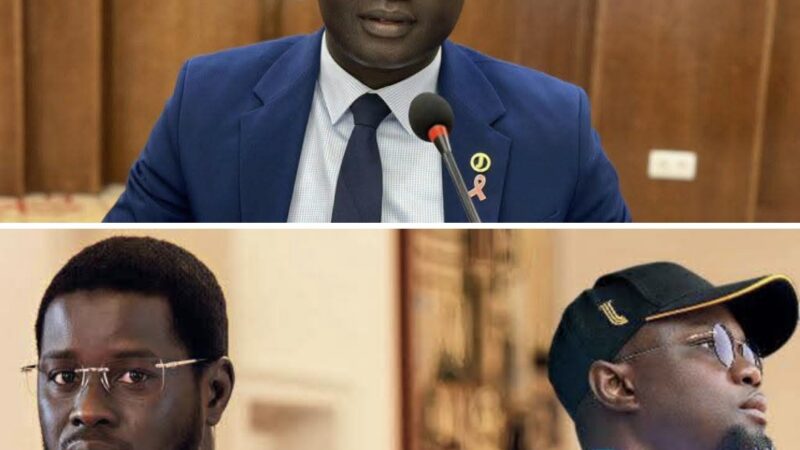
Pastef deputy Guy Marius Sagna has publicly disclosed that former Prime Minister Ousmane Sonko received 1.7 billion cfa in political funds during his tenure. Critically, Sagna emphasized that these funds were disbursed without institutional oversight—a revelation that has reignited debates about transparency in Senegal’s political finance system.
While the funds fall within legal provisions, their unregulated nature mirrors concerns raised about other state financial mechanisms. According to Sagna, President Bassirou Diomaye Faye holds access to over 8 billion cfa, distributed across various opaque financial instruments including special funds, sovereign reserves, and discretionary accounts.
Contradictions fuel political tensions
The disclosure has triggered sharp criticism from Guy Marius Sagna, who questions the credibility of public officials advocating for stricter financial controls while benefiting from unmonitored funds. He highlighted what he describes as a “striking contradiction” in Sonko’s stance, who has long championed the regulation of all political funds—a position he reportedly maintained even while in opposition.
“This is the sorcery of certain politicians,” Sagna remarked on social media, questioning the integrity of those who simultaneously advocate for transparency while exploiting unregulated financial channels. His comments underscore growing public skepticism about the consistency between political rhetoric and financial practices in Senegal’s leadership.
Transparency vs. political expediency
The debate raises fundamental questions about Senegal’s political finance framework. While institutional mechanisms exist to allocate such funds, their execution remains shrouded in secrecy, prompting calls for reform. Sagna’s intervention has intensified pressure on authorities to address perceived inconsistencies in financial governance, particularly as citizens demand greater accountability from elected representatives.
As these revelations circulate, the focus sharpens on whether political leaders will prioritize transparency reforms or maintain the status quo—raising stakes for Senegal’s democratic accountability.