After months of bold declarations about reclaiming national sovereignty and severing ties with former partners, Niger’s military-led government has found itself forced into a sharp economic reality check. Facing a suffocating financial isolation, officials in Niamey have just inked several critical petroleum agreements with China National Petroleum Corporation (CNPC). This move, cloaked in the language of economic nationalism, appears less like a strategic triumph and more like a desperate bid to fill the nation’s empty coffers.
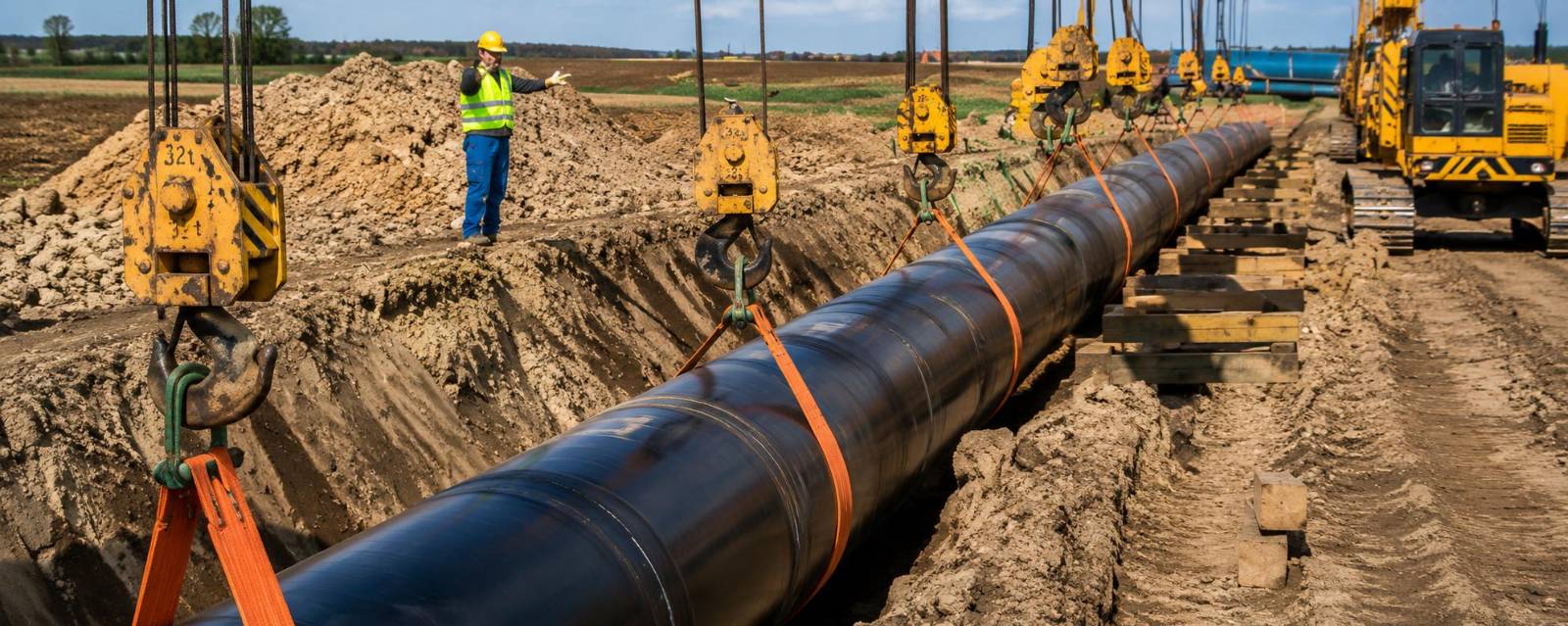
The government’s earlier defiance toward Beijing—demanding sweeping revisions to oil extraction terms and the West African Pipeline Company (WAPCO) infrastructure—has collided head-on with the harsh realities of governance in a cash-strapped state. With major regional and international financial backers stepping back, the authorities had little choice but to return to negotiations, this time as supplicants rather than negotiators.
what the deal really delivers
Officially hailed as a milestone in “Nigerienization”—boosting local employment and increasing state participation to 45% in WAPCO—the agreement’s true purpose lies elsewhere. The priority is clear: securing the immediate flow of crude oil to inject much-needed foreign currency into a near-bankrupt treasury. Yet beneath the surface rhetoric, concerns are growing.
survival tactic or governance risk?
Critics argue that the haste to finalize these deals with Chinese firms may serve darker motives than public welfare. Political opponents and independent financial observers warn that the influx of liquid funds could bypass traditional oversight mechanisms, increasing the risk of mismanagement and public fund misuse—all at the expense of essential infrastructure and social services.
a new form of dependence disguised as progress
By deepening its economic entanglement with China, Niger is not breaking free from dependency—it’s simply swapping one master for another. While minor concessions, such as local wage adjustments at the Soraz refinery or increased local subcontracting quotas, have been secured, they remain superficial victories. The strategic backbone of the oil sector—from extraction to maritime export—remains firmly under the control of Chinese state-owned enterprises. This pattern mirrors troubling precedents across Sub-Saharan Africa, where extractive wealth often fuels centralized power rather than broad-based development.
For Niger, the real test is yet to come: will these new Chinese funds flow into national coffers to support public welfare, or will they be funneled into sustaining a government struggling to regain legitimacy?