Niger’s 105 million dollar gamble: infrastructure loans amid instability
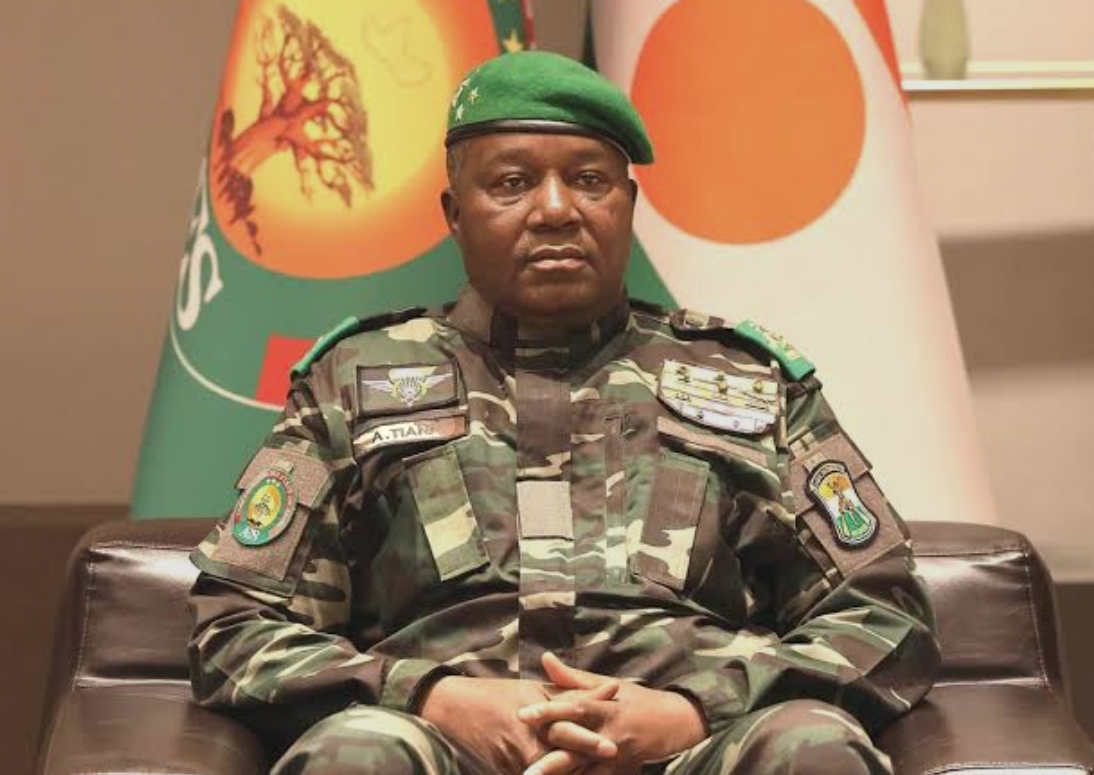
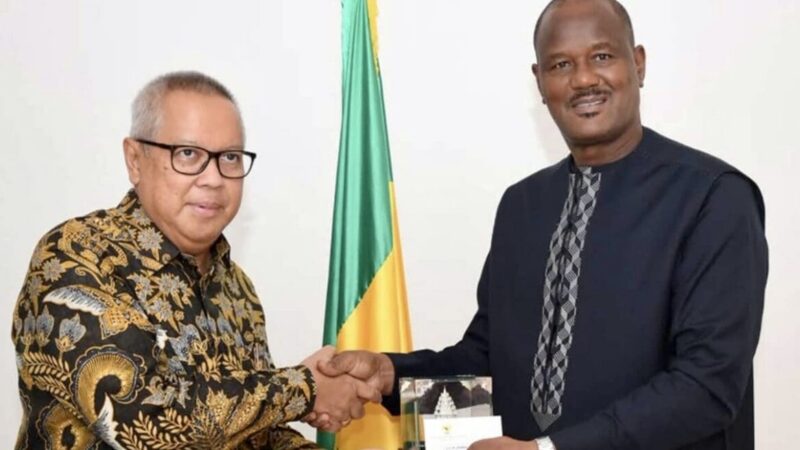
The West African Development Bank (BOAD) has taken a bold step by approving two loans totaling 60.6 billion West African CFA francs—roughly $105 million—for Niger. Signed in Niamey, the agreements aim to address critical infrastructure gaps, but the move comes with significant risks in a country grappling with insecurity, weak governance, and shrinking civic space.
Two key projects to boost food and energy security
The BOAD’s funding will be split into two major initiatives. The first, worth 30 billion CFA francs, will be directed to the National Office for Hydro-Agricultural Development. The funds will modernize irrigation systems along the Niger River and other cultivable basins, expanding farmland and increasing cereal yields to reduce reliance on emergency food imports. The second initiative, allocating 30.6 billion CFA francs to the Nigerien Electricity Company, will add 23 megawatts of power generation capacity, easing pressure on an overstretched national grid and supporting industrial growth.
The shadow of insecurity: can projects even be implemented?
While the infrastructure needs are undeniable, the security environment casts a long shadow over these ambitious plans. Armed groups operate in key regions like Tillabéri and Diffa, making large-scale construction projects logistically hazardous. Heavy irrigation equipment and power infrastructure sites in rural areas remain vulnerable to attacks, forcing costly security measures that could eat into the allocated budgets. Even if completed, maintaining these systems in areas experiencing displacement and recurring violence presents an additional challenge.
Governance black boxes: who really benefits?
Beyond the physical risks, the BOAD’s engagement raises serious questions about financial transparency. Past projects in Niger have faced allegations of corruption, with opaque procurement processes and limited oversight allowing mismanagement and embezzlement. Without independent audits or competitive bidding, there are fears that funds earmarked for public goods could instead line the pockets of officials or be diverted to political patronage networks. The lack of accountability mechanisms further compounds the problem, leaving little room for public scrutiny.
A civic vacuum: silencing the watchdogs
Civil society’s ability to hold power to account has been steadily eroded. Independent journalists, anti-corruption NGOs, and opposition figures face increasing restrictions, censorship, and legal threats. Investigative reporting on public spending or contract irregularities is often suppressed, while whistleblowers operate at great personal risk. This stifling of oversight means that even well-intentioned projects risk being mismanaged without public or institutional checks.
Will the bet pay off for Niger’s people?
The BOAD’s decision to back these projects underscores a high-stakes gamble. While the infrastructure investments address urgent needs—food security and reliable electricity—their success hinges on more than just technical execution. Transparency, rigorous financial oversight, and the protection of civic freedoms are essential to ensure that the funds translate into tangible benefits for Nigerien citizens rather than reinforcing the very dysfunctions plaguing the country’s development.