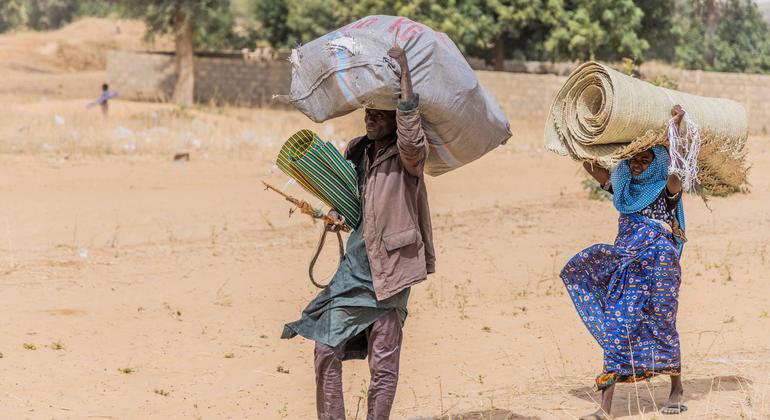
Recent abductions of students, assaults on entire villages, and the kidnapping of worshippers from both churches and mosques have once again placed Nigéria at the center of international concern. This cycle of brutality reached a new geopolitical stage when the United States conducted airstrikes against jihadist strongholds on Christmas Day, framing the action as a defense of Christian groups under threat.
The expansion of a multi-front conflict
While some American officials have begun using the term “Christian genocide” to describe the situation, the United Nations suggests this narrative only captures a fraction of the truth. The reality is a pervasive state of insecurity fueling one of the most overlooked and massive humanitarian disasters in Africa.
“Safety remains a primary hurdle for Nigéria,” explains Mohamed Malik Fall, the UN resident coordinator. “It is no longer possible to link it to just one area; it is present almost everywhere.”
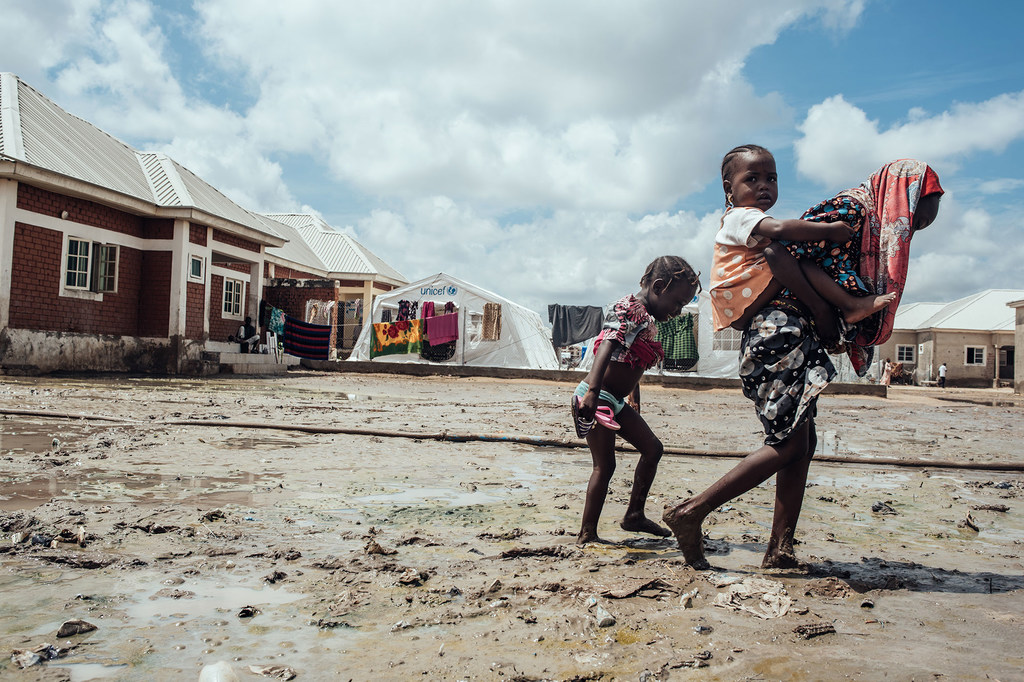
The roots of the unrest lie in the Northeast, where an armed insurgency led by Boko Haram and the Islamic State West Africa Province has raged since 2009. Nearly twenty years later, this protracted war has deeply fractured the nation. Over two million people remain displaced, with an entire generation having grown up in camps without knowing any other life.
Official records indicate over 40,000 deaths since the conflict began. Thousands of schools and clinics have been leveled, and vast agricultural zones are now unreachable. Beyond the physical destruction, Mohamed Malik Fall emphasizes that populations are cut off from economic survival, losing their ability to work and maintain their dignity.
Banditry and localized violence
Over time, more diffuse forms of violence have emerged alongside the primary war. In the Northwest, states like Zamfara, Katsina, and Sokoto are battling what authorities call “banditry”—organized criminal gangs that loot, kidnap, and demand ransoms. This has led to the desertion of entire villages, with approximately one million people displaced in the Northwest alone.
In the Middle Belt, pressure on land and climate-related shocks have intensified clashes between farmers and herders. Further south, separatist movements and oil-related sabotage continue to destabilize the region. Consequently, with 3.5 million people having fled their homes, Nigéria now accounts for nearly 10% of all displaced persons on the African continent.
Indiscriminate violence versus religious narratives
Recent attacks on Christian institutions have sparked intense debate. In January, over 160 people were abducted during Sunday services in Kaduna State, while students were targeted near the Papiri Catholic school. These events recall the 2014 Chibok tragedy, where Boko Haram kidnapped 276 schoolgirls.
While some in Washington claim a “Christian genocide” is occurring, the United Nations remains cautious, citing a lack of evidence for deliberate targeting of a single group. “I would not go as far as to label this violence as a targeted persecution of one religious group,” says Mohamed Malik Fall. He notes that the vast majority of the 40,000 victims in the insurgency are Muslims, many of whom were killed inside mosques.
He highlights an attack in Maiduguri that occurred between a mosque and a market, killing Muslim worshippers. “Insecurity impacts everyone, regardless of faith or ethnicity,” he stresses, warning that divisive narratives could undermine social cohesion.
A massive, underfunded humanitarian crisis
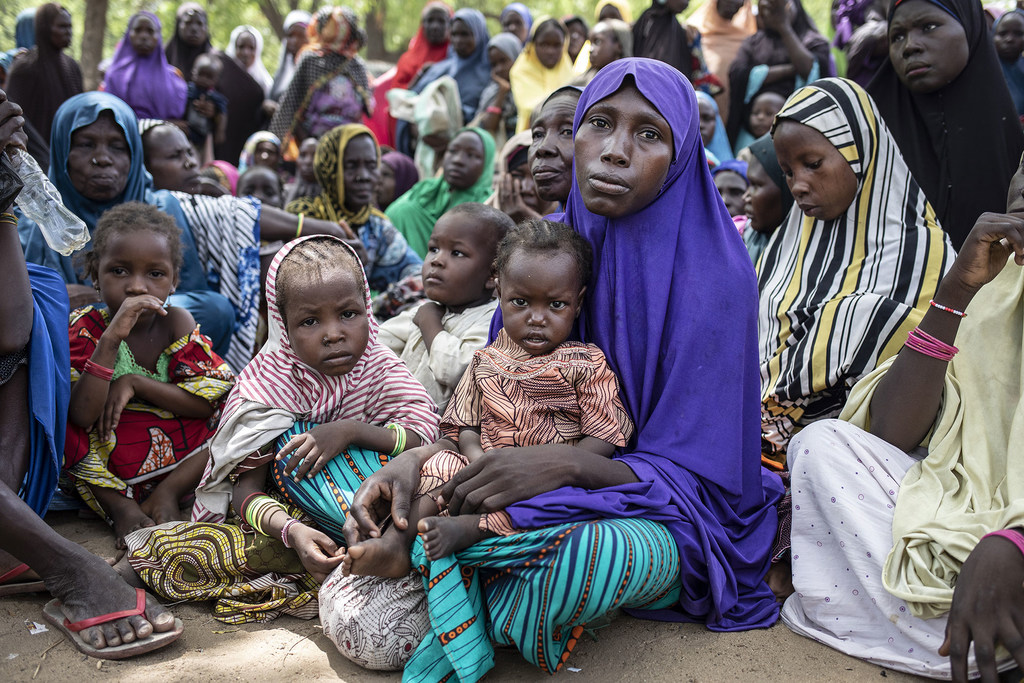
Beyond the guns and bombs lies a severe humanitarian emergency. In the Northeast alone, 7.2 million people require aid, with 6 million in critical condition. Food insecurity is a growing threat, with projections suggesting 36 million people could face hunger in the coming months. Over 3.5 million children under five are at risk of acute malnutrition, which has devastating long-term effects on cognitive development.
Despite these needs, international funding has collapsed. A humanitarian response plan that once received nearly $1 billion now struggles to reach even $200 million. This financial shortfall occurs as Nigéria also faces climate shocks like floods and droughts, alongside outbreaks of cholera and meningitis.
The responsibility of an economic giant
Nigéria presents a paradox: it is one of Africa’s largest economies yet faces a staggering humanitarian crisis. Unlike other conflict-ridden nations, Nigéria possesses significant resources, and the UN insists that the primary responsibility for the response lies with the federal and state governments.
The goal now is to transition leadership of the aid efforts to local authorities while ensuring donors do not turn away. “People do not want to live on handouts,” Mohamed Malik Fall concludes. “They want economic opportunities. It is better to teach someone to fish than to simply provide the fish.”