Diplomatic upheaval shakes Niamey as Spain withdraws its consul
In a decisive move that sent ripples through West African corridors of power, Spain has quietly but firmly recalled its consul in Niamey. The expulsion follows the dismantling of a sophisticated Schengen visa trafficking ring, where each fraudulent permit was sold for over 2.5 million West African CFA francs—roughly €3,800. The scandal has exposed a deeply rooted culture of state corruption, with direct ties to the inner circle of Niger’s transitional leadership, including the third-ranking figure in the National Council for the Safeguard of the Homeland (CNSP), General Mohamed Toumba.
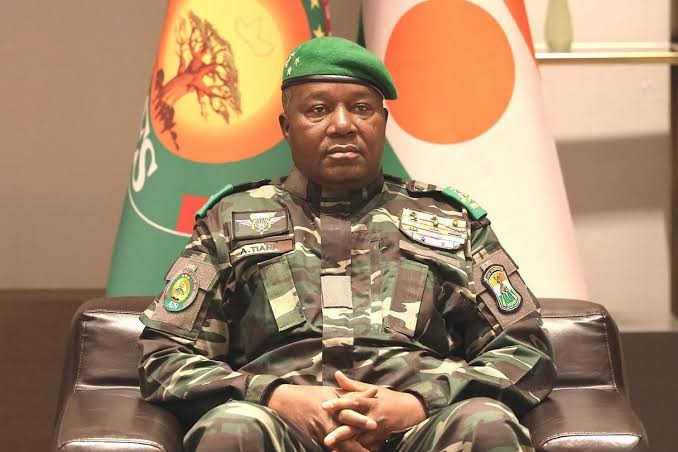
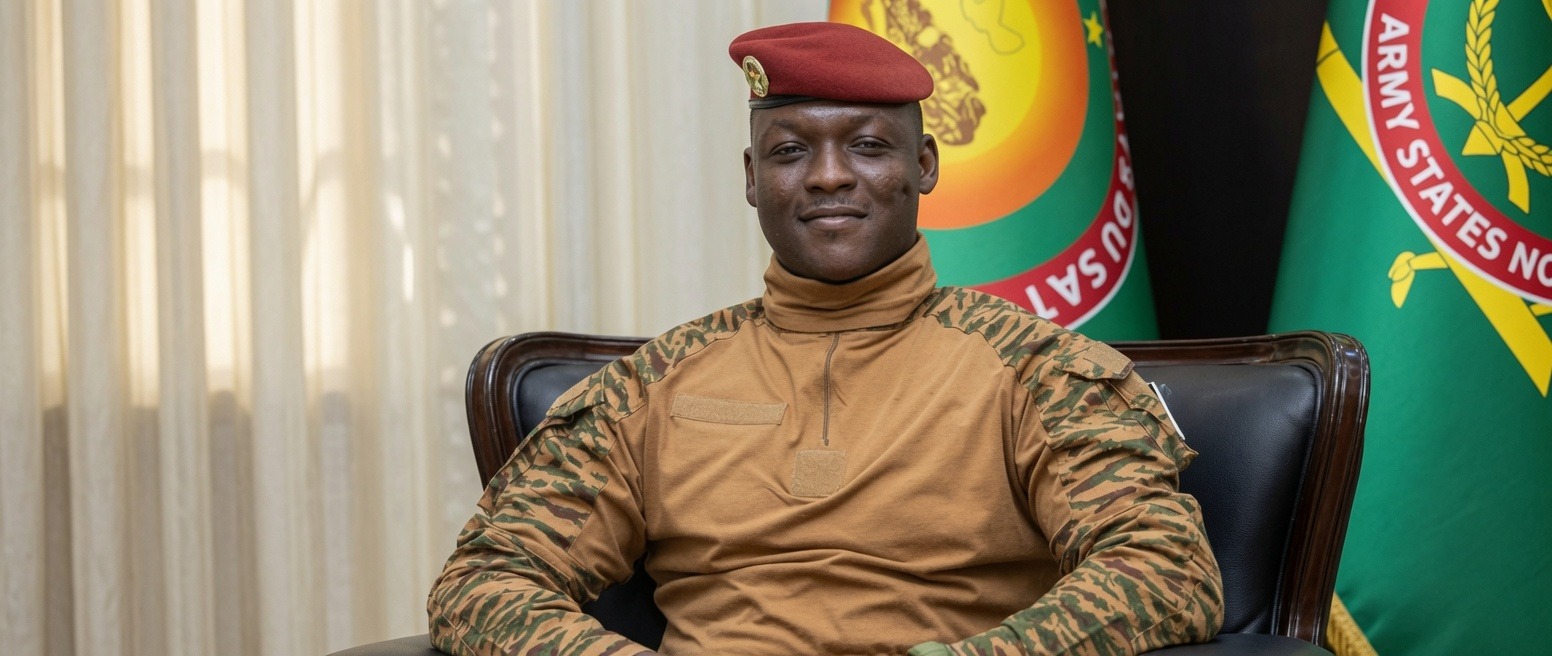
The fallout has left President Abdourahamane Tiani’s administration scrambling for answers, as the president’s conspicuous silence raises serious questions about the credibility of the junta’s much-touted anti-corruption drive.
Spanish diplomat becomes scapegoat in Niger’s visa scandal
Madrid’s decision to revoke the consul’s mandate marks a rare public rupture in Spanish-Nigerien diplomatic relations. While Spanish foreign affairs officials typically refrain from commenting on personnel shifts, security sources in Niamey confirm that the dismissal stems directly from the ongoing visa fraud investigation—a scandal that has rocked the capital for weeks.
The Spanish diplomat stands accused of either actively facilitating or passively enabling the illegal issuance of Schengen visas. The move sends a clear message: Spain will not tolerate corruption within its consular operations in Niger, even if it means sacrificing one of its own representatives to expose a larger transnational crime network.
Niger’s transitional government faces systemic corruption allegations
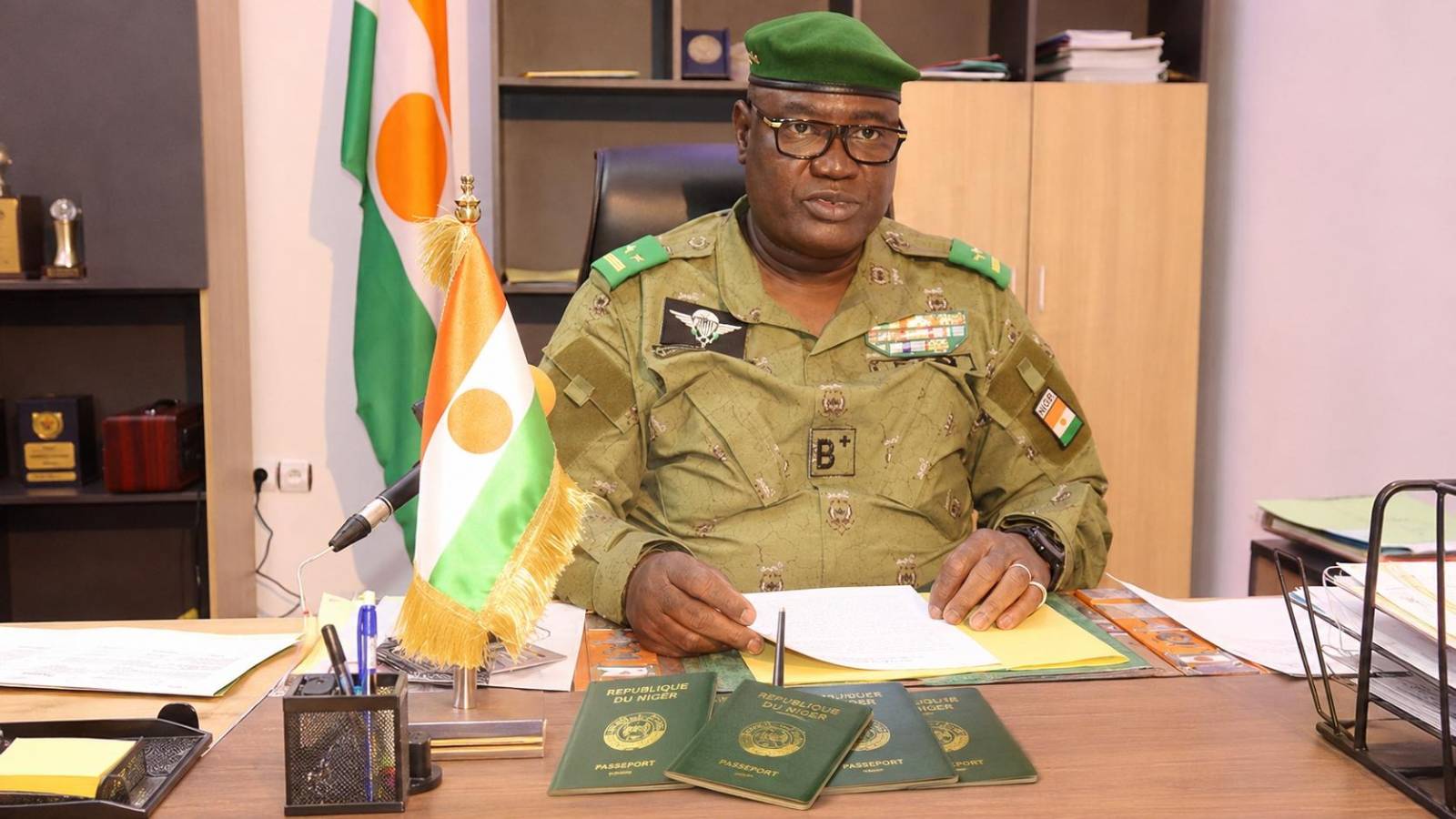
The scandal cuts far deeper than a single diplomat’s misconduct. Investigations by Niger’s Directorate-General for Documentation and External Security (DGDSE) reveal a meticulously organized corruption scheme, not the work of petty traffickers but a high-stakes operation operating from the highest echelons of state power. At the heart of the inquiry is the wife of General Mohamed Toumba, who serves as both Interior Minister and the CNSP’s third-ranking official.
Leveraging her husband’s considerable influence, she allegedly orchestrated a parallel visa distribution system. Each Schengen permit was sold for an exorbitant fee—2.5 million CFA francs—targeting wealthy traders and individuals seeking to flee the country. This monetization of diplomatic privileges has transformed state-sanctioned corruption into a lucrative business, benefiting the military elite while excluding ordinary Nigeriens from legal migration pathways.
Counter-espionage unit strikes at junta’s inner circle
The dismantling of the visa ring is credited to Lieutenant-Colonel Souleymane Balla Arabé, head of Niger’s counter-intelligence agency. Through intercepted communications and hard evidence, the DGDSE has dealt a severe blow to the façade of unity within the CNSP, exposing fissures within the transitional government.
General Toumba now finds himself on the defensive, his reputation irreparably damaged. Once a symbol of order and discipline within the junta, his alleged involvement in cross-border criminality has weakened his standing among peers and rank-and-file soldiers alike. The scandal threatens to unravel the fragile cohesion of a regime already grappling with internal power struggles.
President Tiani’s silence fuels speculation and distrust
As the scandal intensifies and Spain’s decisive action draws international attention, public scrutiny has turned to President Abdourahamane Tiani. Despite the gravity of the situation, no official statement, investigation, or disciplinary measure has been announced concerning General Toumba or his associates.
This unexplained silence is fueling speculation. Many in Niamey view it as a calculated political stance—one that may border on tacit complicity. When the CNSP seized power in July 2023, it vowed to dismantle institutional corruption and uphold justice. Yet, by failing to act against one of its most senior officials, Tiani risks undermining the very legitimacy of the transition, reinforcing perceptions that protecting the inner circle takes precedence over the promise of reform.
A turning point for Niger’s transitional government
The Spanish consul’s dismissal marks a pivotal moment in Niger’s post-coup trajectory. It exposes a paradox: a regime that publicly distances itself from Western powers while secretly enriching its leaders through access to the Schengen Zone. Madrid’s bold stance demonstrates a willingness to confront corruption head-on—but the question remains: Will Niamey follow suit?
For now, Niger’s people and international partners watch closely. Will Tiani uphold the principles of transparency and justice he once pledged, or will the protection of internal power dynamics prevail, leaving the promise of a fairer Niger unfulfilled?