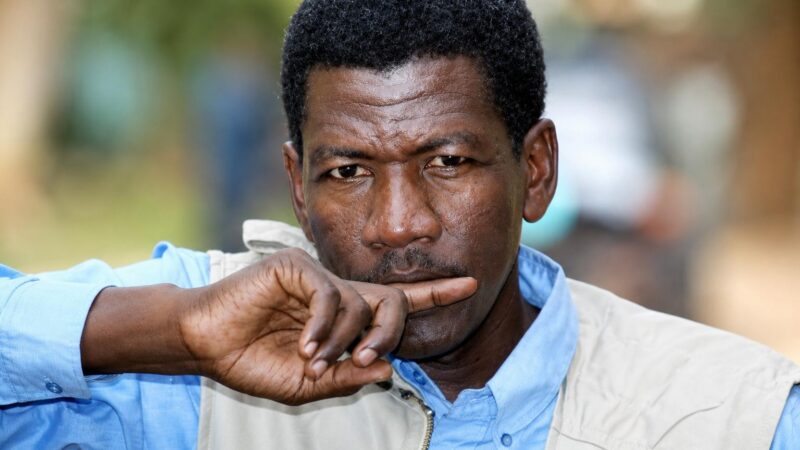
Niger strips activist mayra of citizenship over criticism
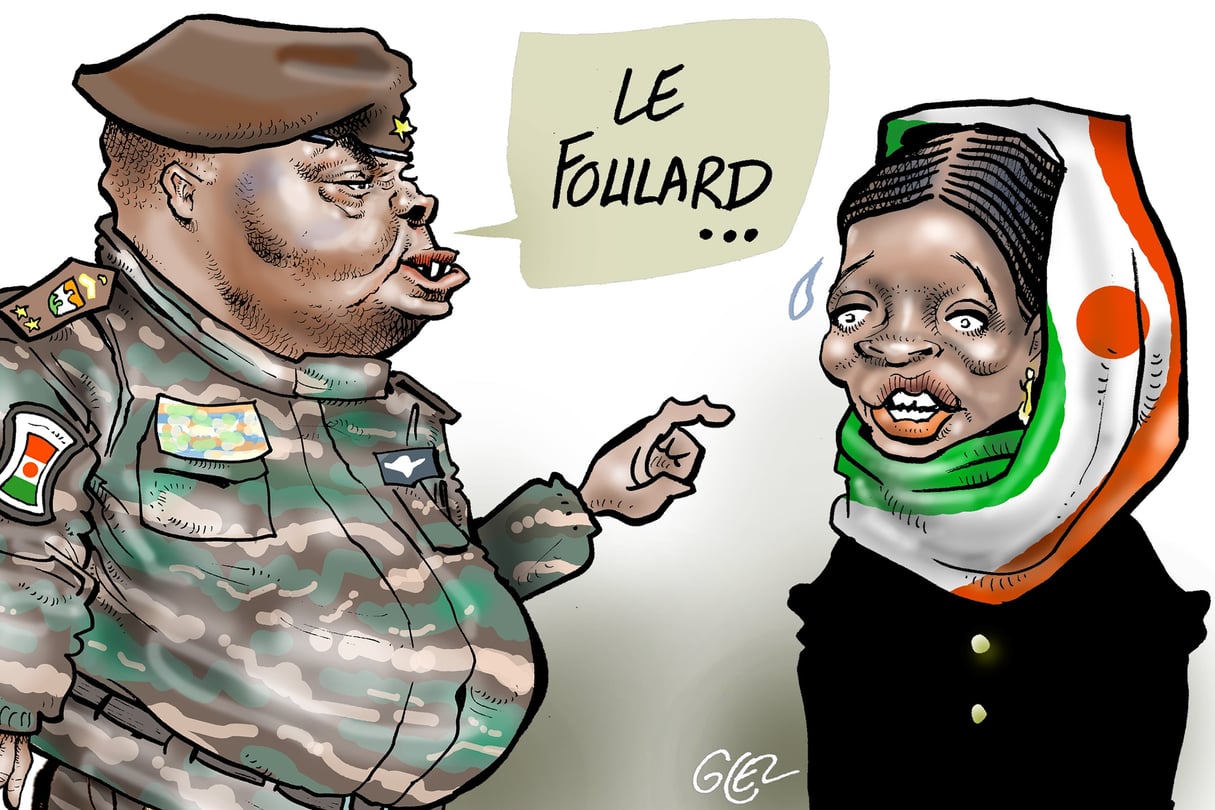
Niger revokes citizenship of outspoken activist Mayra
In a sweeping move that has sent shockwaves through Niger’s civil society, the ruling military authorities have stripped prominent activist Mariama Djibrine—widely recognized by her alias Mayra—of her Nigerien citizenship. The decision, confirmed earlier this week, marks a sharp escalation in the government’s crackdown on dissent, particularly targeting vocal critics of the current political transition.
Mayra, a well-known human rights advocate and public commentator, has long been a thorn in the side of authorities. Her sharp criticism of governance failures and calls for accountability have earned her both admiration and controversy. The government justified the revocation by citing alleged violations of national integrity, though no specific charges were formally disclosed.
Legal and political fallout intensifies
The decree stripping Mayra of her citizenship has triggered urgent debates over its legality and implications for Niger’s democratic future. Legal experts argue that the move sets a dangerous precedent, undermining constitutional protections and potentially exposing other critics to similar actions. The government, however, maintains that the decision aligns with national security imperatives.
Political analysts suggest this could signal a broader strategy to silence opposition voices ahead of anticipated elections or further consolidation of military rule. The timing of the revocation, coming amid heightened tensions in the Sahel, has raised concerns about the shrinking space for civic engagement across the region.
Reactions from civil society and international observers
Mayra’s removal from Nigerien citizenship has drawn condemnation from local and international advocacy groups. Civil society organizations have decried the move as an abuse of power, warning of a chilling effect on free expression. Human rights defenders are calling for urgent intervention to reverse the decision and protect the rights of all citizens, regardless of their political views.
International observers have also weighed in, expressing grave concerns over the erosion of democratic norms. The incident has prompted calls for transparency and adherence to international human rights standards, with many urging Niger’s transitional authorities to reconsider their approach to dissent.
What’s next for Mayra?
With her citizenship revoked, Mayra now faces an uncertain future. Legal avenues to challenge the decision are reportedly being explored, but the path forward remains unclear. Observers warn that the case could further polarize Niger’s already tense political landscape, with potential ripple effects on regional stability.
The government’s actions against Mayra underscore the broader challenges facing Niger as it navigates a delicate transition. As the international community watches closely, the coming weeks will be critical in determining whether the country can preserve its democratic foundations—or succumb to further authoritarian drift.