When the architect of instability becomes the target
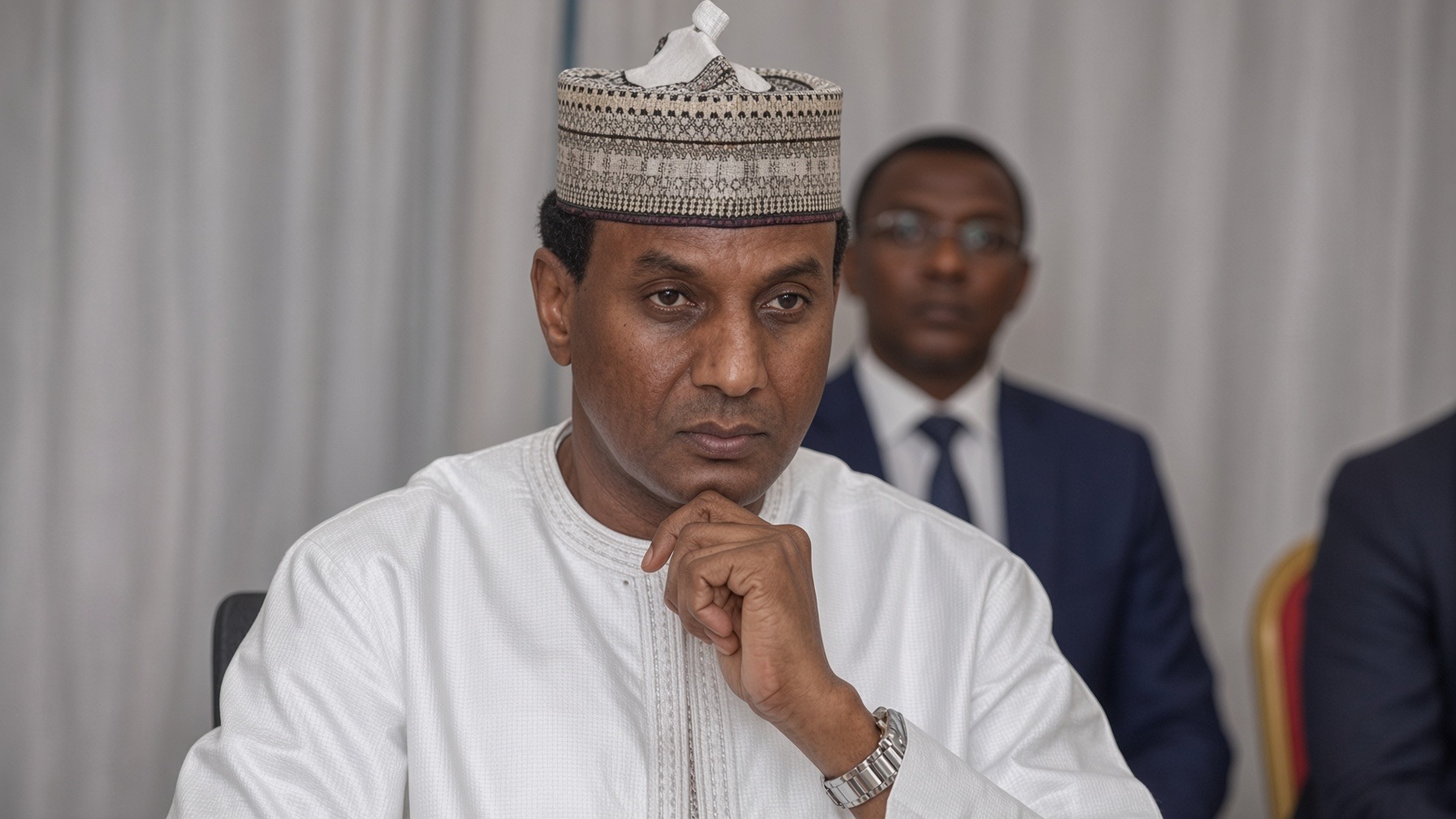
The political chessboard of West Africa often delivers a harsh lesson: those who sow chaos rarely escape the storm. While observers were dissecting the financial and logistical threads of the failed coup in Cotonou—where clear ties to Niamey’s regime and its steadfast allies were exposed—the tables turned with brutal swiftness. In the early hours of August 29, gunfire and artillery blasts rattled the very core of General Abdourahamane Tiani’s regime in Niamey. A tragic irony, yes, but one rooted in an unshakable political logic.
The Niamey-Ouagadougou-Lomé axis and the export of instability
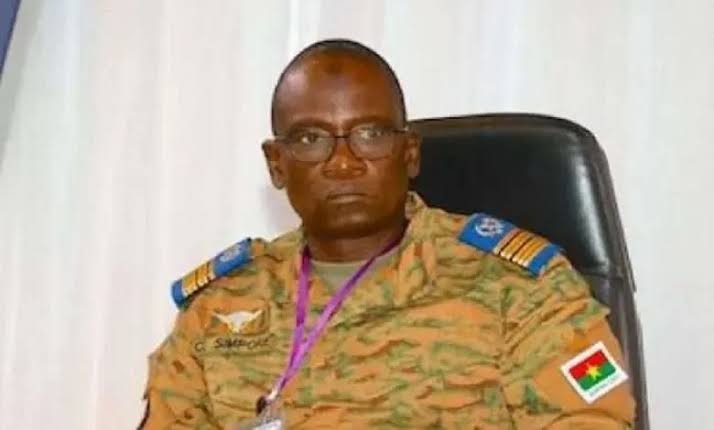
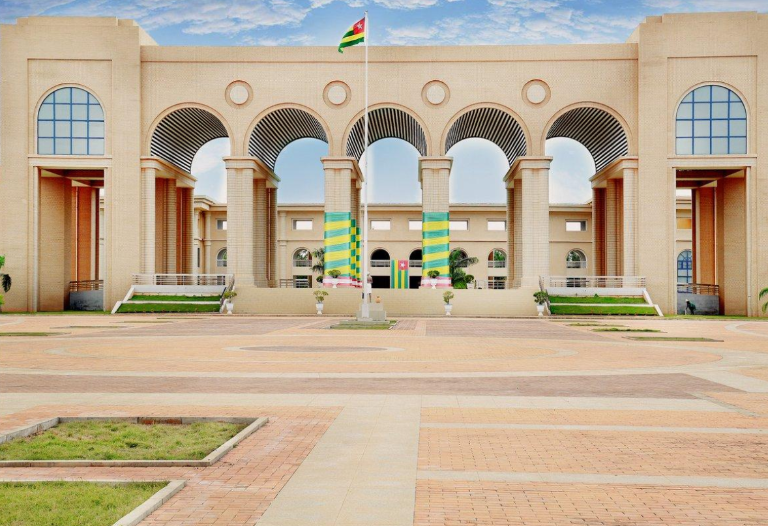
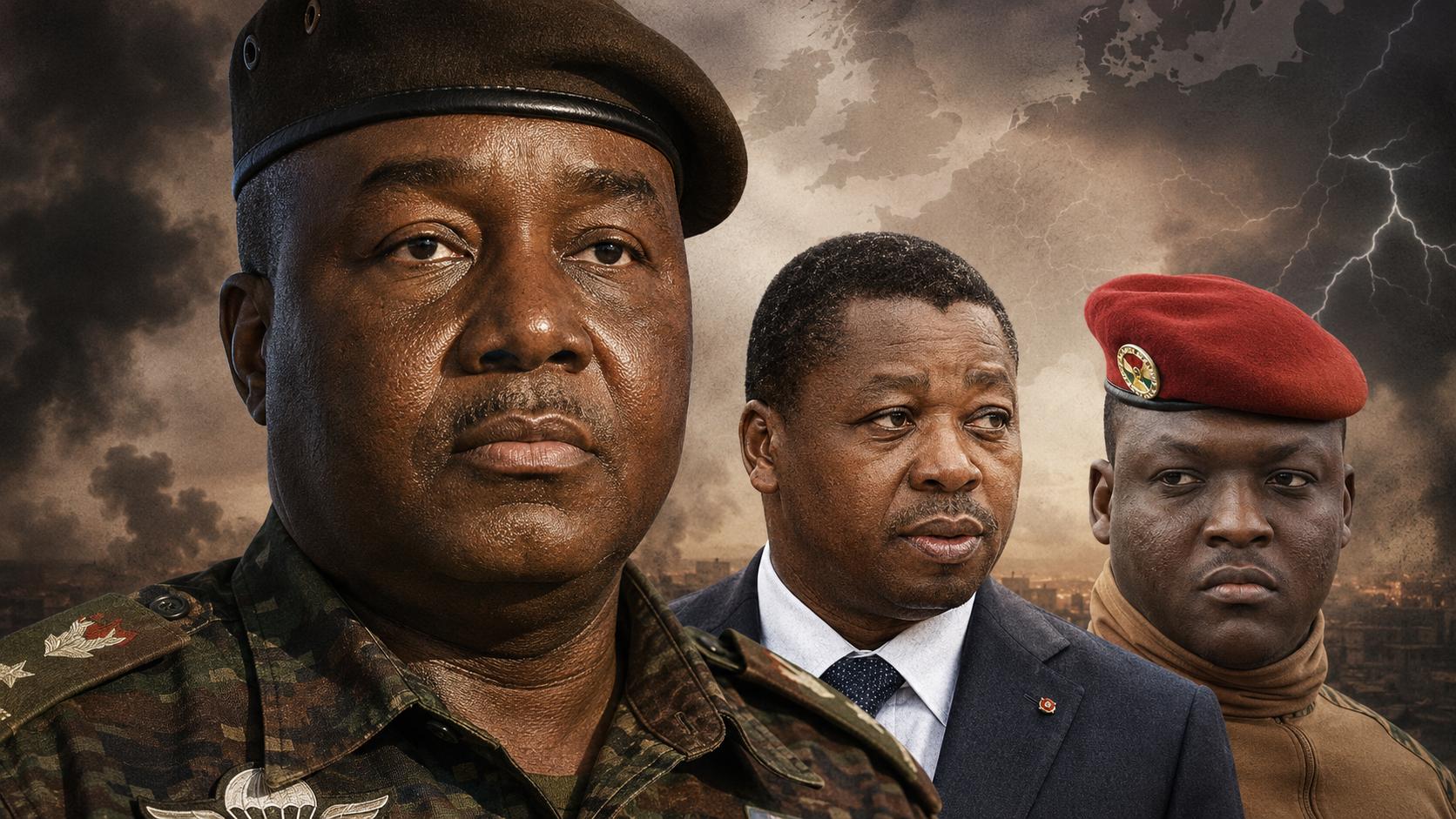
For months, Niger’s National Council for the Safeguard of the Homeland (CNSP) had sought to shore up its shaky foundation by forging a tight alliance with Burkina Faso’s Captain Ibrahim Traoré and Togo’s Faure Gnassingbé. By pooling resources to bankroll destabilization efforts in Benin, Tiani’s regime aimed to deflect attention from its own vulnerabilities while silencing a neighbor it deemed obstructive.
This ad-hoc coalition—built on shared ambitions—sought to undermine regional democracies, paving the way for military authoritarianism to take root. Yet, in its desperation to meddle in Benin’s affairs, the junta in Niamey overlooked a glaring truth: a house built on sand cannot withstand the winds of its own making.
Military rule’s structural fragility laid bare
The chaos that erupted near Niamey’s Air Base 101 and presidential palace serves as a stark reminder of a reality the Sahel States Alliance can no longer obscure: rotten fruit spoils from within. By seizing power through force in July 2023, General Tiani did more than stage a coup—he enshrined the rifle as the sole instrument of succession in Niger.
While Tiani’s regime funneled resources into destabilizing Benin alongside Traoré—with Faure Gnassingbé’s quiet backing—it simultaneously grappled with a surge in insecurity and simmering discontent within its own ranks. The junta’s miscalculation? It dug its own grave.
The consequences of this flawed strategy are now impossible to ignore:
- Resource drain: Military and financial assets meant to combat terrorism and unify troops were diverted toward regional political sabotage.
- Command fractures: Niger’s armed forces, splintered into factions, now project an image of disarray. When officers witness their leaders bankrolling coups abroad, they learn a dangerous lesson: power in Niamey is just as vulnerable to the next armed faction.
- Eroding security promises: With a transition timeline still shrouded in ambiguity and security outcomes on the ground under scrutiny, rank-and-file soldiers’ patience has worn thin.
The law of unintended consequences
The Sahel’s political history is unforgiving to those who gamble with instability. A regime cannot stand on the ruins of its neighbors. By co-financing chaos in Cotonou, Tiani’s government accelerated the unraveling of its own domestic weaknesses.
The turmoil that shook Niamey on August 29 wasn’t an isolated incident—it was the death rattle of a system on its last legs. General Tiani is now confronting an immutable truth: the very weapons and funding networks used to destabilize others are the same ones that turned inward.
As Niger’s grip on power wavers and the web of interference unravels, a pressing question looms over the region: should Faure Gnassingbé and Ibrahim Traoré brace themselves for the same reckoning?