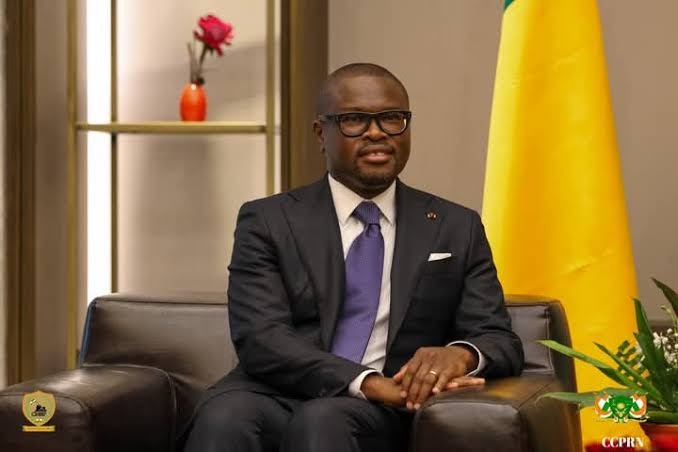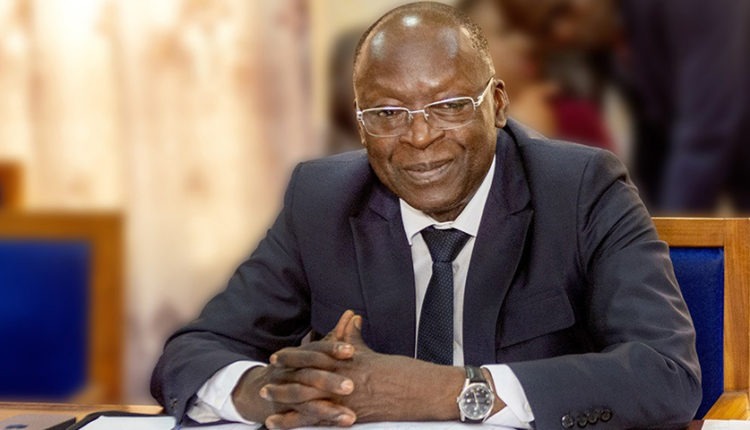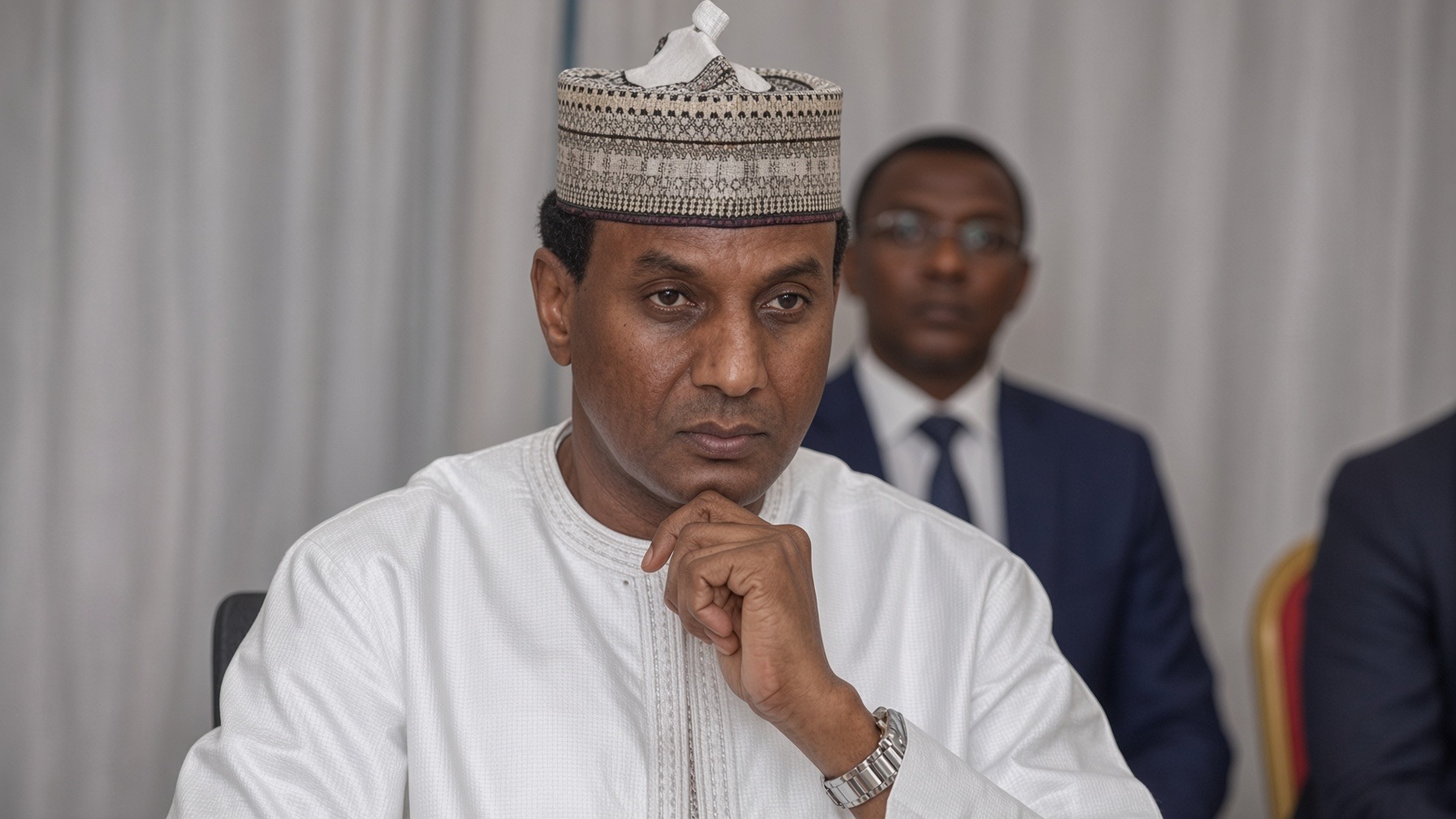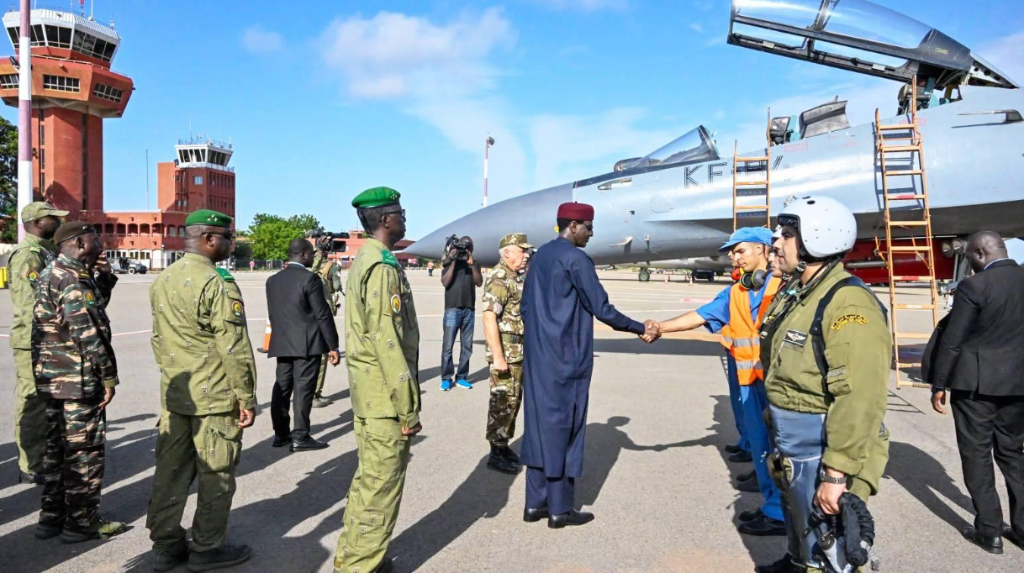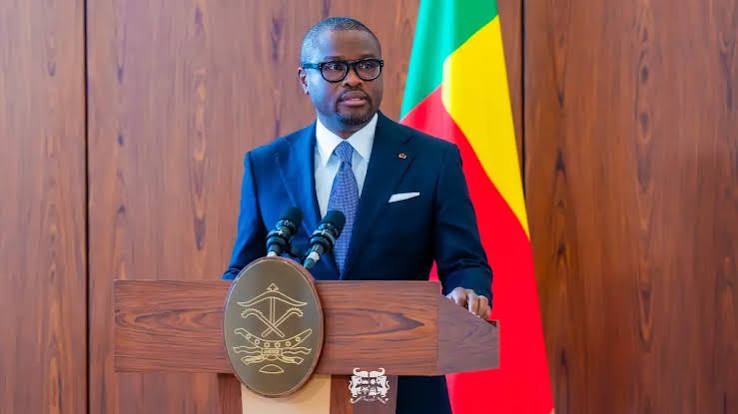
After three years of strained relations, the Niger-Bénin border may be on the verge of a diplomatic thaw. The recent visit of Nigerien Prime Minister Ali Lamine Zeine to Cotonou for the inauguration of Beninese President Romuald Wadagni has reopened a crucial dialogue channel between Niamey and Cotonou. During the meeting, the Nigerien head of government highlighted a “new pathway” for bilateral cooperation, a diplomatic signal widely interpreted as the first step toward easing tensions that escalated following the July 2023 coup in Niger.
Tensions peaked in 2023 when the Malanville border post, the primary commercial gateway between the two nations, was closed. This decision followed the Economic Community of West African States (ECOWAS) sanctions against Niger’s military-led government. The closure disrupted trade flows, forcing businesses on both sides to reroute fuel, food, and goods through Burkina Faso and Togo—driving up operational costs and complicating supply chains.
Economic fallout: a costly blockade
The closure of Malanville had severe repercussions for both economies. Historically, the port of Cotonou served as Niger’s main maritime access point, given the country’s landlocked geography. Its exclusion disrupted Beninese customs revenue while complicating Niamey’s logistics, particularly after the Agadem-Sèmè-Kpodji oil pipeline became operational. The dispute over this infrastructure, operated in partnership with China National Petroleum Corporation (CNPC), deepened mistrust between the two capitals in 2024.
For border communities, the blockade led to economic strangulation. Local economies—dependent on transit trade—suffered as informal traders and transporters resorted to hazardous secondary routes, fueling unregulated and hard-to-monitor parallel markets. Local economist Olivier Vallée, a former Nigerien government advisor, notes that an official reopening would bring immediate relief to households on both sides of the border.
Security concerns: the lingering obstacle
Despite diplomatic progress, security remains a major sticking point. Benin faces growing threats from Islamic State-affiliated groups and the Jama’at Nusrat al-Islam wal-Muslimin (JNIM) in its northern regions, particularly near the W National Park and Pendjari Reserve. Cotonou fears that an unregulated reopening of Malanville could facilitate the movement of fighters and logistical support to these armed factions operating in the tri-border area.
Niger’s transitional authorities share similar concerns. Since the 2023 coup, Niamey has accused Benin of harboring anti-junta elements on its soil, alleging the presence of training camps—a claim dismissed by Cotonou. This mutual suspicion has fueled fears of infiltration, whether by jihadist groups or political adversaries, complicating efforts to restore trust.
Conditional rapprochement: steps toward normalization
The arrival of Romuald Wadagni as Benin’s president has shifted the dynamics. A respected former Finance Minister with strong ties to international donors, Wadagni inherits a dossier where economic interests demand swift reconciliation. The resumption of Nigerien crude oil exports via Cotonou’s Sèmè-Kpodji terminal represents billions of CFA francs in annual revenue for both treasuries.
However, the path to full normalization remains uncertain. Key technical milestones must be addressed, including the establishment of enhanced border control protocols at Malanville, the potential reactivation of a joint security commission, and the resolution of the status of citizens stranded since 2023. The broader geopolitical context adds complexity: Niger’s departure from ECOWAS—alongside Mali and Burkina Faso—to form the Sahel States Confederation introduces new institutional variables into the equation. The gesture made in Cotonou stands as the most tangible political signal since the crisis began.