The relatives of Mountaga Tall, a distinguished Malian lawyer and influential political figure, have confirmed their intention to initiate legal proceedings. This decision comes in the wake of his abduction from his Bamako residence. This development, which has been a topic of discussion within legal and diplomatic circles for several days, represents a significant turning point in a case that continues to vex Mali’s transitional authorities and fuel discussions surrounding the rule of law across the nation.
As a former presidential candidate on multiple occasions and a minister during the tenure of President Ibrahim Boubacar Keïta, Mountaga Tall stands as a testament to a generation of legal professionals deeply involved in public life. His apprehension, under circumstances that remain shrouded in mystery, has provoked widespread condemnation. This outcry resonates not only within the National Council for a New Mali (CNID), the political party he leads, but also among various professional organizations representing lawyers.
Legal recourse to demand transparency
Individuals close to the Bamako-based jurist indicate that multiple complaints are forthcoming. These filings aim to secure comprehensive details regarding the circumstances of his disappearance and to identify those responsible for ordering it. Furthermore, the legal strategy seeks to compel his immediate release and to obtain official acknowledgement of his detention, should it be confirmed. The family is committed to rallying support from the Bamako Bar, where Mountaga Tall remains a revered figure, alongside international organizations dedicated to protecting the rights of lawyers.
This assertive legal approach is a direct response to a situation deemed intolerable. Weeks have elapsed since the incident, yet no official statement from Malian authorities has clarified the lawyer’s whereabouts or condition. The conspicuous silence from security services, particularly given Mountaga Tall’s public profile, is interpreted by his supporters as further evidence of state or state-affiliated involvement. Consequently, seeking judicial intervention emerges as one of the few institutional avenues available in these circumstances.
Escalating political tensions during the transition
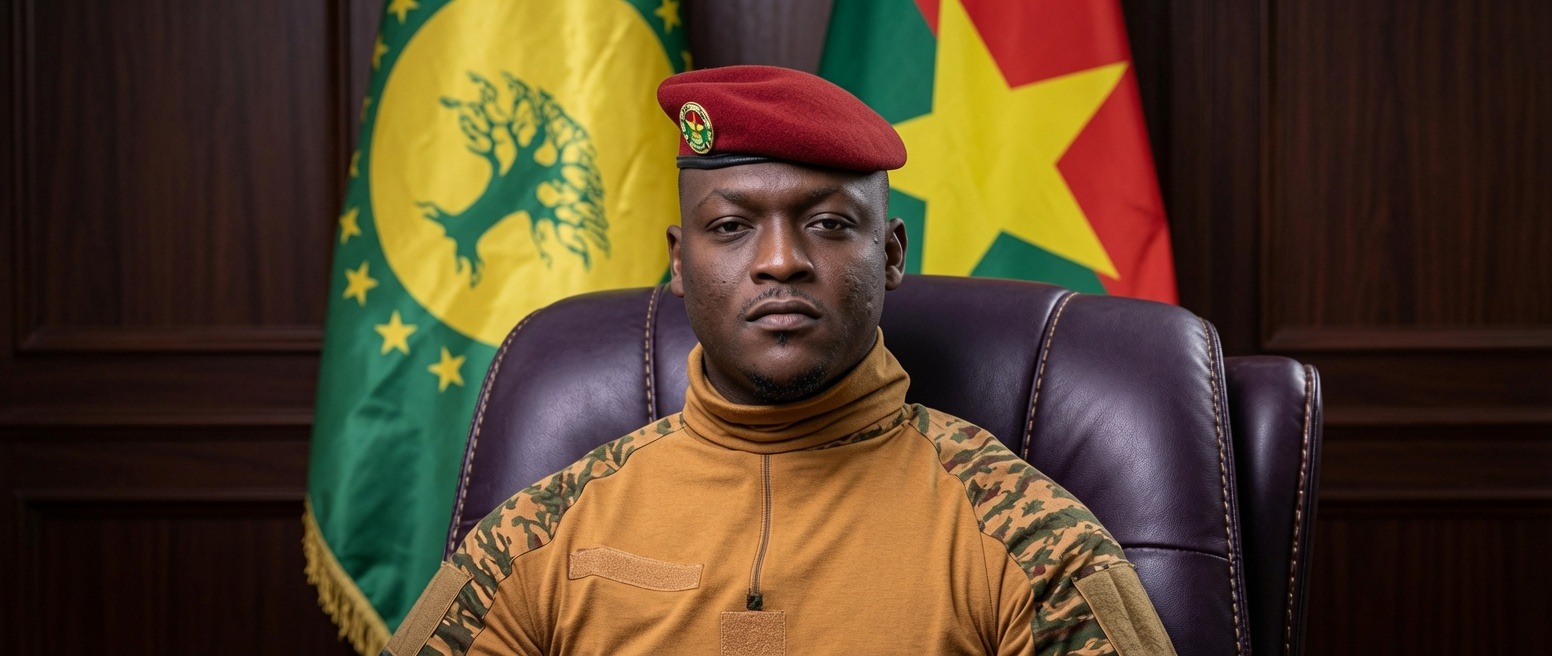
The Mountaga Tall case is part of a broader pattern of escalating tensions between the transitional government, led by General Assimi Goïta, and dissenting voices within civil society. Since the spring’s decision to suspend political party activities, numerous prominent individuals have reported experiencing various forms of pressure, arbitrary arrests, or temporary disappearances. This group includes leading members of the legal profession, journalists, and former political officials.
For the Western diplomatic missions still operating in Bamako, and for the Economic Community of West African States (ECOWAS), these incidents are fueling widespread concern. Mali’s current trajectory, characterized by closer ties with Moscow and its withdrawal from several regional organizations, coincides with a discernible, though sometimes difficult to quantify, constriction of civic space. In this context, the abduction of a lawyer of Mountaga Tall’s standing serves as a stark indicator of the prevailing climate.
The Malian Bar Association, historically a proactive defender of public liberties, now grapples with a profound dilemma. An overly confrontational stance risks exposing its members to severe repercussions, yet prolonged silence could undermine its credibility. Several legal professionals I’ve spoken with mention the development of a collective initiative. This effort might involve formal appeals to both the African Commission on Human and Peoples’ Rights and the United Nations Special Rapporteur on the Independence of Judges and Lawyers.
Regional impact of the legal proceedings
Beyond the specifics of this individual case, the Tall family’s legal endeavor could establish an important precedent within a Sahelian region witnessing a concerning erosion of procedural safeguards. Both Burkina Faso and Niger, key partners with Mali in the Alliance of Sahel States (AES), are experiencing similar instances of civil figures being detained or marginalized. The Malian judicial system’s ability to thoroughly investigate a case potentially implicating state services will serve as a crucial real-world test of its independence and effectiveness.
Nevertheless, past events counsel caution. Investigations into previous disappearances have, to date, not resulted in any public indictments. Mountaga Tall’s close associates are acutely aware of this reality, and they are placing their hopes equally on international pressure and the rigorous conclusion of domestic legal processes. Tangibly, the Malian diaspora across Europe and North America has already begun organizing a support committee.
The family has confirmed that legal steps will be initiated in the coming days, though they have not specified the initial court of jurisdiction.