Senegal confronts escalating cyber threats to state infrastructure
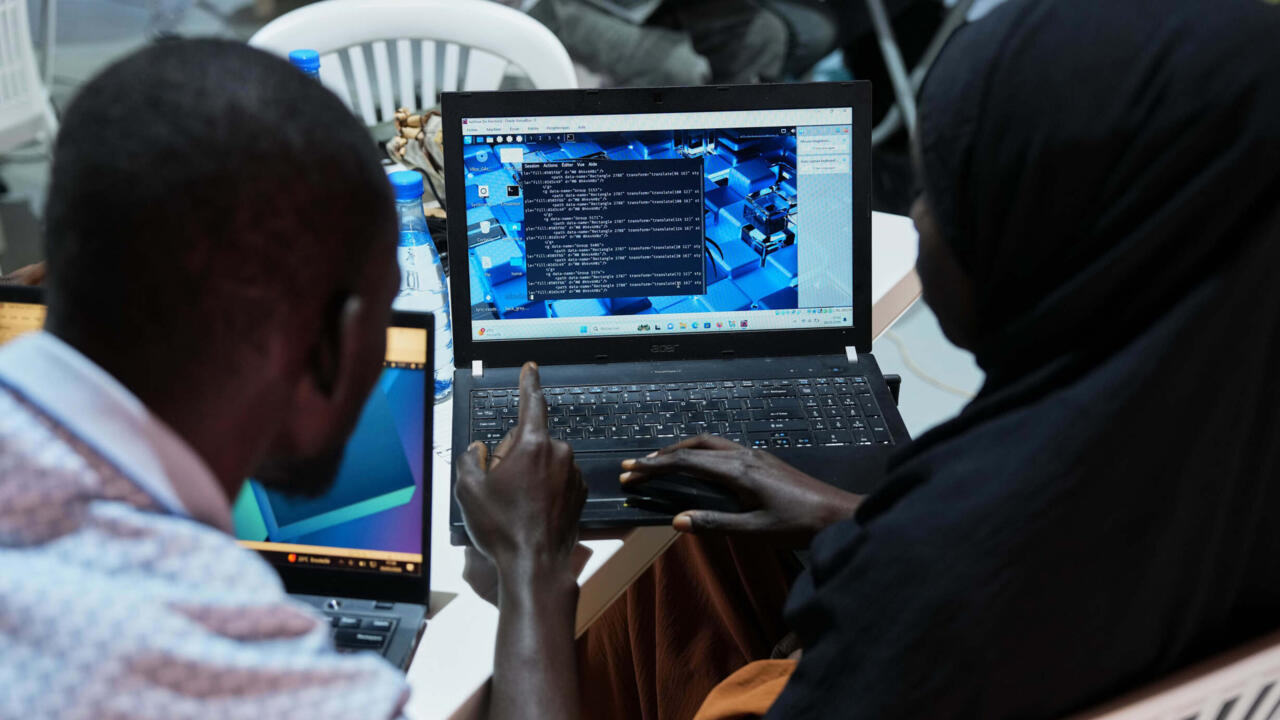
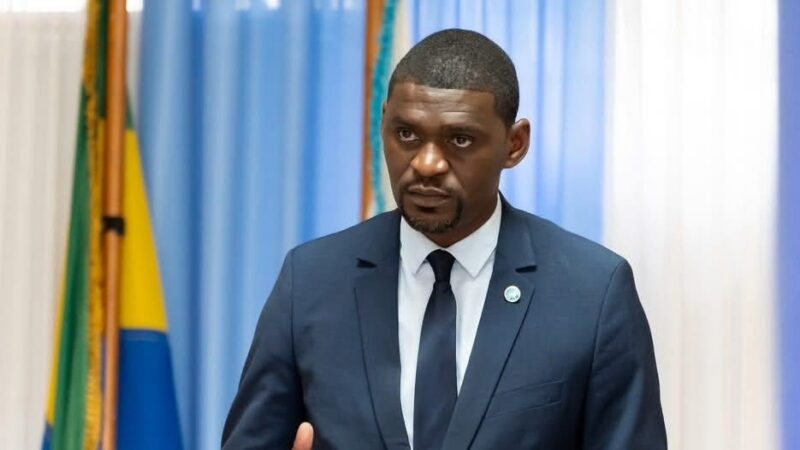
Senegal is grappling with a concerning escalation in cyberattacks targeting its vital state institutions. Following intrusions into the tax authority’s website in October and the national identity card department in January, the Public Treasury has now fallen victim to digital assailants.
Initially, any single incident might have been dismissed as a routine technical glitch. However, the recurring nature of these breaches and the critical importance of the institutions affected are painting a far more alarming picture: one that highlights the profound vulnerability of the nation’s digital and public infrastructure.
The imperative for Senegal to bolster its digital resilience has never been clearer. A leading cybersecurity expert, speaking from Dakar, has advocated for the establishment of a dedicated national cybersecurity agency. Such an entity would be crucial for enhancing the coordination of incident response efforts. The expert further emphasized the necessity of developing centers of excellence, fostering research, and more deeply integrating local experts into national strategic projects to fortify the country’s digital defenses.
Mountaga Tall’s family announces legal action
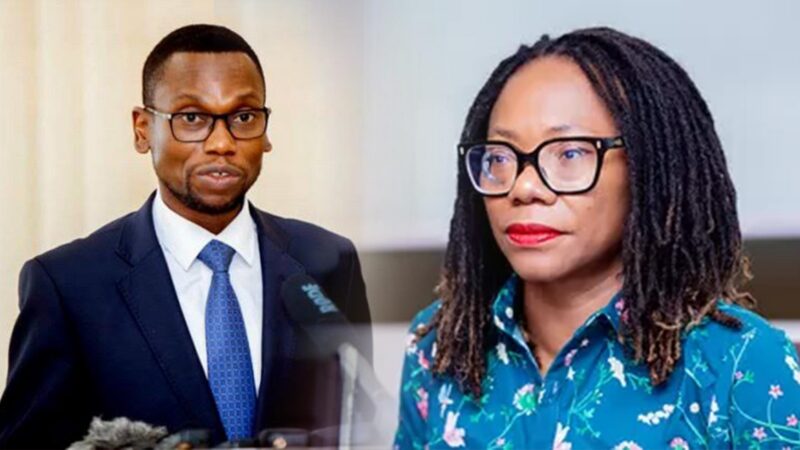
The Malian lawyer and politician, Mountaga Tall, was reportedly seized by armed, masked individuals earlier this month. This incident draws striking parallels to the detention of lawyer Guy Hervé Kam in Burkina Faso in January 2024. Tall, a prominent leader of the political movement Sens, has since been charged with “conspiracy against state security” and “criminal association.” Both cases exhibit unsettling similarities: opaque disappearances or arrests, an initial lack of clear official communication, the immediate mobilization of legal teams, and a surge of online campaigns. These events underscore a growing tension between legitimate security demands and the fundamental respect for public liberties across the region.
Constitutional reform debate continues in DRC
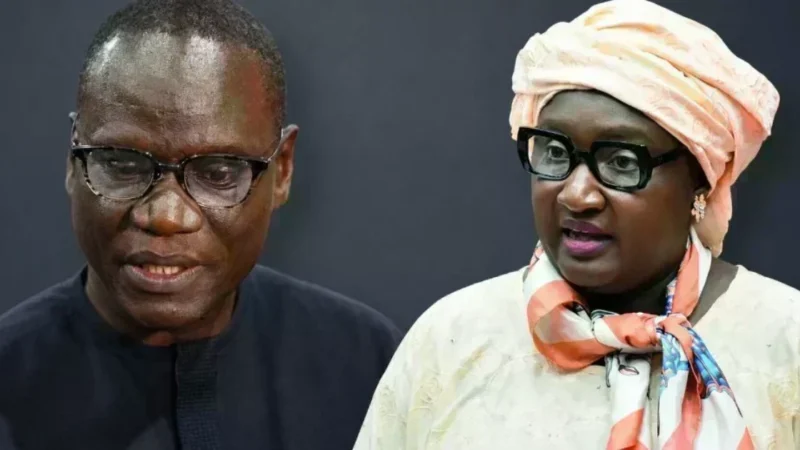
The debate surrounding constitutional reform in the Democratic Republic of Congo remains a contentious issue. Ejiba Yamapia, president of the Congo Revival Church, has publicly called for a comprehensive overhaul of the 2006 Constitution, which he controversially labeled a “constitution of belligerence.” Yamapia advocates for a new foundational law that prioritizes “development and sovereignty,” proposing a shift towards a more presidential system. He urges political leaders to prioritize “republican consensus over electoral interests.” These remarks have ignited strong condemnation from segments of the opposition. Prince Epenge, spokesperson for the Lamuka coalition, voiced his alarm, suggesting the Church is becoming “a soldier serving Félix Tshisekedi’s third term,” and directly criticized Yamapia’s stance.
Passing of African Athletics Confederation president
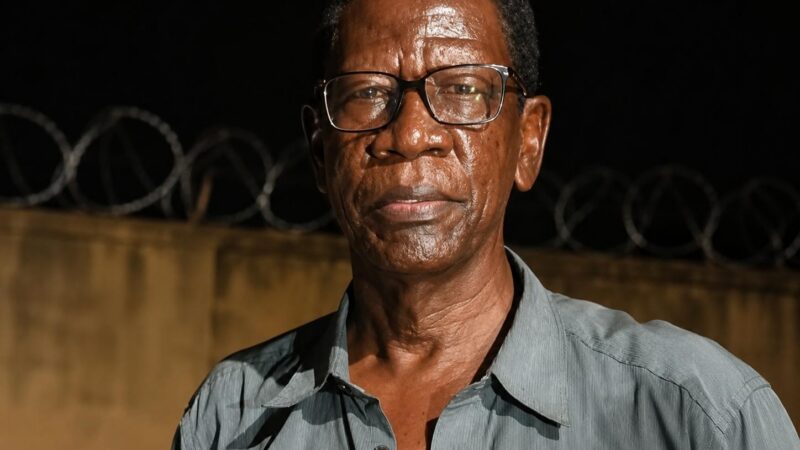
Colonel Hamad Kalkaba Malboum, president of the African Athletics Confederation and head of the Cameroonian National Olympic and Sports Committee, has passed away in Yaoundé at the age of 75. Tributes have poured in, including a heartfelt homage from Moroccan athlete Aziz Daouda. Daouda lamented that African athletics has lost more than just a leader; it has lost a dedicated activist. He reflected that Malboum’s passing marks the end of an era, as he was among the last great builders of a generation convinced that Africa could claim its rightful place in global sporting bodies. For Malboum, Africa was not merely a reservoir of talent to be exploited by other nations; it was destined to become an organized, respected, and influential sports powerhouse.