Morocco’s demographic shift by 2060: urban growth, shrinking youth, aging population
The High Commission for Planning has released groundbreaking demographic projections for Morocco, spanning from 2024 to 2060. These forecasts, based on varying scenarios of fertility, mortality, and migration trends, paint a vivid picture of the kingdom’s future population landscape.
Population growth slows significantly
Under the median scenario, Morocco’s population is projected to rise from 36.8 million in 2024 to 43.3 million by 2060, marking a 17.8% increase over 36 years. This translates to an average annual addition of 182,000 inhabitants—a marked deceleration compared to past decades. By 2060, the yearly growth rate is expected to hover around zero, signaling a near-stagnation phase in demographic expansion.
Urban expansion reshapes living spaces
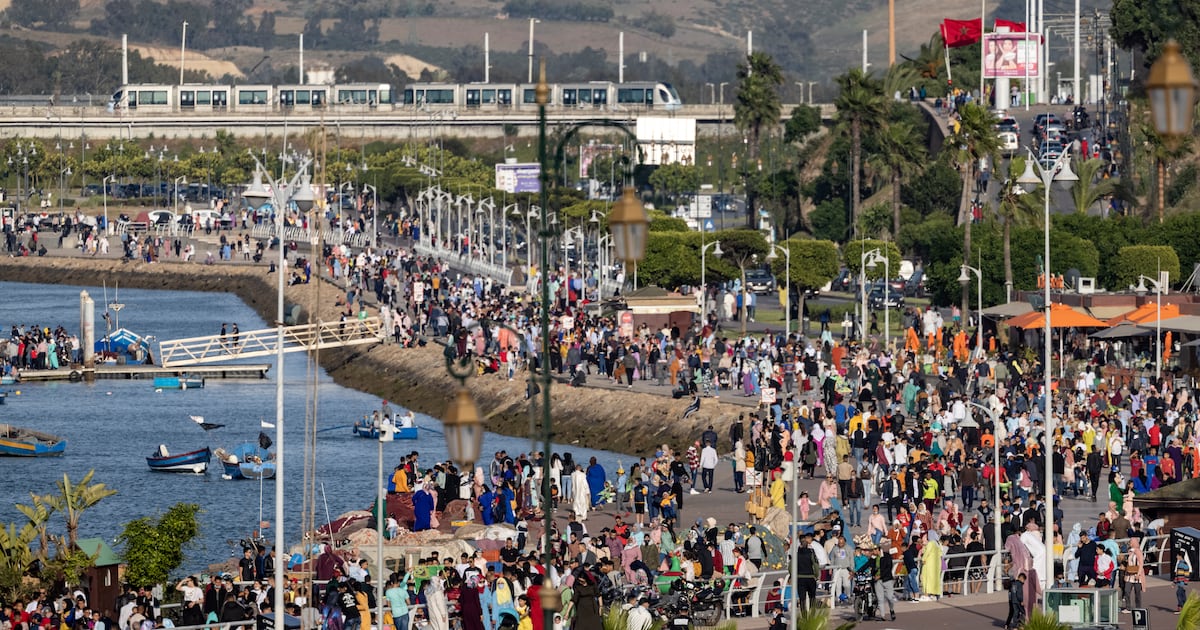
The urban population is set to surge to 32.5 million by mid-century, constituting roughly three-quarters of the total population. Conversely, rural areas will witness a steep decline, shrinking to 10.8 million residents. This urban surge underscores pressing challenges in housing, infrastructure, and social services, demanding urgent policy interventions to curb territorial imbalances.
The commission emphasizes the need to bolster rural development—not just to improve living conditions but to retain young populations and harness local resources, preserving the nation’s social and territorial equilibrium.
Fewer births, fewer schoolchildren ahead
A sharp drop in fertility rates will drastically reduce the ranks of younger generations. The preschool-age cohort (4-5 years) is projected to shrink by 23.8%, from 1.25 million to 960,000. Primary school-aged children (6-11 years) will decline by 27%, falling from 4.16 million to 3.04 million. Similarly, middle school students (12-14 years) will drop by 22.9%, and high school teens (15-17 years) will see a 11.4% reduction.
These shifts present a strategic opportunity: the shrinking student population could redirect resources from expanding school infrastructure to enhancing pedagogical quality and teacher training, easing administrative pressures.
Working-age population grows unevenly
The working-age segment (15-59 years) is expected to climb from 22.08 million to 24.96 million, a 13.1% rise. Yet this growth is heavily skewed toward urban areas, where the workforce will swell by 34.4% (from 14.2 to 19.1 million). Rural working-age populations, however, will plummet by 25.4%, from 7.9 to 5.9 million. The commission warns this imbalance will intensify pressure on urban labor markets, particularly as rural youth migrate to cities in search of opportunities.
The 18-24 age group—key new entrants to the workforce—will see a slight national decline of 3.1% (from 3.89 to 3.77 million), though urban areas will experience an 11.3% increase (2.47 to 2.75 million), while rural zones face a steep 28.3% drop (1.42 to 1.01 million). Meanwhile, the 50-59 age bracket will surge by 44.9% nationwide, driven by a 76.6% rise in cities versus a 17.4% decline in rural zones.
A demographic dividend before aging accelerates
Morocco stands at a critical juncture: its working-age population is expanding faster than dependent cohorts (youth and elderly), creating a temporary demographic dividend. This window offers a chance to maximize labor force productivity before aging tips the balance. The commission stresses that strategic investments in skills, infrastructure, and employment policies are essential to capitalize on this opportunity before the population pyramid shifts irreversibly.
Senior population triples in four decades
Those aged 60 and older will more than double, jumping from 5 million in 2024 to 10.9 million by 2060—accounting for 25.2% of the total population, up from 13.6% today. This surge reflects two key drivers: rural-to-urban migration, which concentrates aging populations in cities, and higher rural mortality rates that limit elderly growth in the countryside.
The 70+ age group will see the most dramatic rise, tripling from 2.06 million to 6.3 million. Urban septuagenarians will skyrocket by 256% (1.25 to 4.44 million), while rural numbers will climb more modestly (0.81 to 1.86 million). This trend stems from reduced fertility since 1975—the onset of Morocco’s demographic transition—and sustained declines in mortality, compounded by migration patterns.
The commission highlights that generations born post-1975 will reach retirement age after 2035, accelerating the aging curve in subsequent decades. This structural shift demands proactive policies in pension financing, healthcare adaptation, and intergenerational solidarity, especially as urbanization weakens traditional family support networks.
Public policies must act now
The institution warns that rapid aging will inflate the dependency ratio—the number of dependents per working-age adult—posing challenges in pension sustainability, elderly care, and social cohesion. The High Commission underscores that aging is an irreversible structural trend, requiring immediate foresight in education, employment, urban planning, and social protection to navigate Morocco’s slower-growing yet rapidly aging society.