Morocco reaffirms support for Libya’s political process
Morocco reaffirmed its unwavering commitment to a political resolution of the Libyan crisis during a Tuesday session of the African Union Peace and Security Council (AU PSC).
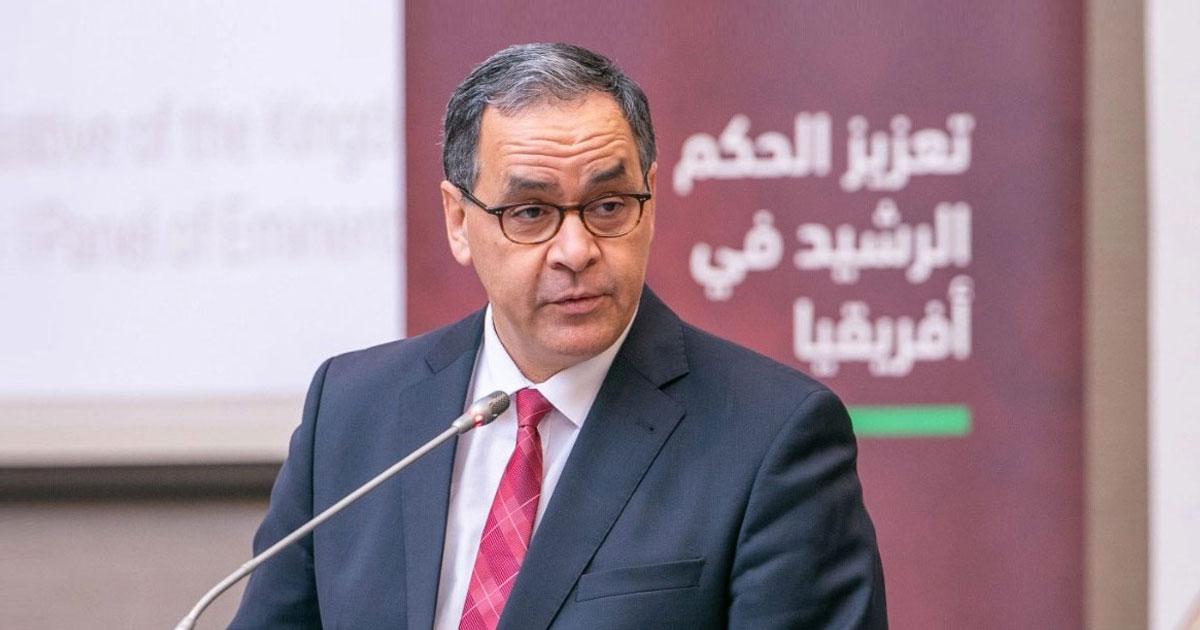
Addressing the AU PSC meeting focused on Libya, Ambassador Mohamed Arrouchi – Morocco’s Permanent Representative to the African Union and the UN Economic Commission for Africa – reiterated the Kingdom’s backing for national reconciliation efforts and inter-Libyan dialogue initiatives. He emphasised the goal of consolidating gains and building consensus among Libyan factions.
Arrouchi underscored that the Skhirat Agreement, signed on December 17, 2015, as part of the UN-sponsored reconciliation process, remains a credible framework for a sustainable political solution. He called for the preservation of Libya’s unity, sovereignty, and territorial integrity as essential conditions for lasting stability.
The diplomat also conveyed Morocco’s appreciation, under the leadership of His Majesty King Mohammed VI, for the African Union’s sustained and consistent efforts to promote peace, security, and stability across the continent – particularly those aimed at fostering a political solution to the Libyan crisis.
Arrouchi recalled the meetings held in Tripoli and Zintan, which culminated in the signing of an agreement on January 7, 2026, in the Libyan capital between representatives of the Government of National Unity and the Eastern-based government.
The ambassador further highlighted Morocco’s ongoing role in supporting the Libyan political process. He noted the Kingdom’s persistent efforts to bridge the views of the various Libyan parties, who have placed their trust in Morocco’s mediating role.
These efforts, he explained, are carried out in full respect for international law, the conclusions of the Skhirat Agreement, and the Bouznika understandings. The goal is to promote a Libyan-led solution acceptable to all sides. Arrouchi stressed that Morocco continues to advocate for a political settlement to the crisis, rejecting any military options.