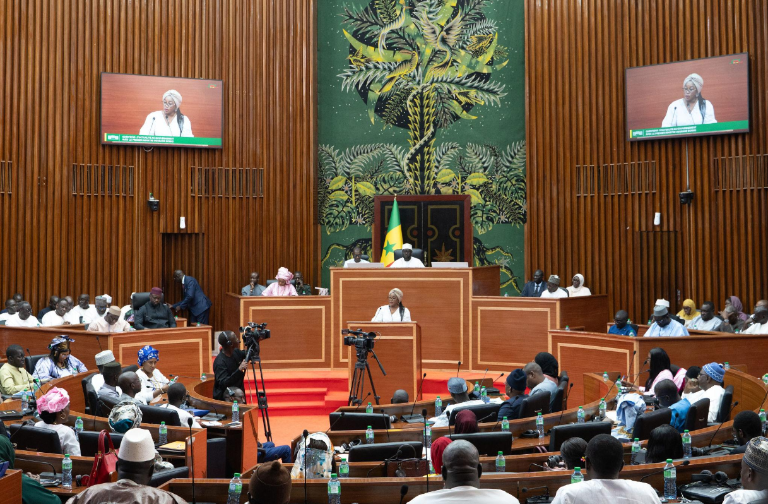
Morocco is pressing ahead with its regionalization agenda despite ongoing deadlock in talks over the Western Sahara dispute. The latest push comes as key stakeholders remain divided over the decades-old conflict, leaving the United Nations-backed negotiations at a standstill.
The North African kingdom has taken concrete steps to strengthen its administrative autonomy model, a strategy central to Rabat’s vision for resolving the crisis. Interior Minister Abdelouafi Laftit recently presented a draft law to Parliament, outlining expanded powers for regional councils—a move analysts see as a bid to bolster local governance and economic development.
Rabat’s strategic shift in the Western Sahara stalemate
The initiative reflects Morocco’s determination to implement its autonomy plan for Western Sahara, a proposal it has promoted as a realistic solution to the territorial dispute. Since the breakdown of UN-led negotiations in 2023, diplomatic efforts have yielded little progress, prompting Rabat to adopt a more assertive approach.
Under the proposed legislation, Morocco’s regions—including those in the disputed territory—would gain greater control over local resources, budgeting, and infrastructure projects. The plan aligns with King Mohammed VI’s longstanding commitment to decentralization, aiming to improve living conditions and reduce dependency on central authorities.
International reactions and regional implications
While Morocco’s autonomy proposal has received cautious support from some allies, including the United States and France, the plan faces staunch opposition from the Polisario Front, which continues to demand a referendum on independence. The stalled UN negotiations have left the Sahrawi population in limbo, with humanitarian conditions deteriorating in refugee camps near Tindouf, Algeria.
Regional stability remains fragile as neighboring countries grapple with security threats linked to the conflict. Morocco’s regionalization efforts aim to address long-standing grievances by empowering local communities, though critics argue the plan falls short of addressing core sovereignty concerns.
The draft law is expected to undergo rigorous debate in Parliament before potential adoption. If implemented, it could reshape Morocco’s governance structure and redefine its approach to the Western Sahara issue in the absence of a negotiated settlement.