Military and allied militias massacre civilians in central Mali
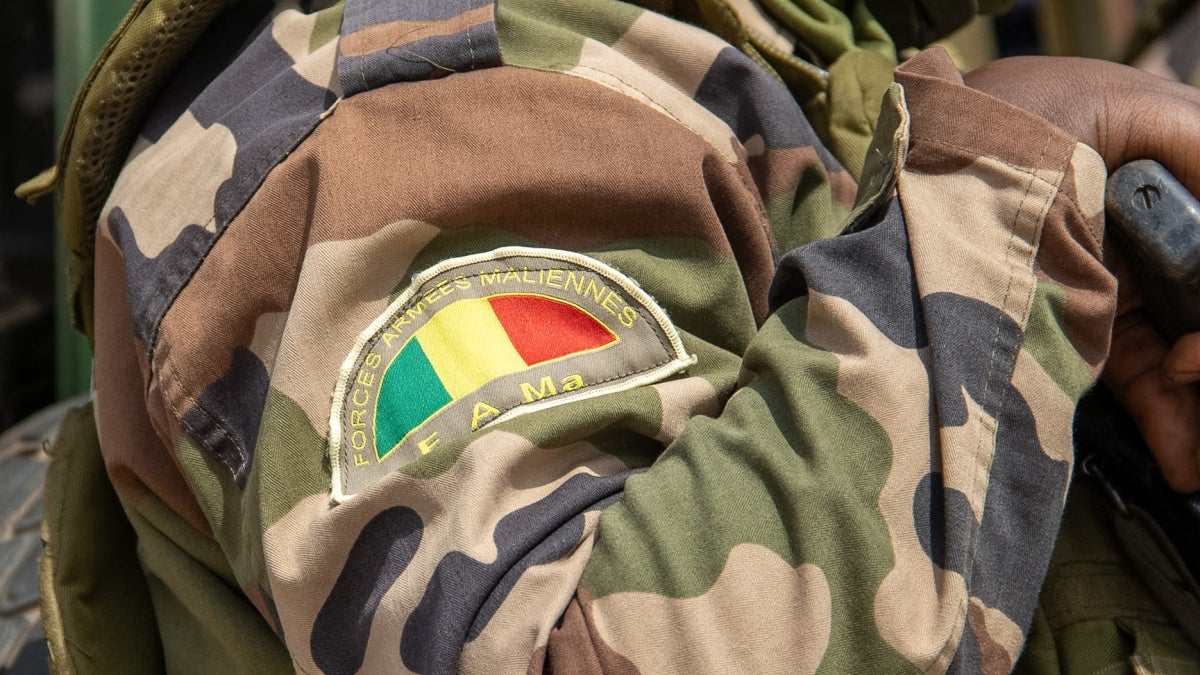
The Malian army and allied militias executed at least 31 civilians in two villages in the central Ségou region during October operations, according to field inquiries.
On October 2nd, soldiers accompanied by dozos militiamen—ethnic Bambara self-defense groups active in counterinsurgency for over a decade—stormed the village of Kamona. Witnesses reported that after warning villagers of the approaching forces, many fled, leaving behind those unable to escape. The attackers gathered and summarily executed at least 21 men, burning at least 10 homes and three warehouses belonging to Fulani residents. One survivor recounted how soldiers identified men by their traditional attire before killing them.
« Those who couldn’t run were rounded up and shot, » a local herder stated, describing how he later discovered 17 bullet-riddled bodies under a tree. Four more corpses were found north of the village. All victims were men aged 20 to 65, though villagers believe at least 15 additional men may have been killed in surrounding bushland.
On October 13th, a similar operation unfolded in Balle, 55 kilometers away. Soldiers in five pickup trucks and dozos on over 30 motorcycles descended on the village, triggering panic among residents. « I didn’t flee immediately, but when I saw soldiers kicking and slapping men during house-to-house searches, I hid, » a 24-year-old man recalled. Later, he found 10 bodies—nine men and one woman—lying side by side in the village center. « Some had broken limbs, » he said. The attackers also stole over 100 cattle before withdrawing.
Locals allege the army and militias acted on suspicions of collaboration with the Group for the Support of Islam and Muslims (JNIM), a coalition linked to Al-Qaeda that has controlled the area for years. « We’ve paid zakat to them for years, » one villager explained. « They settle disputes; there are no soldiers or police here. The army makes no distinction between us and them. »
The military claimed its October 13th operation in Balle was an « offensive reconnaissance » that « neutralized around twenty terrorists » and seized weapons. However, witnesses and community leaders insist no armed clashes occurred, and all victims were unarmed civilians.
These massacres follow a surge in JNIM attacks near Bamako, including an August assault on the Siribala sugar factory, which disrupted fuel supplies to the capital. The worsening violence has displaced over 400,000 people since 2012, with both state forces and jihadist groups committing grave abuses.
International humanitarian law prohibits attacks on civilians and the killing or torture of detainees. While Mali withdrew from the International Criminal Court in 2025, it remains bound by the Rome Statute until 2026. The African Union’s Peace and Security Council has yet to take meaningful action beyond issuing statements of concern, despite the escalating crisis.
Survivors and local leaders demand credible investigations and accountability for the October killings. « The Malian authorities must hold those responsible to account, » one community elder urged. « Without justice, these atrocities will only continue. »