Measles outbreak in Niger reaches alarming levels
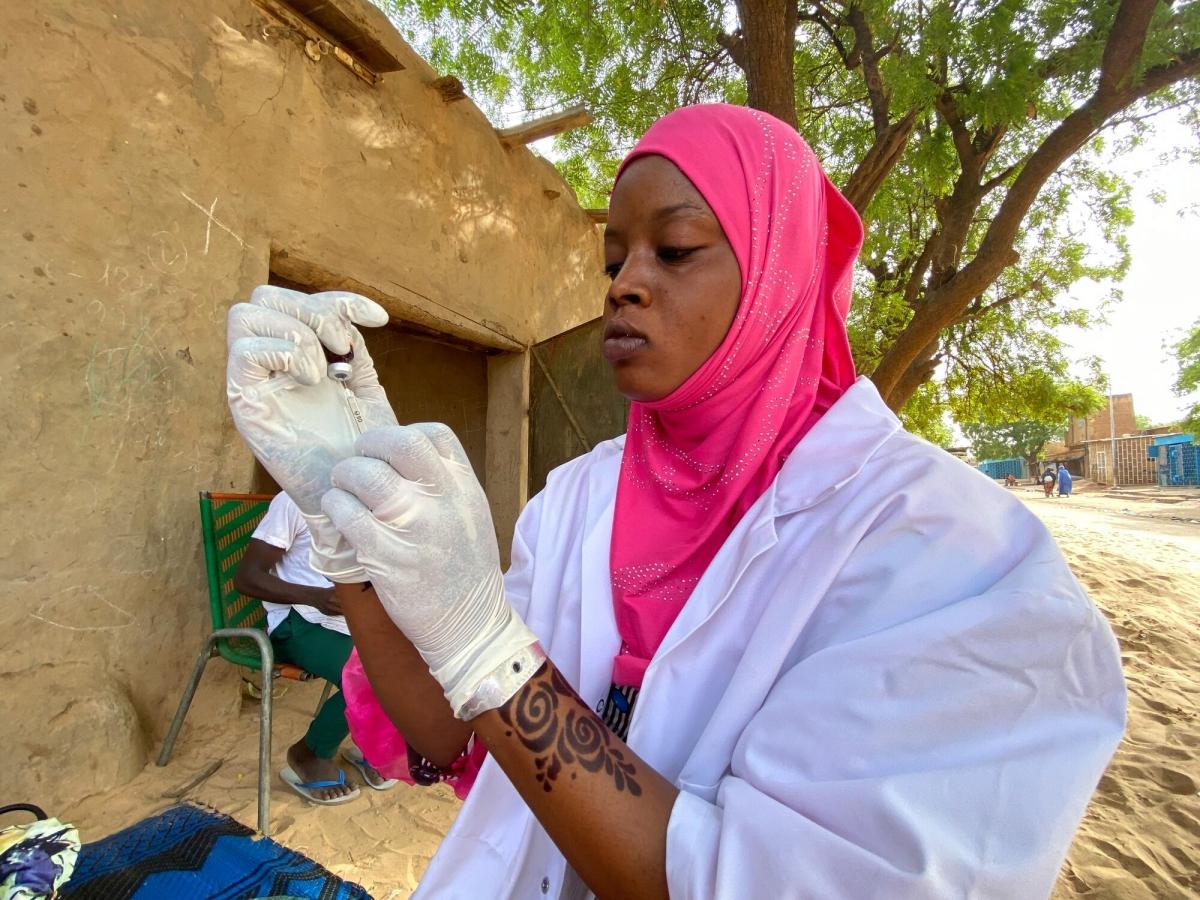
Niger facing severe measles outbreak surge
Dr. François Rubona, Médecins Sans Frontières medical coordinator in Niger, highlights the escalating measles crisis gripping the nation. Since February, MSF teams have mobilized vaccination campaigns across multiple regions to combat early measles outbreaks.
How severe is Niger’s measles epidemic?
Niger is grappling with an unprecedented surge in measles cases this year. Official health data reveals a staggering 200% increase in reported cases during the first quarter of 2021 compared to 2020. The Ministry of Public Health recorded 3,213 cases in early 2021 versus 1,081 cases in the same period last year. By April, suspected cases had surpassed 6,000, with 15 fatalities already reported. Alarmingly, 27 of 73 health districts are now classified as measles epidemic zones, with the hardest-hit regions being Agadez, Dosso, and Tahoua.
Measles remains one of the most contagious viral diseases globally, particularly dangerous for young children. The World Health Organization (WHO) recommends a 95% vaccination coverage to prevent outbreaks. However, many health centers in Niger report coverage rates below 50%. In areas like Diffa, Tillabéry, and Tahoua, deteriorating security conditions—including population displacements—have disrupted routine immunization services. The ongoing COVID-19 pandemic has further strained vaccination efforts, compounding the crisis.
What challenges are MSF teams facing?
The emergence of COVID-19 in Niger in March 2020 triggered widespread fear, leading to reduced attendance at health facilities. Many mothers postponed routine childhood vaccinations, fearing exposure to the virus. The pandemic also strained medical personnel, with health workers testing positive or being quarantined, further depleting already limited healthcare resources.
Logistical hurdles have compounded these challenges. Border closures and trade restrictions delayed the import of essential medical supplies, including vaccines. This year, MSF has successfully delivered nearly 700,000 vaccine doses to bolster the response to the measles outbreak and replenish emergency stockpiles.
Another critical issue is the low community participation in vaccination drives in recent weeks. Misconceptions linking measles vaccination to COVID-19 shots have led to refusals in areas like Niamey and Tillabéry. To counter this, MSF has intensified community engagement and awareness campaigns, emphasizing the severe health risks measles poses to children and the importance of vaccination to curb transmission.
What does the future hold for Niger’s epidemic?
The current situation in Niger remains dire, reflecting a significant decline in routine vaccination coverage. The repercussions of this gap could extend for years if catch-up immunization campaigns are not prioritized. Similar declines have been observed with other vaccine-preventable diseases, such as meningitis, which has seen over 1,100 cases reported this year.
With the looming peak seasons for malaria and malnutrition, health authorities are closely monitoring trends. Last year’s malaria season was particularly severe, extending well into January 2021. This, combined with grim projections for food security and malnutrition in 2021, underscores the urgent need for heightened vigilance. Even regions like Maradi and Zinder—often overlooked due to their distance from conflict zones—require urgent attention from funders and health responders.