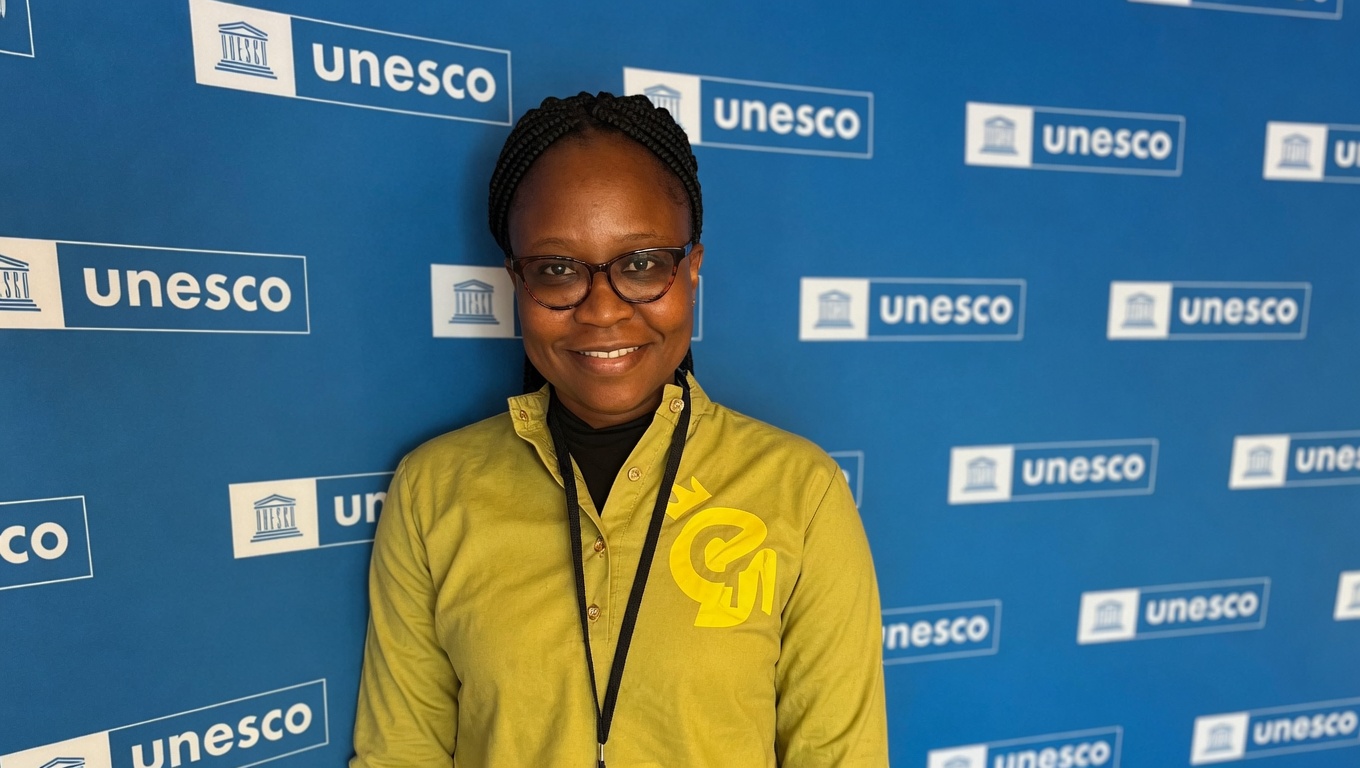
In Cotonou, the start-up SSaFE is challenging conventional approaches to innovation. Spearheaded by chemical engineer Marielle Agbahoungbata, a groundbreaking water-purifying robot powered by artificial intelligence is poised to convert polluted water into a valuable resource—while speaking the local languages.
During a recent conference in Paris, a Beninese voice captivated the audience. Marielle Agbahoungbata moved beyond abstract technological discussions to present a tangible solution to her country’s pressing issues: a robot capable not only of assessing water purity but also autonomously determining the best method for treatment.
An intelligent solution for crystal-clear water
The robot, named Watt Air, is far more than a mechanical device—it functions as a miniature laboratory. Its integrated AI system evaluates detected contaminants and decides whether the water is suitable for irrigation, laundry, or human consumption.
“The robot saves both time and energy. The AI calculates the exact amount of reagents needed with surgical precision, ensuring no drop is wasted,” explains the founder.
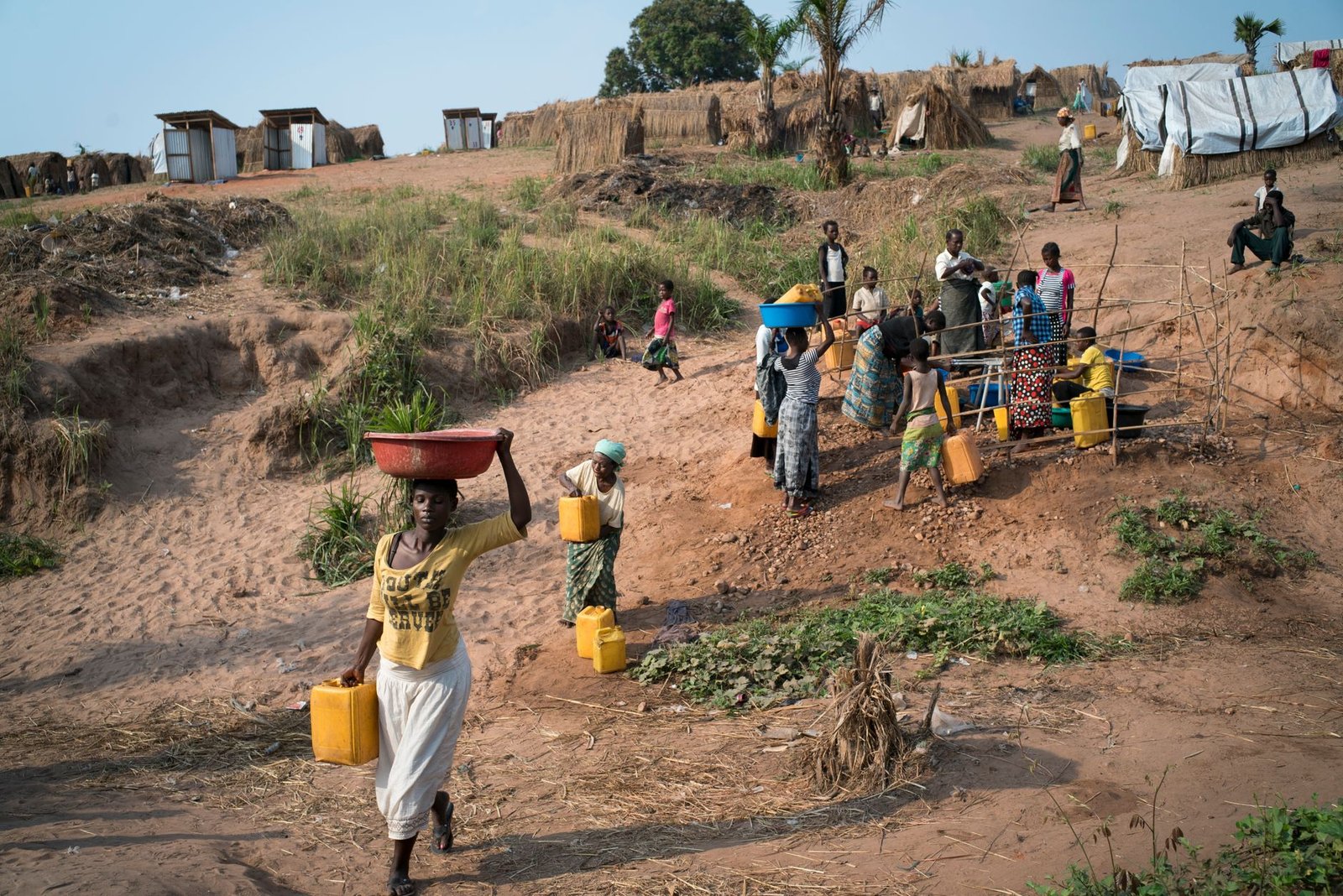
In a region grappling with water scarcity and rising treatment costs, this technological shortcut minimises waste and maximises every available litre.
Bridging the literacy gap through voice technology
The true innovation lies in its accessibility. While many solutions cater only to engineers, Watt Air is designed for everyday users, including mothers in remote areas. Its multilingual voice assistant supports local languages such as Fon, Bambara, Swahili, and Wolof—allowing users to interact effortlessly.
Consider a woman in a rural village, where formal education may be a distant privilege, effortlessly instructing her filter robot in her native tongue to repurpose laundry water. “She can recycle water at home without ever setting foot in a classroom,” Agbahoungbata notes with evident pride. Here, AI adapts to the user, not the other way around.
Sèmè City: nurturing local innovation
This project did not emerge in a vacuum. It was developed within Sèmè City, Cotonou’s innovation hub. According to Thierry d’Almeida, Director General of the centre’s research institute, collaboration between mathematicians and chemists is key to solving local challenges.
Backed by a $30,000 grant from UNESCO, the Watt Air project exemplifies how homegrown African solutions, rooted in deep local understanding, can address continental problems.
A 2027 launch on the horizon
Though still in prototype form, the goal is clear: commercial deployment by 2027. SSaFE is actively seeking partners and funding to transition from lab to household.
Beyond its technical brilliance, Agbahoungbata underscores a fundamental truth: technology holds value only when it saves time, protects health, and ensures no one is left behind—regardless of language or background.