Massacres of civilians in central Mali raise concerns over military conduct
In the heart of Mali’s central region, a tragic sequence of violence has left at least 31 civilians dead, with homes reduced to ashes. The incidents unfolded in two villages under the control of the Group for the Support of Islam and Muslims (GSIM), an Al-Qaeda-linked faction operating in the area.
Unarmed villagers targeted in coordinated attacks
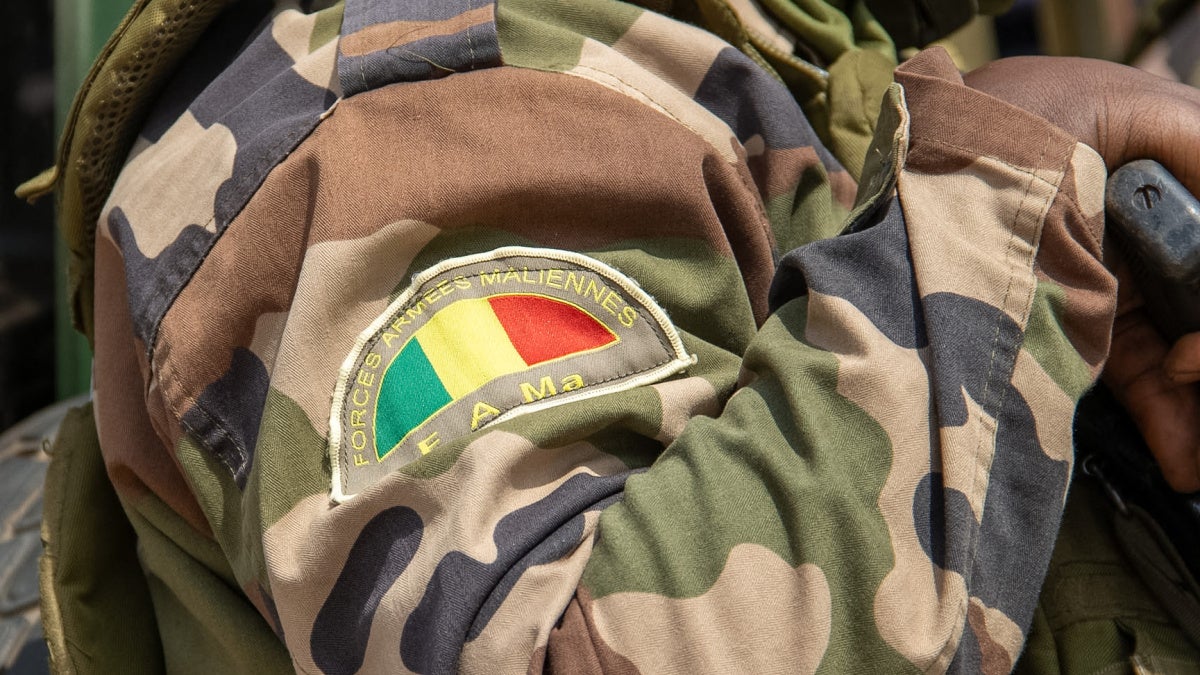
On October 2, soldiers from the Malian Armed Forces (FAMA) and allied dozos militiamen stormed the village of Kamona. Witnesses reported that the attackers, identifiable by their camouflage uniforms and traditional amulets, accused local men of collaborating with the GSIM. Before the assault, alerts from GSIM fighters prompted many residents to flee, but those who remained were systematically executed. At least 21 men were killed, and ten homes were set ablaze. A survivor recounted how those unable to escape were rounded up and shot.
By the end of the day, 17 bodies were discovered beneath a nearby tree, with four more found scattered in the northern outskirts. All victims were men aged 20 to 65. Villagers believe additional fatalities occurred in the bush, though fear prevented them from confirming the exact number.
Brutal reprisals escalate in neighboring village
Thirteen days later, the violence spread to Balle, another village under GSIM influence. Around midday, soldiers in five pickup trucks and dozens of dozos on motorcycles arrived, triggering panic among residents. A 24-year-old man, who initially stayed behind, described how soldiers went house-to-house, assaulting men they encountered. Gunfire echoed as he fled to safety. In total, ten civilians—including a 55-year-old woman—were killed, and over 100 cattle were stolen.
A 33-year-old resident found the bodies of the victims lying in a cluster in the village center. “They were riddled with bullets,” he said. “Some had broken limbs.” The woman’s daughter tearfully recounted how her mother, in a desperate plea for mercy, was dragged away and shot by the soldiers.
Military denies allegations, but testimonies contradict claims
The Malian Armed Forces’ Chief of Staff issued a statement claiming an “offensive reconnaissance” operation in Balle on October 13 resulted in the “neutralization of around twenty terrorists” and the seizure of military equipment. However, locals refuted this narrative, insisting the village had been under GSIM control for years. “We pay zakat to them,” one resident explained. “They settle disputes. There are no soldiers or police here. The army doesn’t distinguish between us and them.”
Human rights observers have documented a pattern of abuses by Malian forces and their allied militias during counterinsurgency operations. The GSIM and other armed groups have also been implicated in grave violations, including widespread civilian casualties and displacement. Since 2012, conflict in Mali has claimed thousands of lives and displaced over 400,000 people.
International obligations and accountability gaps
Under international humanitarian law, all parties in armed conflict must protect civilians. Deliberate attacks on non-combatants, executions, and torture constitute war crimes. While Mali withdrew from the International Criminal Court (ICC) in 2025, it remains bound by the Rome Statute until September 2026. The ICC opened an investigation into alleged war crimes in Mali in 2013.
The African Union (AU) has faced criticism for its limited response to the escalating crisis. Despite its mandate to promote peace and security, the AU’s Peace and Security Council has issued only statements expressing concern, failing to take concrete action.
Analysts stress the urgent need for credible, impartial investigations into these atrocities. Holding perpetrators accountable is essential to breaking the cycle of violence gripping central Mali.