Maroc Tchad forging stronger ties at N’Djamena event
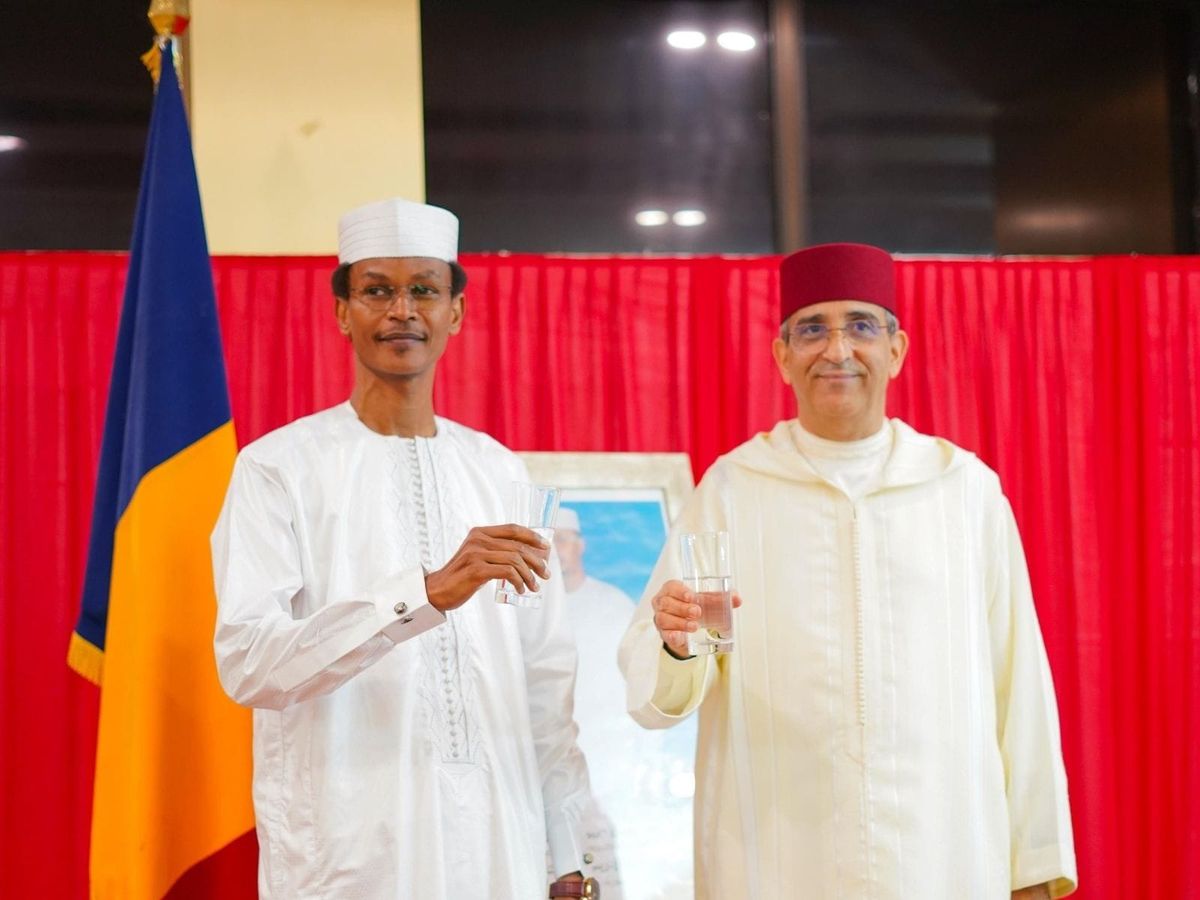
The celebration of Morocco’s Throne Day in N’Djamena served as a powerful reminder of the deepening ties between Rabat and Chad, underscoring a partnership built on shared values and mutual progress.
Strengthening bonds through a historic monarchy
The 30th of July marked a special occasion as Morocco commemorated the 27th anniversary of King Mohammed VI’s ascension to the throne. In the Chadian capital, Ambassador Abdellatif Erroja hosted a prestigious gathering to honor this milestone, bringing together government officials, diplomats, and influential figures from both nations.
This annual celebration is more than a national holiday—it embodies the resilience and vision of the Moroccan monarchy. Since 1999, the 30th of July has symbolized stability, progress, and the unyielding commitment of the Kingdom under King Mohammed VI’s leadership. The reception in N’Djamena became a stage to reflect on Morocco’s transformation across governance, economy, and international standing.
Morocco’s economic momentum and global recognition
Ambassador Erroja highlighted Morocco’s remarkable economic performance, with a 4.6% growth rate in early 2026 and inflation held steady at just 1.1%. The agricultural sector showed exceptional growth, with an 18.4% increase in value added, reinforcing the country’s agricultural resilience.
Global rankings further validated Morocco’s progress. The African Development Bank (AfDB) crowned it the continent’s top industrial powerhouse in May 2026, thanks to thriving sectors such as automotive, aeronautics, agri-food, and renewable energy. Tourism also played a pivotal role, with over 7.7 million visitors welcomed by May 2026, including 1.7 million in May alone.
The upcoming 2030 FIFA World Cup, co-hosted with Spain and Portugal, has already spurred massive infrastructure upgrades—from stadiums to transport networks—positioning Morocco as a modern, connected hub ready for global events.
Diplomacy that reshapes Africa
Morocco’s diplomatic influence continues to expand, driven by King Mohammed VI’s strategic vision. The Ambassador pointed to a landmark moment: the UN Security Council’s Resolution 2797, which recognized Morocco’s autonomy plan for the Sahara as the sole basis for a lasting political solution. This diplomatic victory led to the designation of October 31st as Aïd Al Wahda (Unity Day).
On the African stage, Morocco is deepening cooperation through initiatives like the Nigeria-Morocco Gas Pipeline, a visionary project linking West Africa to Morocco. Signed during the Freetown summit in July 2026, this pipeline will enhance energy security across the region.
With over 1,600 cooperation agreements spanning trade, education, and infrastructure, Morocco stands as Africa’s leading investor in West Africa and the second-largest on the continent. In 2025 alone, it trained more than 1,200 African professionals, reinforcing its role as a training hub for the continent’s future leaders.
Chad-Morocco: a model partnership in action
Ambassador Erroja dedicated a significant portion of his address to the flourishing Morocco-Chad relationship, calling it a benchmark for South-South collaboration. The two nations have cultivated a robust partnership across 12 key sectors, including higher education, healthcare, agriculture, energy, and aviation.
The partnership has yielded tangible results:
- Education: The number of Moroccan scholarships for Chadian students rose to 250 in the current academic year, up from 150 previously, focusing on high-demand fields.
- Infrastructure: The inauguration of the Mohammed VI Mosque in N’Djamena in 2026 stands as a symbol of the spiritual and historical ties binding the two nations.
- Sectoral collaboration: Joint efforts in healthcare, urban planning, livestock health, and professional training have strengthened institutional ties. Security, customs, anti-corruption, and media exchanges have also intensified.
- Connectivity: The resumption of Royal Air Maroc’s direct flights between Casablanca and N’Djamena in September 2025 has revolutionized travel, boosting business and cultural exchange.
Morocco also leads as Chad’s top African investor, with its private sector playing a catalytic role in the country’s development.
Tchad Connexion 2030: a roadmap for shared prosperity
The Ambassador praised Chad’s Tchad Connexion 2030 development plan, calling it a forward-looking framework to unlock high-impact projects in priority sectors. He reaffirmed Morocco’s commitment to deepen this alliance, aligning with the aspirations of both King Mohammed VI and Chadian President Mahamat Idriss Déby Itno.
A tribute to human connections
In closing, Ambassador Erroja expressed deep gratitude to the individuals and organizations driving this partnership forward. Special mention was made of his departing First Counselor, Hassan Bahadi, whose dedication has been instrumental in nurturing bilateral relations.
He also honored Moroccan businesses, the vibrant Moroccan community in Chad, and local associations like the Tchad Chapter of the Mohammed VI Foundation of African Ulemas and the Association of Chadian Graduates and Friends of Morocco (ALTAM). These groups play a vital role in fostering cultural and educational exchanges.
An enduring friendship with no limits
Ending on a resolute note, Ambassador Erroja emphasized the limitless potential of Morocco-Chad relations: “Our partnership with Chad is built on trust, mutual respect, and a shared pursuit of sustainable progress that serves the aspirations of both our peoples.”