Malnutrition in Mali: causes, impact and solutions for children’s health
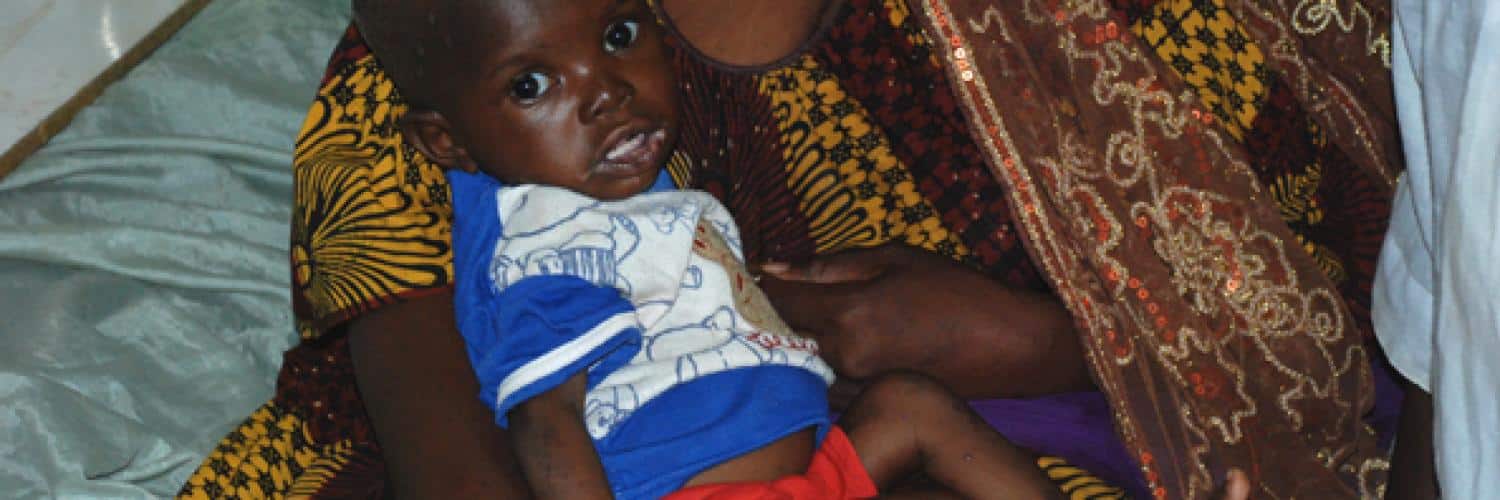
Malnutrition in Mali: a critical public health issue threatening children’s survival
Malnutrition remains a severe public health crisis in Mali, affecting millions across the country. Despite prevention efforts, pockets of severe malnutrition persist, particularly in vulnerable communities.
Mali, located in West Africa’s Sahel region, faces alarming malnutrition rates that impact both short-term and long-term health outcomes. With over 15 million people at risk, the country grapples with consequences that extend beyond individual families to the national economy. The high infant mortality rate—nearly 1 in 5 children in Mali does not survive past age five—highlights the urgency of addressing malnutrition.
Within Malian households, closely spaced pregnancies contribute significantly to child and maternal malnutrition. Larger family sizes correlate directly with higher malnutrition rates, as resources become increasingly stretched and nutritional needs go unmet.
Exceeding global emergency thresholds
Acute malnutrition (both moderate and severe) affects 15% of Mali’s population, surpassing the 10% international alert threshold. Chronic malnutrition plagues 38% of children under five, far exceeding the 20% global emergency benchmark set by the World Health Organization (WHO). These statistics underscore Mali’s urgent need for intervention.
In addition to acute and chronic malnutrition, over 80% of children under five and 65% of women in Mali suffer from iron deficiency, one of the highest rates globally. Iron deficiency severely impairs cognitive development in children and increases health risks for pregnant women, potentially leading to complications for their newborns. The ripple effects of malnutrition extend from individual health to societal productivity and economic stability.
Government and humanitarian responses
The Malian government, in collaboration with international organizations, has implemented a comprehensive nutrition policy aimed at reducing malnutrition prevalence. This strategy includes targeted interventions such as universal salt iodization, which 79% of households now use—though still below the 90% target.
Since 2005, the Bi-annual Intensive Nutrition Activities (BIANA) have become a cornerstone of Mali’s fight against malnutrition. These campaigns, reaching 95% of the country, focus on children aged 6 to 59 months and integrate community-based approaches. Activities include vitamin A supplementation, deworming treatments, and education on recognizing early signs of malnutrition. These efforts have significantly reduced child mortality rates over the years.
The Malian government and partners, including UNICEF, emphasize community-driven solutions. By training local leaders to identify malnutrition symptoms, these initiatives ensure early detection and treatment. As highlighted by nutrition experts, improving access to clean water and addressing root causes of malnutrition remain critical components of sustainable progress.
In 2010, only 50% of severely malnourished children received treatment. Today, coverage has expanded, demonstrating gradual improvements in healthcare accessibility and awareness. However, continued investment and community engagement are essential to ensure no child in Mali is left behind in the fight against malnutrition.