Mali’s military rulers escalate hunt for Sahel’s most wanted jihadist
The Malian transitional authorities have placed a substantial bounty on the head of Iyad Ag Ghaly, the notorious leader of the Group for the Support of Islam and Muslims (JNIM), marking a bold move in the nation’s ongoing battle against extremist insurgencies. This declaration underscores the junta’s determination to dismantle the jihadist network operating across the Sahel region.
Why Iyad Ag Ghaly remains a top target
Iyad Ag Ghaly’s name resonates across the Sahel as one of the most dangerous figures in the region’s security landscape. As the founder and emir of JNIM, he has orchestrated numerous attacks against military and civilian targets in Mali and neighboring countries, destabilizing entire communities. His militant group, which emerged from the merger of several factions, has become a dominant force in the insurgency gripping the Sahel.
The Malian government’s decision to offer a monetary reward for his capture reflects the urgent need to curb the escalating violence that has plagued the nation and the broader West African region. Authorities have not disclosed the exact amount of the bounty, but sources within the security apparatus confirm it represents a significant financial incentive.
Junta’s strategy to weaken jihadist networks
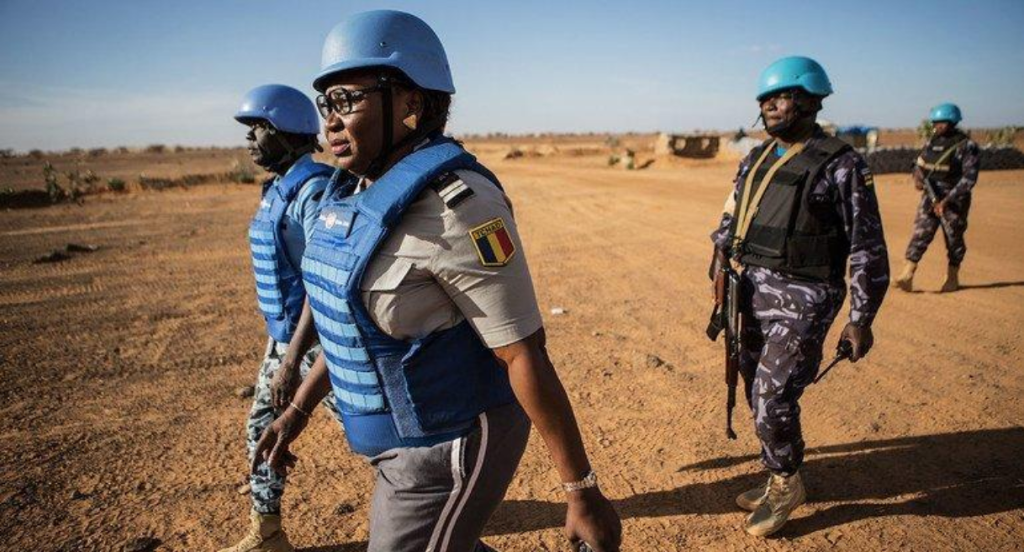
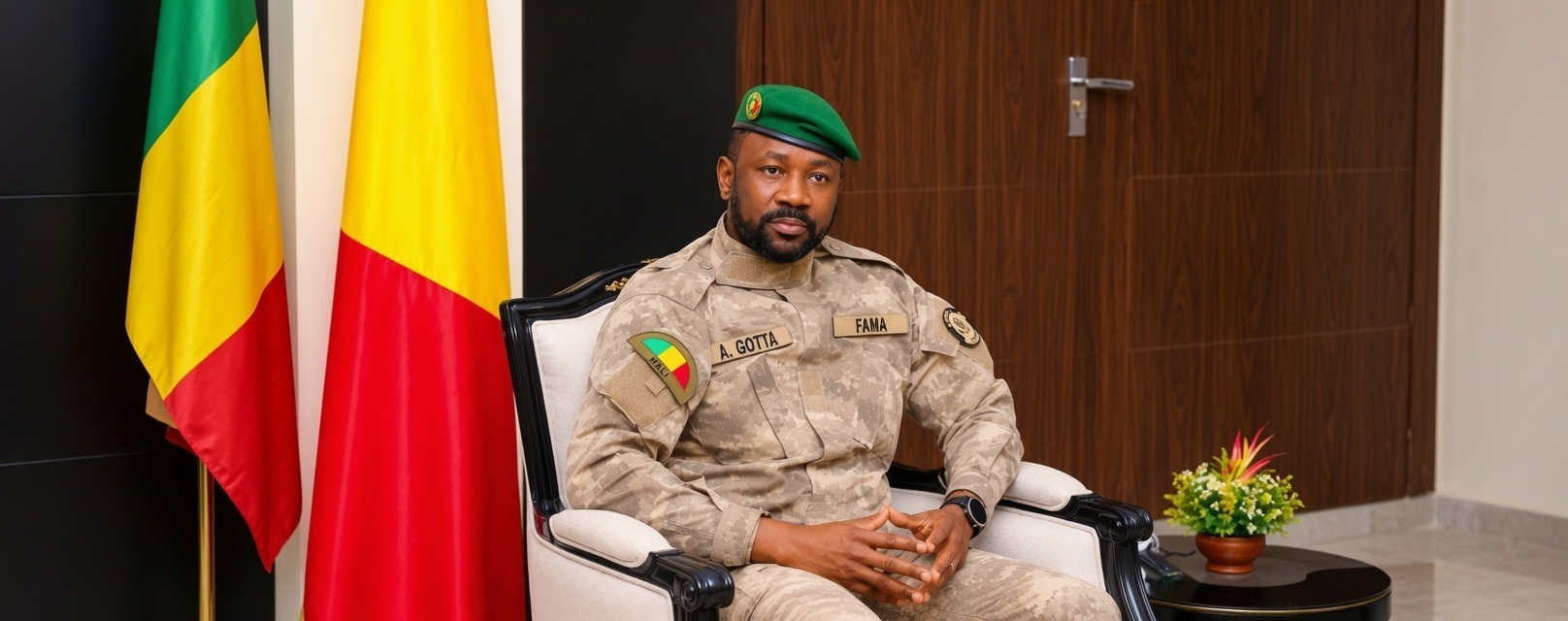
The transitional government, led by interim President Assimi Goïta, has intensified efforts to dismantle extremist organizations operating within Mali’s borders. The announcement of the bounty is part of a broader counterterrorism strategy that includes military operations, intelligence gathering, and international cooperation. The junta has repeatedly emphasized its commitment to restoring security and stability, even as the insurgency continues to pose a grave threat.
In recent months, Malian forces, supported by regional allies, have conducted targeted operations against JNIM strongholds. However, the group’s decentralized structure and deep local roots make it particularly resilient. The bounty on Iyad Ag Ghaly’s head is a clear signal to his followers and potential defectors that defiance will come at a steep price.
Regional implications of the bounty declaration
The move by Mali’s junta is expected to reverberate across the Sahel, where jihadist groups have exploited porous borders to expand their influence. Neighboring countries, already grappling with their own security challenges, will be closely monitoring Mali’s efforts. The bounty could also encourage informants within JNIM to come forward, potentially accelerating the group’s fragmentation.
While the announcement has drawn praise from some quarters for its boldness, critics caution that such measures must be accompanied by robust legal frameworks to ensure accountability. The junta has faced scrutiny over its human rights record, with allegations of abuses committed during counterterrorism operations. The bounty, if successful, could bolster the government’s legitimacy in the eyes of both domestic and international observers.
What’s next in Mali’s counterterrorism campaign?
The coming weeks will be critical in determining the effectiveness of the bounty and the broader counterterrorism strategy. Military operations on the ground will continue, while intelligence agencies work to gather actionable information. Meanwhile, the junta’s ability to balance military pressure with efforts to address the root causes of radicalization will be closely watched.
For now, the message from Bamako is unambiguous: the hunt for Iyad Ag Ghaly and his followers is intensifying, and the government is leaving no stone unturned in its quest to restore peace and security to the Sahel.