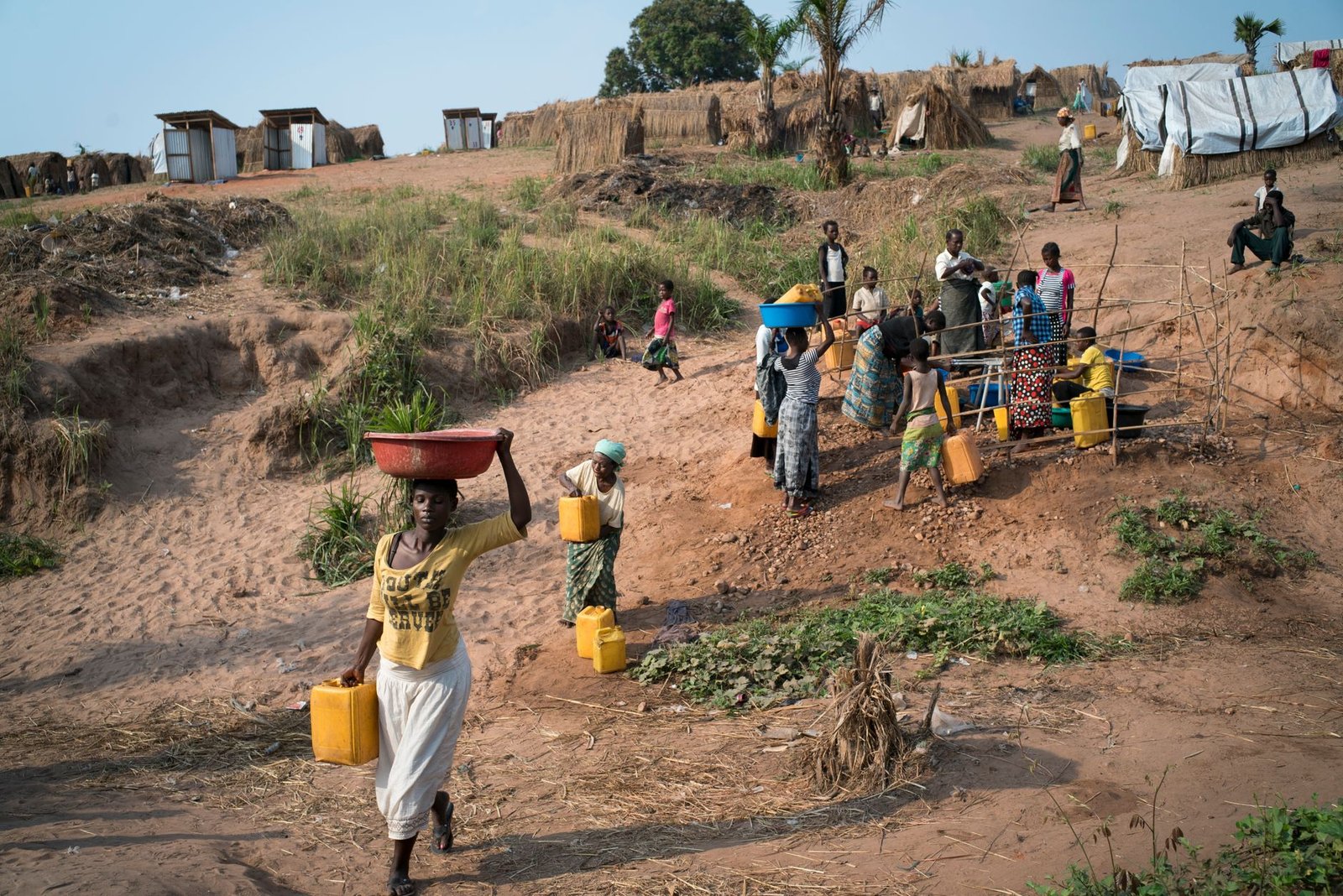
WASHINGTON, March 26, 2026 – The World Bank has officially greenlit a substantial credit of $150 million from the International Development Association (IDA). This crucial financial injection is earmarked for Mali, aiming to guarantee the uninterrupted delivery of vital health and educational provisions across the nation. The funding directly tackles the complex climate, security, and economic hurdles that Mali has navigated in recent years.
The Emergency Access to Essential Services Project in Mali is designed to bolster the continuous operations of both national and regional healthcare infrastructure. This includes covering their vital operational expenses, ensuring a steady supply of essential vaccines and medications, and providing free healthcare for women of reproductive age and children under five. Furthermore, the initiative will enhance the capabilities of health personnel, equipping them to effectively manage the growing health risks linked to climate change. Within the education sector, the project’s impact will span the entire academic journey, facilitating the distribution of educational materials, allocating school grants to the most vulnerable students, and meticulously organizing national examinations.
This strategic undertaking directly contributes to the World Bank Group’s broader employment agenda by committing to the preservation and development of human capital within Mali.
“By safeguarding access to health and education services amid significant budgetary constraints, this project protects the pipeline of future workers and their productive capacity,” explained Clara de Sousa, World Bank Group Division Director for Mali. “Healthy and educated children, alongside healthy mothers, form a sustainable and productive workforce.”
The project is set to profoundly impact 2.3 million beneficiaries who will gain access to essential health services, with a specific focus on 1.4 million women and 391,395 children under the age of five. In the educational sphere, 1.1 million students will receive comprehensive schooling support and access to national examinations under established standards, thereby fostering educational continuity and nurturing human capital development.
This operation strategically complements existing interventions by development partners and is built upon extensive consultations and dedicated coordination mechanisms, all designed to ensure its efficient and cohesive implementation.