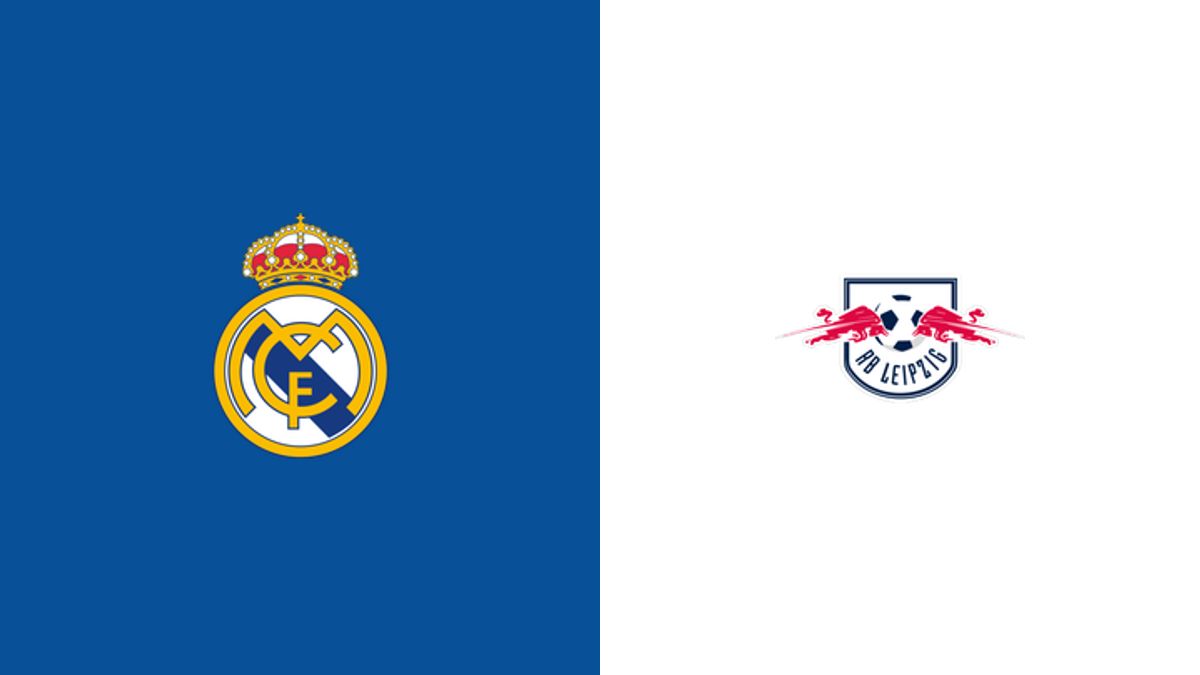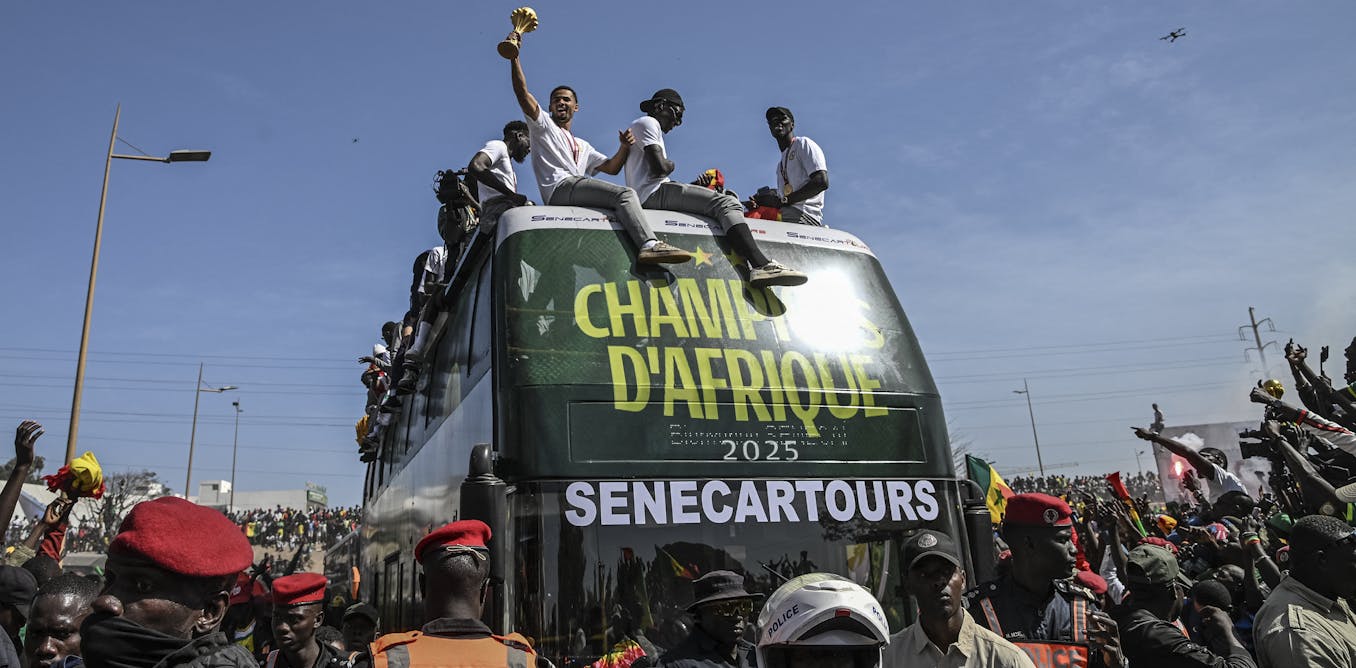
The Confédération Africaine de Football (CAF) Appeals Panel has overturned the on-field result of the CAN 2025 final—a 1-0 victory for Senegal over Morocco—handing Morocco a 3-0 technical win. The reversal stems from the Senegalese team’s temporary withdrawal from the pitch during the match, a move that triggered a controversial legal ruling under CAF regulations.
According to CAF’s disciplinary code, specifically Articles 82 and 84 of the TotalEnergies CAF Africa Cup of Nations Regulations, any team that withdraws from a match may face a forfeit. The Appeals Panel deemed Senegal’s brief exit a violation of these provisions, despite the referee’s decision to resume and complete the game under IFAB Laws of the Game.
the legal reasoning behind the decision: what do the rules say?
The Appeals Panel justified its ruling by citing Chapter 35 of the CAN 2025 regulations, which addresses team withdrawals. While some observers frame this as an “abandonment,” the CAF’s legal framework distinguishes between withdrawal and abandonment—a critical distinction that determines the applicable penalties.
The panel applied Article 84 of the regulations, which states:
« In the event of a team’s withdrawal from a match, the result shall be declared forfeited in favor of the opposing team, with a score of 3-0 unless otherwise specified by the Appeals Panel. »
This interpretation underscores how legal qualification shapes outcomes in sports disputes. Just as a medical diagnosis dictates treatment, misclassifying an event can lead to unintended consequences—here, a reversal of a hard-fought victory.
why the referee’s decision wasn’t enough to save Senegal’s title
The Appeals Panel’s reasoning remains opaque, but one plausible explanation is its interpretation of sovereign authority. While the referee’s discretion under IFAB Law 5 allows for temporary suspensions and resumptions, the panel chose to prioritize the regulatory definition of withdrawal over the practical conduct of the match.
Under IFAB Law 5, referees have the power to « suspend or abandon » matches for infringements or external interference, but the law does not impose a fixed time threshold for abandonment. In this case, the referee opted for a temporary pause and resumption—a decision that, while lawful, was ultimately overridden by the Appeals Panel’s strict reading of the CAN 2025 regulations.
The panel’s stance hinges on the principle that:
« Decisions by match officials on facts related to play are final, including the validation of goals and match results. »
Yet this case illustrates a rare conflict between on-field authority and disciplinary jurisdiction, raising questions about the balance of power within African football governance.
has this ever happened before in African football?
This scenario is unprecedented in a CAN final. While match interruptions are rare, they are not unheard of in African football history. One notable example is the 2018 World Cup qualifier between South Africa and Senegal, which was replayed after evidence emerged of referee corruption influencing the result.
Another case is the 2019 CAF Champions League final between Wydad Casablanca and Espérance de Tunis. Moroccan players refused to resume play after a disallowed goal and a malfunctioning VAR system. After prolonged negotiations, the referee declared an abandonment, and the Court of Arbitration for Sport (CAS) upheld the forfeit, citing the refusal to continue as a breach of disciplinary rules.
The key difference in the CAN 2025 final is that Senegal resumed play and completed the match, whereas Wydad Casablanca never returned to the pitch. This procedural distinction did not sway the Appeals Panel, underscoring the rigid application of regulations in high-stakes disputes.
can Senegal still challenge the ruling?
Yes—the Senegalese Football Federation (FSF) has already lodged an appeal with the Court of Arbitration for Sport (CAS), the highest authority for sports disputes. The process involves:
- Filing a declaration of appeal with a filing fee of 1,000 Swiss francs (~$1,279).
- Submitting legal arguments and evidence in written and oral proceedings.
- Waiting for a final ruling, which could take several months.
The FSF has also requested an interim suspension of the CAF decision, allowing Senegal to retain its title until the CAS verdict is delivered. This case sets a precedent in African sports law, touching on:
- Regulatory interpretation and enforcement.
- Jurisdictional conflicts between referees and disciplinary bodies.
- Ethical principles like estoppel in sports arbitration.
- Governance challenges within continental football bodies.
As the legal battle unfolds, the CAN 2025 controversy serves as a cautionary tale about the intersection of law, governance, and the unpredictable nature of sports.