Living under siege: how Malian communities navigate Jnim blockades
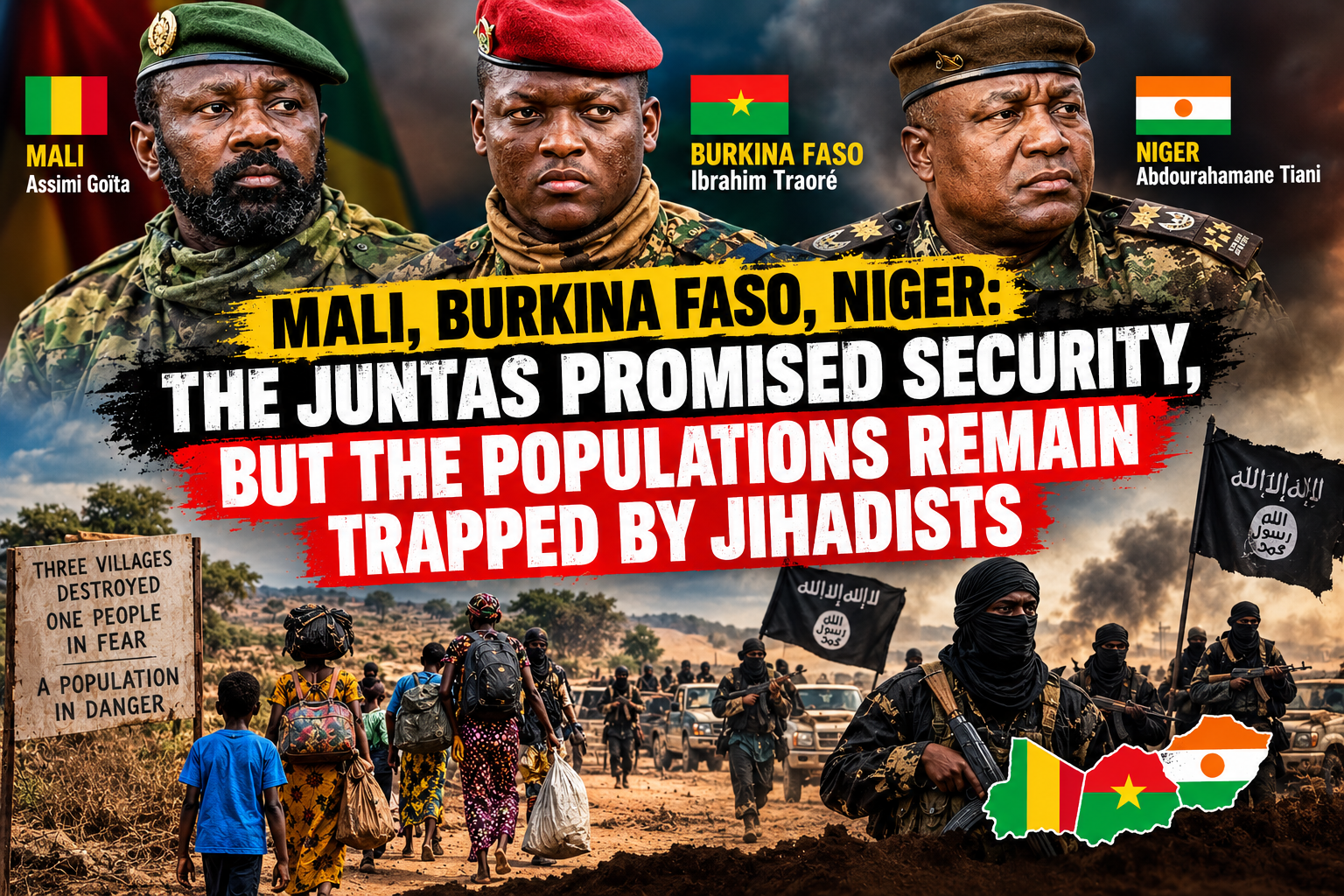
In the heart of Mali, entire communities are grappling with a harsh reality: survival under the tightening grip of Jnim blockades. These aren’t just road closures—they’re a calculated strategy to suffocate life in vulnerable regions. Markets lie paralyzed, fields are off-limits, and daily routines are upended by a web of restrictions that stretch far beyond mere military control.
The impact is most severe in towns like Marébougou, Saye, and Kori-Maoundé, where families are caught between the crushing weight of hunger and the desperate need to adapt. Residents aren’t just facing food shortages; they’re navigating a maze of social and religious mandates enforced by the armed group, all while trying to keep their lives—and their dignity—intact.
Adaptation as a survival tactic
Surviving these blockades means more than just enduring hunger—it requires ingenuity. Some communities have turned to clandestine trade routes, risking everything to bring in essential supplies. Others rely on barter systems, exchanging goods when cash is scarce. Yet, even these strategies come with grave risks: discovery by enforcers can mean punishment, or worse, expulsion from the very land they call home.
The human cost of enforced norms
The blockade isn’t just about cutting off resources—it’s about reshaping society. Jnim imposes its version of order, dictating how people dress, pray, and interact. For many, compliance isn’t a choice but a grim necessity. Families walk a tightrope, balancing between resistance and submission, knowing that stepping out of line could mean losing access to food—or worse, their lives.
Negotiation: a fragile lifeline
In the face of such relentless pressure, some villagers have turned to negotiation as a last resort. Local leaders and elders engage in dialogue, seeking to ease the blockade’s grip or secure safe passage for critical supplies. These talks are fragile, often hinging on the goodwill of those enforcing the blockade. Success is never guaranteed, and the cost of failure is steep.
For now, the people of Mali’s besieged regions remain in limbo—caught between the fear of starvation and the hope of resilience. Their story is one of quiet defiance, a testament to the human spirit’s ability to endure even in the darkest of times.